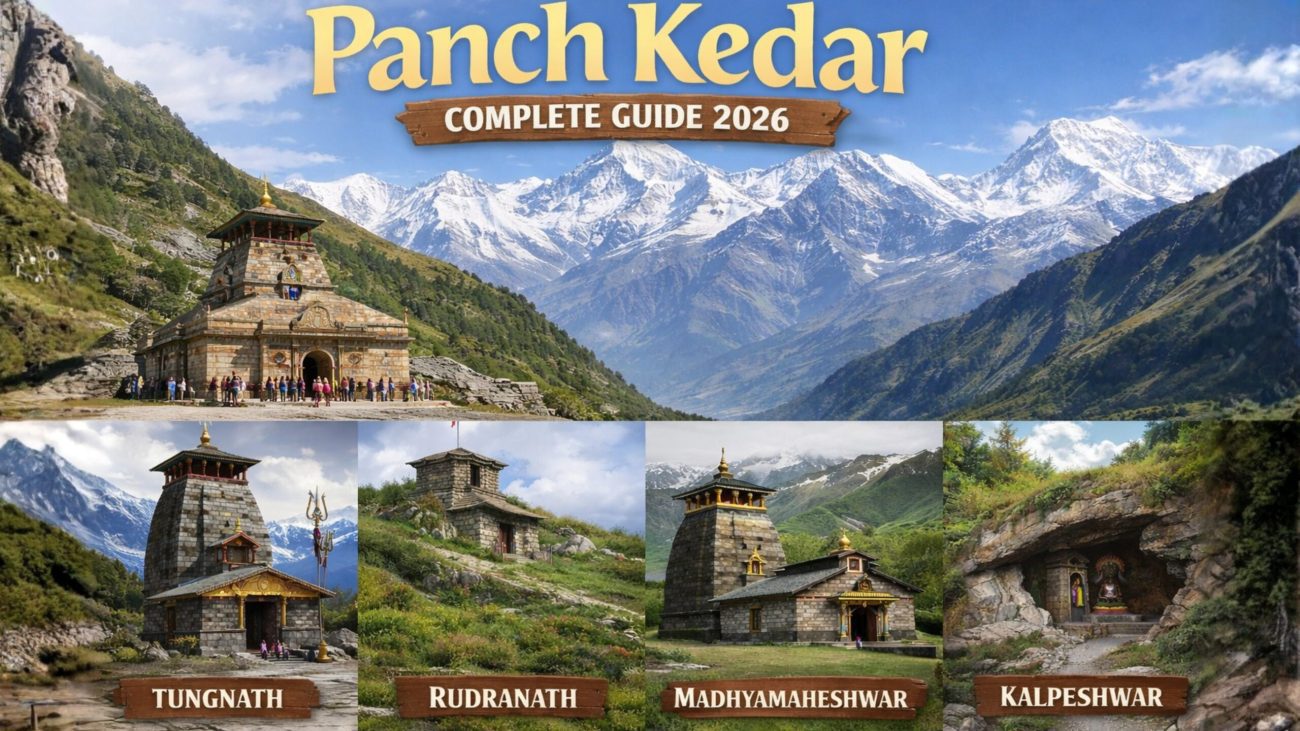
Panch Kedar Complete Guide 2026
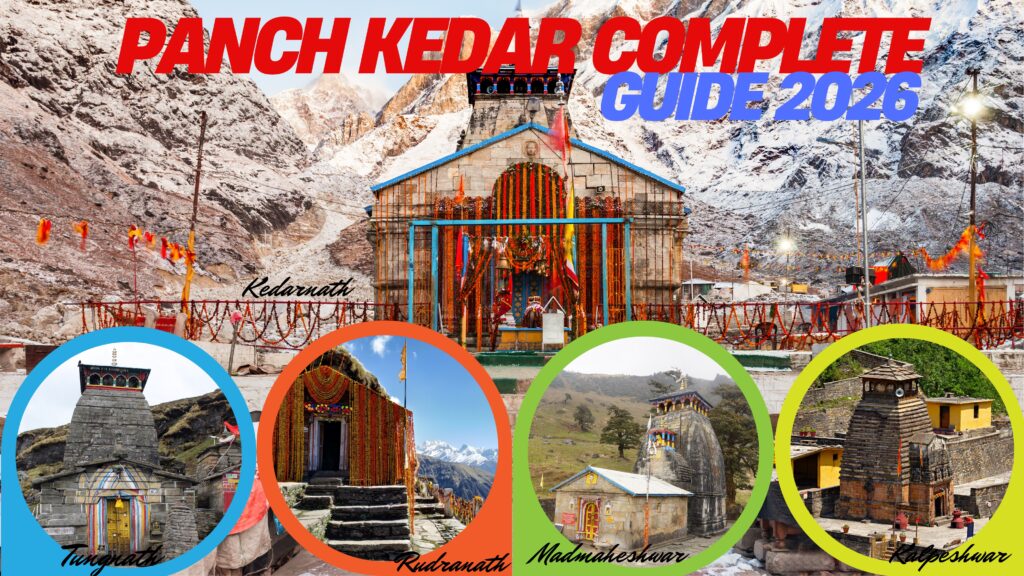
The moment you step onto the rugged trails of the Garhwal Himalayas, chasing the five sacred abodes of Lord Shiva, something shifts inside you. The air grows thinner, the pine forests give way to alpine meadows dotted with wildflowers, and every steep ascent feels like a personal offering to Mahadev.
Panch Kedar isn’t your regular pilgrimage. It’s a raw, powerful Shaivite circuit that takes you to five ancient temples where Lord Shiva is believed to have manifested in different parts of a bull’s body after the Pandavas sought forgiveness post-Mahabharata. From the majestic Kedarnath Jyotirlinga to the world’s highest Shiva temple at Tungnath, the remote Rudranath, the serene Madhyamaheshwar meadows, and the tranquil Kalpeshwar — this yatra tests your body, purifies your mind, and rewards your soul like few journeys can.
In this Panch Kedar Complete Guide 2026, I share everything from confirmed opening dates and trek difficulties to a practical 12-day itinerary designed for budget and mid-range Indian travelers. Whether you’re a first-time high-altitude pilgrim or a seasoned trekker seeking deeper devotion, this guide will help you plan a safe, meaningful, and unforgettable Do Dham-plus experience.
Har Har Mahadev! 🏔️🙏
Overview of Panch Kedar Yatra
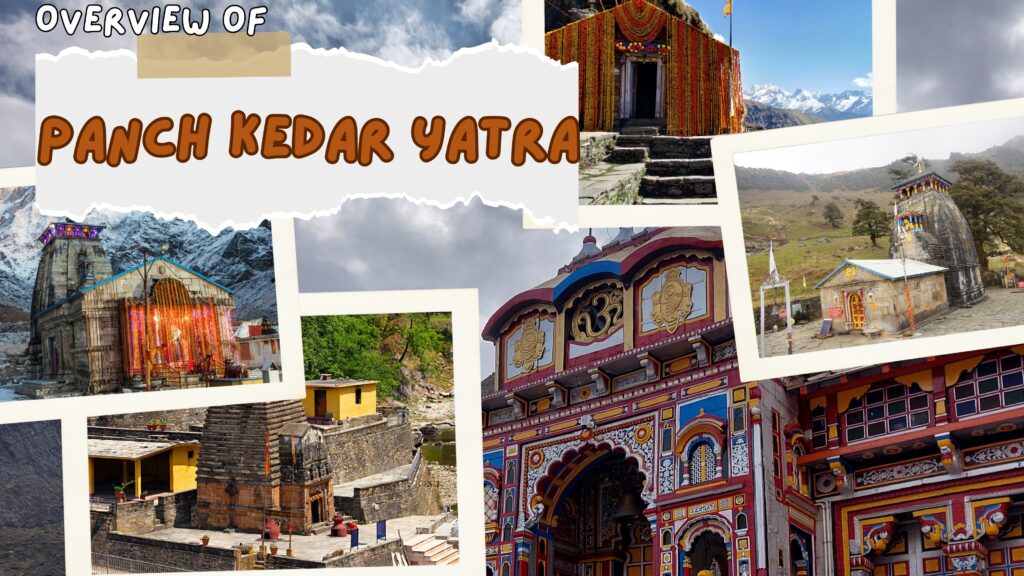
Panch Kedar consists of five ancient Shiva temples nestled in the Rudraprayag and Chamoli districts of Uttarakhand. Unlike the more road-accessible Char Dham, this yatra is heavily trek-oriented, offering a deeper connection with nature and divinity.
The five temples represent different parts of Lord Shiva:
- Kedarnath — Hump/Back (highest visitor footfall, one of 12 Jyotirlingas)
- Tungnath — Arms
- Rudranath — Face (most remote and challenging)
- Madhyamaheshwar (Madmaheshwar) — Navel/Belly
- Kalpeshwar — Hair (lowest altitude, open year-round)
Traditional Sequence: Kedarnath → Tungnath → Rudranath → Madhyamaheshwar → Kalpeshwar (some variations exist, but this follows the mythological order most closely).
Total trekking distance: Approximately 95–110 km spread over 10–12 trekking days. Overall duration: 12–16 days including travel. Altitude range: 2,200 m (Kalpeshwar) to 3,680 m (Tungnath).
This yatra suits spiritually inclined travelers with good fitness levels who want more than temple darshan — it’s about walking through rhododendron forests, bugyals (meadows), and glacial valleys while chanting “Har Har Mahadev.” If you confused about which dham i visit first from Badrinath vs Kedarnath than read our guide.
The Five Panch Kedar Temples: Legends, Highlights & Vibes
Kedarnath Temple – The Powerful Jyotirlinga
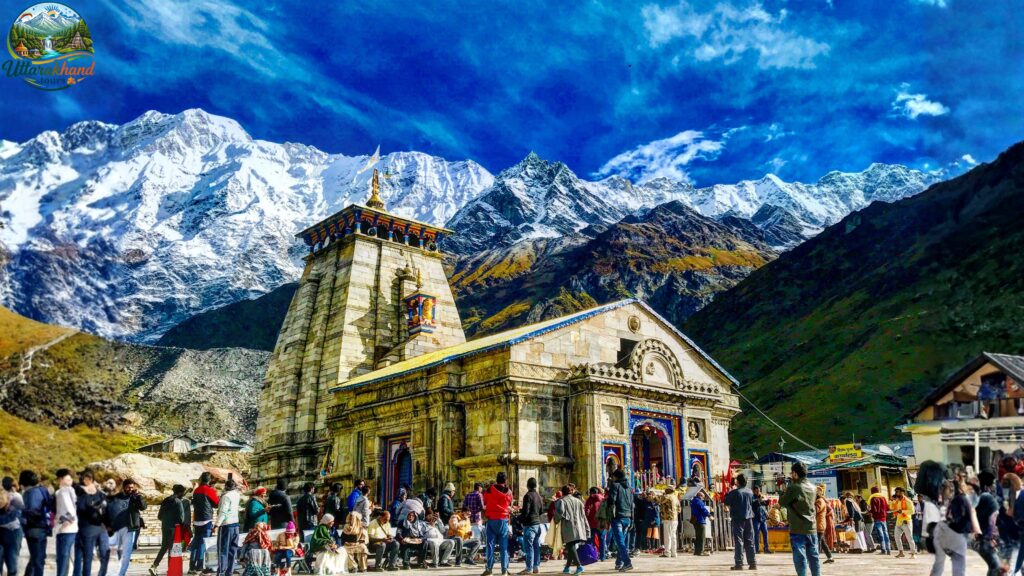
Standing at 3,583 meters amid towering snow peaks, Kedarnath is the star of the Panch Kedar circuit and one of the 12 Jyotirlingas. Legend says the Pandavas built this temple after the Mahabharata war to seek Lord Shiva’s forgiveness. The black stone structure feels ancient and mighty, with the roaring Mandakini River providing a constant, soothing background music.
Early morning, the first rays of sun paint the glaciers golden while temple bells echo sharply in the thin, cold air. The darshan here carries a raw, intense energy — many pilgrims describe feeling a deep sense of purification. The smell of incense mixes with fresh mountain mist, and the evening aarti under starry skies sends chills down your spine. This is where most yatris begin their journey, and the powerful presence of Baba Kedar sets the spiritual tone for the entire Panch Kedar Yatra. The surrounding glaciers and dramatic setting make you feel truly small yet deeply connected to the divine. (148 words)
Tungnath Temple – The Highest Shiva Temple in the World
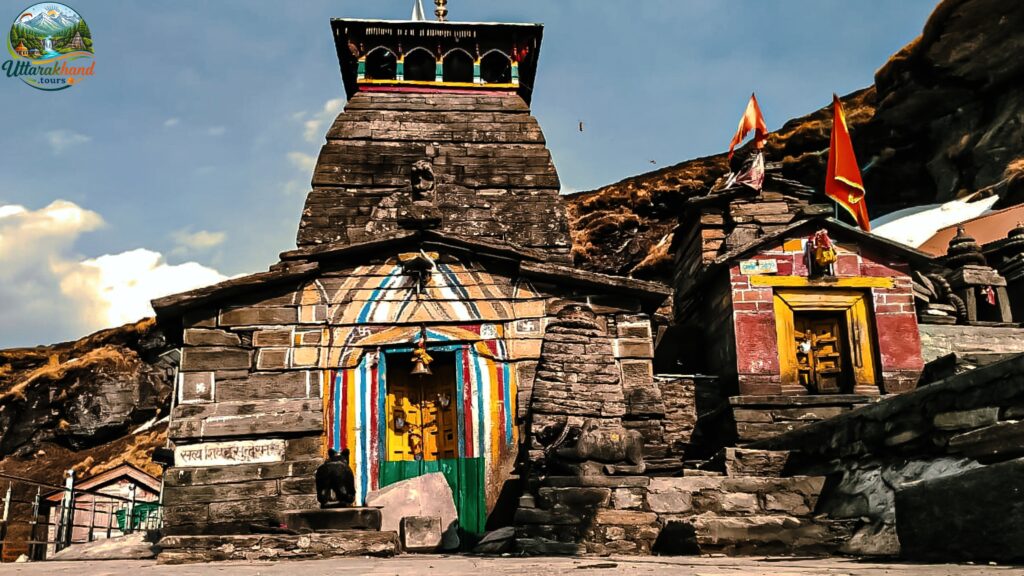
At a staggering 3,680 meters, Tungnath holds the title of the world’s highest Shiva temple. According to mythology, the arms of Lord Shiva appeared here when he took the form of a bull. The trek from Chopta winds through dense oak and rhododendron forests that burst with bright red flowers in May and June.
Reaching the temple feels incredibly rewarding. Panoramic views of Nanda Devi, Trishul, and Chaukhamba peaks stretch endlessly under vast blue skies. The crisp wind carries the sweet fragrance of wild herbs, and the silence is broken only by fluttering prayer flags and distant cowbells. The small but beautifully carved stone temple radiates calm yet uplifting energy. Many devotees continue to nearby Chandrashila peak for a magical sunrise. Tungnath strikes the perfect balance — challenging enough to feel meaningful, yet accessible enough for most fit pilgrims. (142 words)
Rudranath Temple – The Fierce and Remote Abode
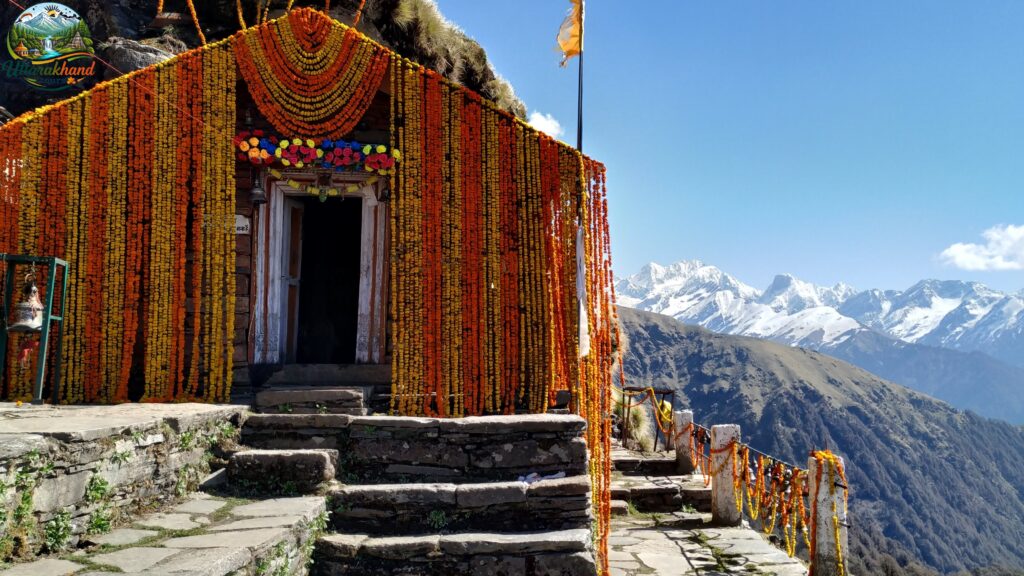
Rudranath, situated at around 3,559 meters, is the most challenging and secluded of the five Kedars. Legend tells that the face of Lord Shiva in his fierce Rudra form manifested here. The long, high-altitude trek takes you through vast alpine meadows (bugyals), rocky ridges, and misty passes where clouds drift close enough to touch.
Very few crowds reach this sacred spot, giving you rare moments of complete solitude. The thin air feels electric and purifying; the only sounds are your heavy breathing, the wind whistling past, and occasional marmot calls. The temple itself is modest yet immensely powerful, surrounded by dramatic Himalayan peaks. Standing here, many pilgrims report feeling a deep inner transformation. Rudranath tests your physical limits but rewards you with unmatched spiritual depth and raw natural beauty. It is often described as the soul of the entire Panch Kedar Yatra. (144 words)
Madhyamaheshwar Temple – The Serene Meadow Shrine
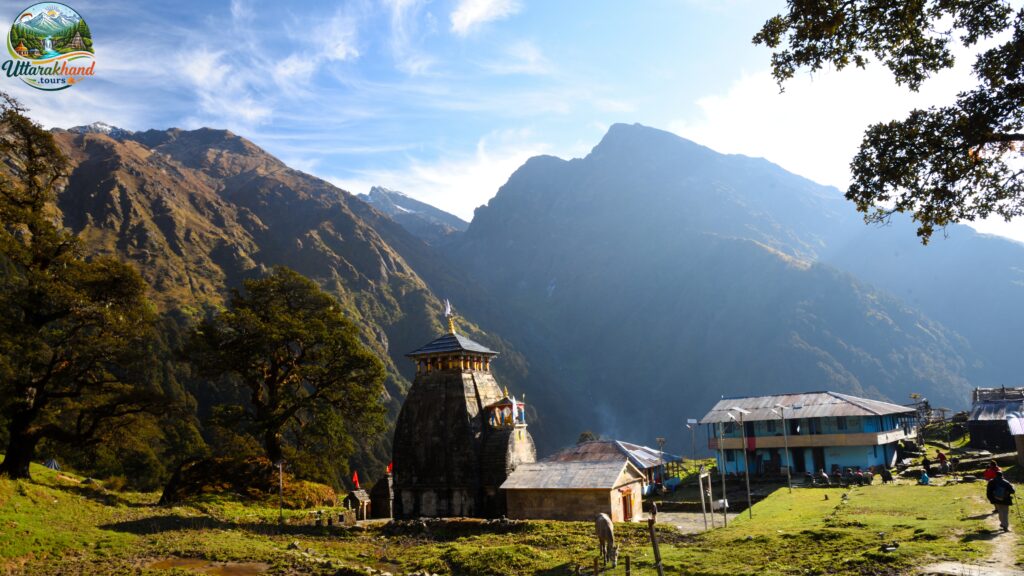
At 3,490 meters, Madhyamaheshwar (also called Madmaheshwar) sits peacefully in a wide high-altitude meadow surrounded by rolling green slopes and snow-dusted peaks. Mythology says the navel (belly) of Lord Shiva appeared here. The setting is markedly gentler and more meditative compared to the other Kedars.
The final stretch of the trek opens into a stunning bugyal carpeted with wildflowers in summer. You can smell the fresh mountain grass and hear the soft tinkle of sheep bells in the distance. The ancient stone temple feels calm and welcoming, inviting quiet reflection. Many yatris sit for hours near the temple, soaking in the tranquility and breathtaking views of the Chaukhamba range. The entire experience at Madhyamaheshwar feels like a soothing balm after the tougher stretches of the yatra — a place where devotion flows naturally and the mind finds real peace. (138 words)
Kalpeshwar Temple – The Tranquil Forest Abode
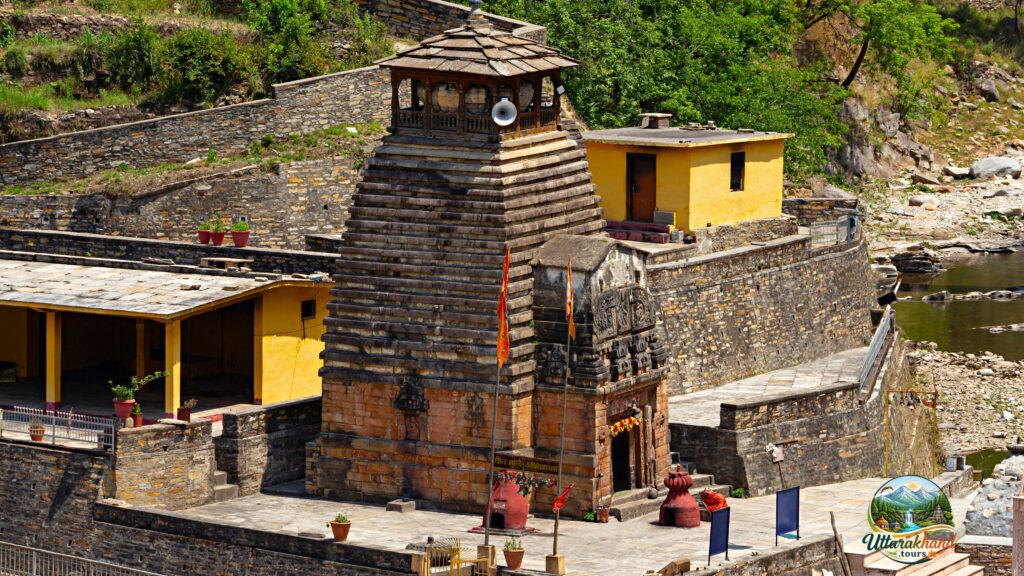
Located at the lowest altitude of 2,200 meters near the Kalpganga River, Kalpeshwar is the gentlest and most accessible of the five Kedars. It is famous for housing the matted hair (jata) of Lord Shiva. Surrounded by dense, fragrant deodar and pine forests, the temple offers a soothing contrast to the high-altitude austerity of the other shrines.
The short trek winds through cool, shaded woodland where sunlight filters through tall trees, creating beautiful patterns on the forest floor. You can hear the constant gentle flow of the river and smell the fresh resin of deodar. The temple complex feels intimate and peaceful, with fewer crowds and a warm, devotional atmosphere. Many pilgrims describe their darshan here as deeply emotional — a perfect, calming conclusion to the physically demanding Panch Kedar circuit. Because it remains open year-round, it also serves as a beautiful starting or ending point. (140 words)
Suggested 12-Day Panch Kedar Itinerary 2026 (Practical & Balanced)
This itinerary is designed for mid-range Indian travelers with decent fitness. It includes proper acclimatization, rest days, and logical flow while following the traditional sequence as closely as possible.
| Day | Route & Highlights | Trek / Drive | Stay Location | Difficulty |
|---|---|---|---|---|
| 1 | Haridwar/Rishikesh → Guptkashi / Sonprayag | Full day drive | Guptkashi | Easy |
| 2 | Gaurikund → Kedarnath Temple Darshan + Exploration | 16–18 km trek | Kedarnath (basic guesthouse) | Moderate |
| 3 | Kedarnath → Gaurikund → Chopta (via road) | Descent + drive | Chopta | Moderate |
| 4 | Chopta → Tungnath Darshan + Chandrashila (optional) | 6–8 km round trip | Chopta | Moderate |
| 5 | Chopta → Sari Village → Gaundhar (Madmaheshwar base) | Drive + short trek | Gaundhar | Easy-Moderate |
| 6 | Gaundhar → Madhyamaheshwar Temple Darshan | 8–10 km trek | Gaundhar / Madmaheshwar | Moderate |
| 7 | Madmaheshwar → Gaundhar → Drive to Mandal / Sagar | Descent + drive | Mandal / Sagar | Moderate |
| 8 | Mandal → Anusuya / Rudranath base camp | Drive + trek start | Base camp / Tent | Moderate |
| 9 | Trek to Rudranath Temple Darshan | 12–14 km trek | Rudranath / Base camp | Difficult |
| 10 | Rudranath → Descent to base + Drive toward Urgam | Long descent + drive | Urgam / Helang | Difficult |
| 11 | Urgam → Kalpeshwar Temple Darshan + Exploration | 4–6 km round trip | Urgam / Helang | Easy |
| 12 | Urgam / Helang → Rishikesh / Haridwar | Full day drive | Home | Easy |
Notes:
- Total estimated cost per person (mid-range, sharing cab & rooms): ₹32,000 – ₹48,000 (2026 prices).
- Add ₹8,000–12,000 if using helicopter for Kedarnath.
- Buffer 1–2 extra days for weather or fatigue, especially around Rudranath.
- Always carry rain gear, warm layers, and sufficient cash.
How to Reach Panch Kedar
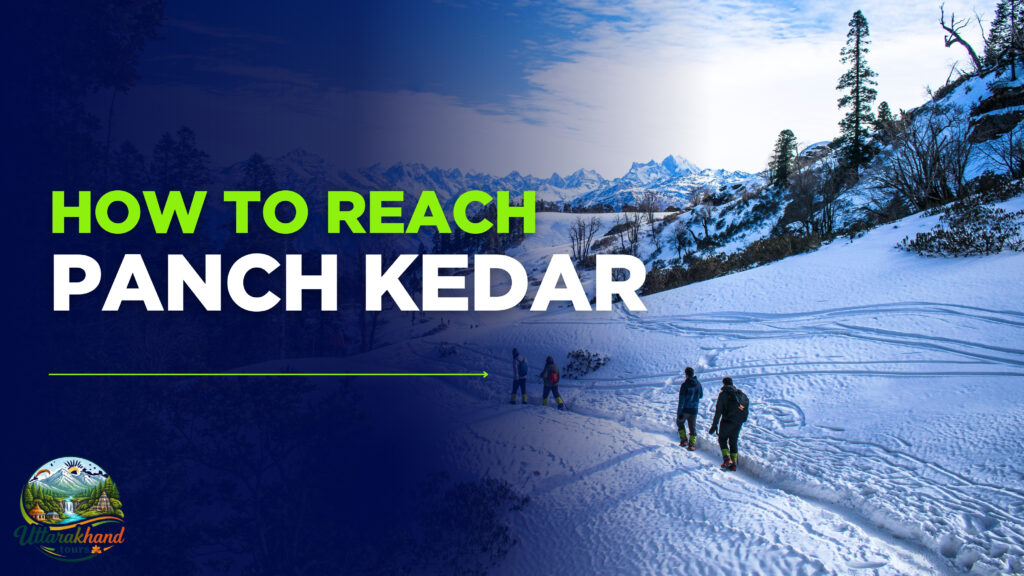
Reaching the starting point of the Panch Kedar Yatra is fairly straightforward, but the real journey begins once you leave the plains. Most travelers fly into Dehradun’s Jolly Grant Airport or take a train to Haridwar or Rishikesh. From there, it’s a long but scenic drive through the Garhwal Himalayas.
The common route is Haridwar/Rishikesh → Devprayag → Rudraprayag → Guptkashi/Sonprayag (base for Kedarnath). Shared taxis, GMOU buses, and private cabs run daily. The road is winding with beautiful views of the Alaknanda and Mandakini rivers, but expect 10–12 hours of travel with breaks for tea and parathas.
For the later temples, you’ll move between Chopta (for Tungnath), Sari/Gaundhar (for Madhyamaheshwar), Mandal/Anusuya (for Rudranath), and Urgam/Helang (for Kalpeshwar). Public transport is limited after Guptkashi, so hiring a private cab for the entire circuit is the most comfortable and time-saving option for mid-range travelers. Total road distance for the full circuit is roughly 450–500 km excluding treks. Always check road conditions, especially during early or late season, as landslides are common after rains.
Where to Stay: Budget to Mid-Range Options

Accommodation along the Panch Kedar route is basic compared to mainstream Char Dham, but you’ll find clean and honest stays that suit pilgrims perfectly.
Budget (₹800 – ₹2,000 per night):
GMVN Tourist Rest Houses and simple guesthouses are reliable choices. In Guptkashi and Sonprayag, look for Bharat Sevashram Sangha or Kedar Ghati Camp — clean rooms, hot water (timed), and sattvic meals. At Chopta, forest rest houses and basic lodges offer cozy wooden rooms with mountain views. Near Rudranath and Madhyamaheshwar, you’ll mostly stay in tented camps or local homestays with basic facilities.
Mid-Range (₹2,200 – ₹5,500 per night):
Hotel Mandakini in Guptkashi, Hotel Himalaya in Chopta, and Kedar Valley Resort near Sonprayag provide better comfort — attached bathrooms, room heaters in colder months, decent Wi-Fi, and helpful staff who understand yatra fatigue. In Urgam/Helang for Kalpeshwar, mid-range guesthouses offer peaceful forest views.
Book at least 2–3 months in advance for May–June and September–October. Many places offer package deals including meals. For Rudranath, expect tented accommodation with sleeping bags and basic toilets — part of the adventure!
Local Food & Culture
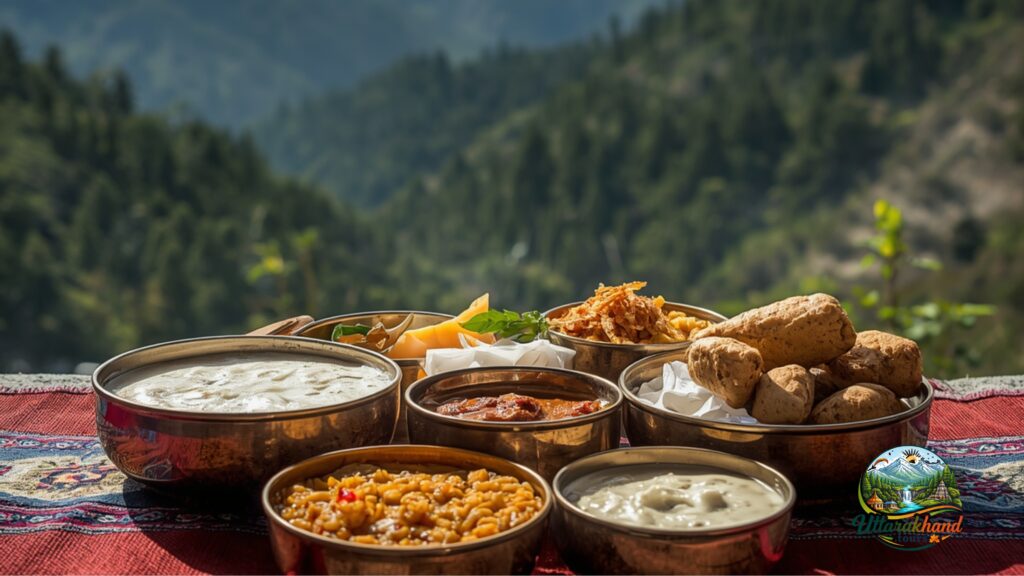
Garhwali food is simple, nutritious, and deeply comforting after long trekking days. Made with local ingredients like buckwheat, finger millet (mandua), red rice, and seasonal greens, the meals are sattvic and full of warmth.
Must-try dishes:
- Chainsoo — Thick black gram dal tempered with garlic and cumin that warms you from within.
- Kafuli — A hearty spinach and fenugreek curry cooked in mustard oil.
- Phaanu — Tangy lentil gravy with yogurt, best paired with mandua roti.
- Jhangore ki Kheer — Sweet pudding made from local red rice, often offered as prasad.
In base towns like Guptkashi and Chopta, you’ll find small dhabas serving hot parathas, maggi, and chai. Higher up, temple committees and camps serve simple thalis — rice, dal, sabzi, and roti — without onion or garlic.
The culture here is pure devotion. Locals greet you with “Har Har Mahadev” and “Jai Kedar”. Women wear vibrant woollen shawls and heavy silver jewelry. Evenings often fill with soft bhajans and stories of Shiva and the Pandavas. The people live simply, respecting the mountains and treating every pilgrim like family. This deep faith and humility is what makes the Panch Kedar Yatra feel truly special.
Travel Tips for Panch Kedar Yatra 2026

- Fitness & Acclimatization: Start training 6–8 weeks before with uphill walks and stairs. Spend at least one night in Guptkashi or Chopta to acclimatize before higher altitudes.
- Health Essentials: Carry Diamox (after doctor consultation), hydration salts, motion sickness medicine, and a basic first-aid kit. Watch for headache, nausea, or breathlessness.
- Clothing & Gear: Pack layers — thermals, fleece, waterproof jacket, good trekking shoes with grip, woollen socks, gloves, and a rain cover. A sturdy walking stick or trekking pole is very useful.
- Registration & Permits: Online registration is mandatory via registrationandtouristcare.uk.gov.in. Keep your ID ready.
- Cash & Connectivity: ATMs are scarce beyond Rudraprayag — carry enough cash. Mobile signal (especially Jio and Airtel) is patchy; download offline maps.
- Eco-Friendly Practices: Use biodegradable offerings, avoid plastic, and don’t litter the sacred rivers or meadows.
- Best Advice: Keep your itinerary flexible. Weather in the Himalayas can change suddenly — respect the mountains and don’t rush.
These practical tips will help you enjoy a smoother and safer Panch Kedar journey.
Best Time to Visit Panch Kedar in 2026: Seasonal Insights

Timing your Panch Kedar Yatra can make or break the experience. The Himalayas are beautiful but unforgiving — one wrong month and you’ll face landslides, slippery trails, or biting cold.
May to June (Peak Summer Season) This is my top recommendation for most first-timers and families. Days are pleasant (10–20°C during the day), nights are chilly but manageable with layers. Rhododendron forests burst into bright red and pink blooms, meadows turn lush green, and mountain views are crystal clear. Kedarnath opens on 22 April 2026, Tungnath on 2 May, Rudranath on 18 May, and Madhyamaheshwar on 21 May 2026. You’ll get good weather for trekking, though expect moderate crowds in June.
September to October (Post-Monsoon Season) My personal favorite for a peaceful yatra. After the rains, the skies turn a deep blue, the air feels crisp and fresh, and the landscapes glow with golden autumn hues. Crowds thin out significantly, queues at temples are shorter, and the spiritual atmosphere feels more intimate. Temperatures range from 5–18°C. This window is ideal if you want solitude and stunning photography.
July–August (Monsoon): Strongly avoid. Heavy rainfall triggers frequent landslides, trails become dangerously slippery, and many higher camps face logistical issues. Visibility drops and the risk of altitude-related problems increases.
November onwards: Most temples close by mid-November (Kedarnath tentatively on 11 November 2026). Only Kalpeshwar remains open year-round.
Pro Tip: Book your cab, stays, and ponies by March 2026. Early May or late September often gives the best balance of weather, fewer crowds, and open temples.
Trek Difficulty Comparison Table (Panch Kedar Complete Guide 2026)
| Temple | Altitude | Trek Distance (one way) | Difficulty Level | Key Challenges | Best For | Support Options |
|---|---|---|---|---|---|---|
| Kedarnath | 3,583 m | 16–18 km | Moderate | Long ascent, high altitude, crowd on peak days | First-timers & families | Pony, Palanquin, Helicopter |
| Tungnath | 3,680 m | 3–4 km | Easy to Moderate | Short steep climb, cold wind | Almost all fitness levels | Walking stick recommended |
| Rudranath | 3,559 m | 12–14 km | Difficult | Long remote trek, high passes, fatigue | Experienced trekkers | Limited pony support |
| Madhyamaheshwar | 3,490 m | 8–10 km | Moderate | Steady climb through meadows | Scenic lovers & moderate fitness | Pony available |
| Kalpeshwar | 2,200 m | 4–6 km | Easy | Gentle forest trail, lowest altitude | Seniors & beginners | Easy walking access |
Note from Panch Kedar Complete Guide 2026: Rudranath is the most demanding section in this Panch Kedar Complete Guide 2026. Proper acclimatization and 6–8 weeks of prior training are highly recommended before attempting the full circuit. This table will help you understand your fitness requirements clearly while planning your Panch Kedar Complete Guide 2026 journey.
Estimated Cost Breakdown Table (Panch Kedar Complete Guide 2026)
| Category | Budget Option (₹) | Mid-Range Option (₹) | Luxury Option (₹) | Notes |
|---|---|---|---|---|
| Transportation (Full circuit) | 8,000 – 10,000 | 12,000 – 15,000 | 18,000 – 22,000 | Private cab recommended |
| Accommodation (11–12 nights) | 6,000 – 9,000 | 12,000 – 18,000 | 25,000+ | GMVN to comfortable camps |
| Meals | 4,000 – 5,500 | 6,000 – 8,000 | 10,000+ | Sattvic Garhwali food |
| Pony / Porter | 3,000 – 5,000 | 5,000 – 7,000 | 8,000+ | Useful for Kedarnath & Rudranath |
| Kedarnath Helicopter (optional) | – | 8,000 – 12,000 | 12,000 – 15,000 | Highly recommended for comfort |
| Miscellaneous | 2,000 – 3,000 | 3,000 – 4,000 | 4,000 – 5,000 | Registration, medicines, gear |
| Total Cost | ₹23,000 – 32,500 | ₹32,000 – 48,000 | ₹55,000+ | Per person on twin sharing |
Note from Panch Kedar Complete Guide 2026: The above costs are realistic estimates for 2026. Mid-range travelers usually spend between ₹32,000 – ₹48,000 per person when following this Panch Kedar Complete Guide 2026.
FAQs About Panch Kedar Complete Guide 2026
1. What is the best time for Panch Kedar Yatra in 2026?
2. What are the Panch Kedar opening dates for 2026 according to this Panch Kedar Complete Guide 2026?
-Tungnath: 2 May 2026
-Rudranath: 18 May 2026
-Madhyamaheshwar: 21 May 2026
-Kalpeshwar: Open throughout the year
3. How difficult is the Panch Kedar trek as explained in the Panch Kedar Complete Guide 2026?
4. How many days are needed to complete the Panch Kedar Yatra?
5. What is the approximate cost for Panch Kedar Yatra 2026?
6. Is Panch Kedar suitable for families or seniors?
7. Do I need to register for Panch Kedar Yatra?
8. Can I customize the Panch Kedar Complete Guide 2026 itinerary?
Conclusion: Your Divine Panch Kedar Journey Awaits
Completing the Panch Kedar Yatra is unlike any other pilgrimage. It’s not just about visiting five temples — it’s about walking through some of the most pristine Himalayan landscapes, pushing your limits, and surrendering to Lord Shiva in his many forms. From the powerful roar of the Mandakini at Kedarnath to the peaceful silence at Rudranath, from blooming meadows at Madhyamaheshwar to the soothing deodar forests of Kalpeshwar — every step leaves a lasting imprint on your soul.
The journey will test your body with steep climbs and thin air, but it will reward your spirit with unmatched peace and clarity. Whether you seek intense devotion or a profound connection with nature, Panch Kedar delivers both in abundance.
If you’ve been thinking about this yatra for years, 2026 is a great time to go. The temples open early, the trails are calling, and the mountains are ready to welcome you.
Ready to plan your PanchKedar adventure? Share your preferred month or fitness level in the comments below and follow uttarakhand.tours for more information.
Pack light, train well, respect the mountains, and let Mahadev guide your path.
Har Har Mahadev! 🔱🏔️🙏
