
Forget Skiing — These 10 Auli in Summer Experiences Will Blow Your Mind
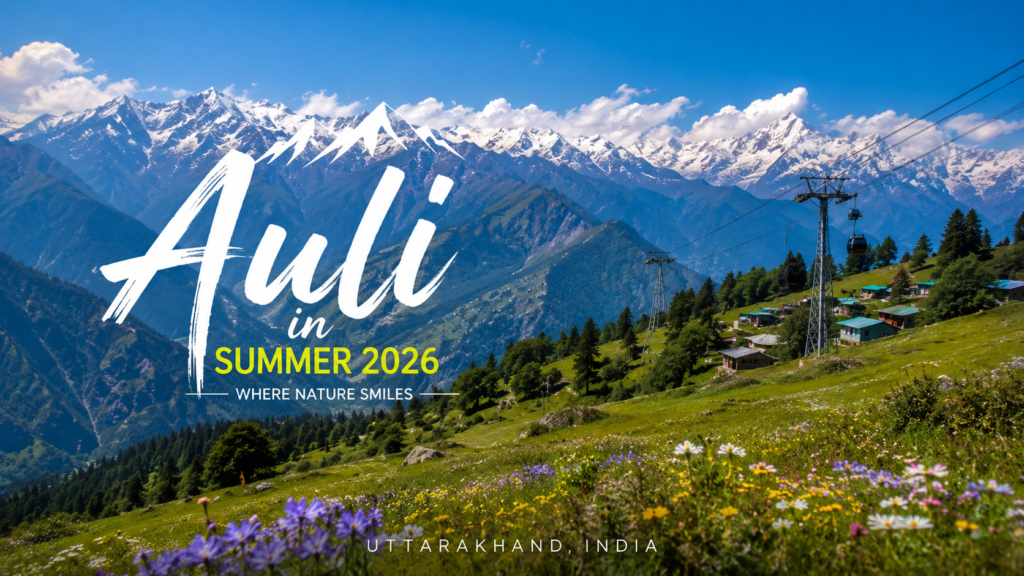
You probably know Auli as India’s skiing capital. Snow-covered slopes, ski rentals, that famous Asia-defining ropeway. Fair enough. But here’s a confession — after visiting Auli four times across different seasons, I genuinely think Auli in summer is the most underrated Himalayan experience in India.
I first came here in January 2022 for skiing. Loved it. Came back in May 2023 expecting an off-season ghost town. What I found instead changed how I see this place forever — endless green meadows, blooming rhododendrons, sharp Nanda Devi views without the winter haze, and barely 20% of the tourist crowd.
If you’re planning Auli in summer 2026, this guide spills everything I’ve learned across multiple visits. The real costs, the trekking secrets, the homestay owners worth knowing, and yes — my honest controversial takes on what’s actually worth your time.
Let’s get into it.
Why You Should Choose Auli in Summer Over Winter
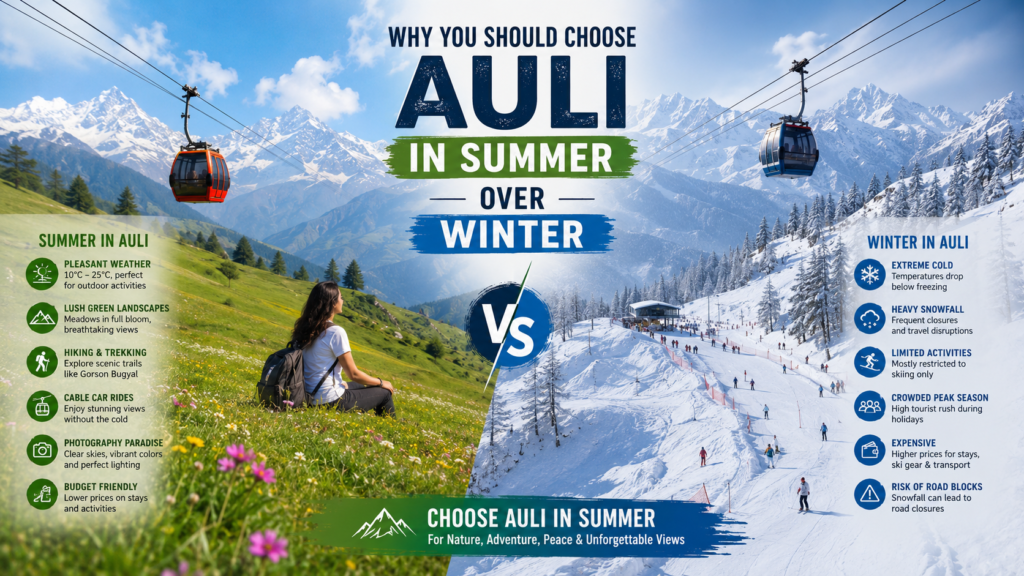
Look, I’m not saying winter Auli is bad. It’s spectacular. But here’s what nobody tells you about visiting Auli in summer instead.
The views are sharper. Winter brings snow but also haze and fog. Summer mornings (especially April and early May) deliver crystal-clear panoramas of Nanda Devi, Kamet, Mana Parvat, and Dunagiri. I personally think you can’t appreciate Nanda Devi properly until you’ve seen her against a deep blue summer sky.
You actually get to walk. In winter, half the trails are blocked by snow. In summer, the bugyals (high-altitude meadows) explode with wildflowers. You can trek to Gorson, Kuari Pass base, even Chenab Lake without ankle-deep snow drama.
It’s cheaper. Much cheaper. Hotels drop rates by 40–60% between April and June. The same room that costs ₹8,000 in December? You’ll grab it for ₹3,500 in May.
The crowd is sane. Winter Auli on a December weekend feels like Connaught Place with snow. Summer? You’ll have entire ridgelines to yourself.
Joshimath feels alive again. After the 2023 land subsidence concerns, Joshimath has been rebuilding steadily. Summer 2026 sees most stretches open, with Uttarakhand Tourism actively promoting the Auli-Joshimath circuit again.
If you want a broader Himalayan escape comparison, our Tungnath & Chopta trekking guide covers another stunning summer alternative.
Best Time to Visit Auli in Summer 2026
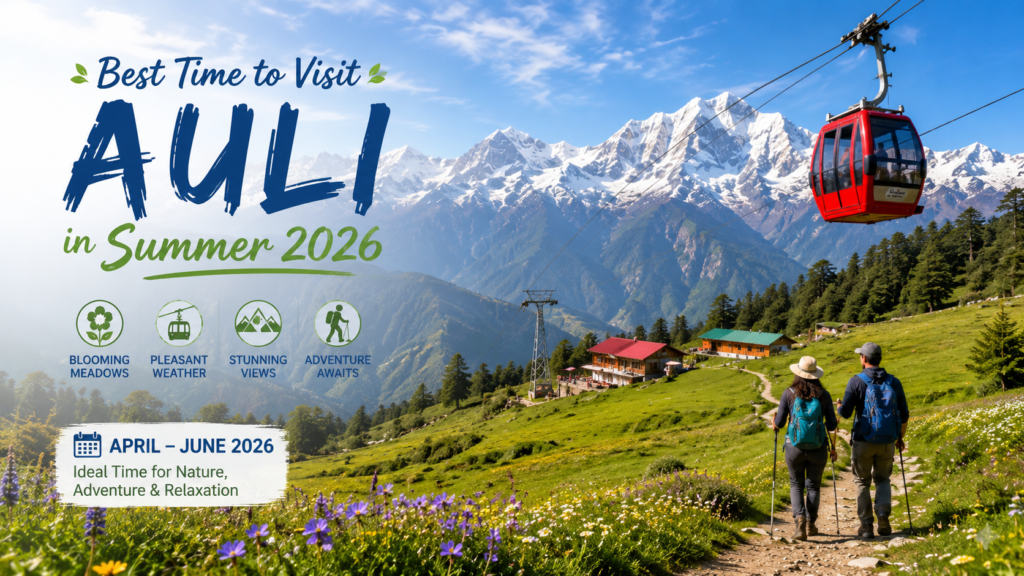
You’ve got a window from late March to late June. Each month has its own personality.
March (late): Spring kicks in. Some snow patches still cling to higher slopes. Rhododendrons start blooming around Joshimath. Cold mornings, pleasant afternoons (8–18°C).
April: My personal favourite month. Wildflowers begin painting the bugyals. Skies are sharp. Temperatures sit between 10–20°C. Less crowded than May.
May: Peak summer rush, but for good reason. Warm days (15–25°C), every trail accessible, all hotels open. Book in advance — long weekends here get busy.
June (first half): Still gorgeous, but you’ll feel monsoon’s edge by the third week. After June 20, expect occasional showers and possible road delays on the Rishikesh-Joshimath stretch.
Avoid late June onwards. Monsoon hits hard in Garhwal. Landslides. Closed roads. You don’t want this trip during peak monsoon.
10 Best Things to Do in Auli in Summer (Beyond Skiing)
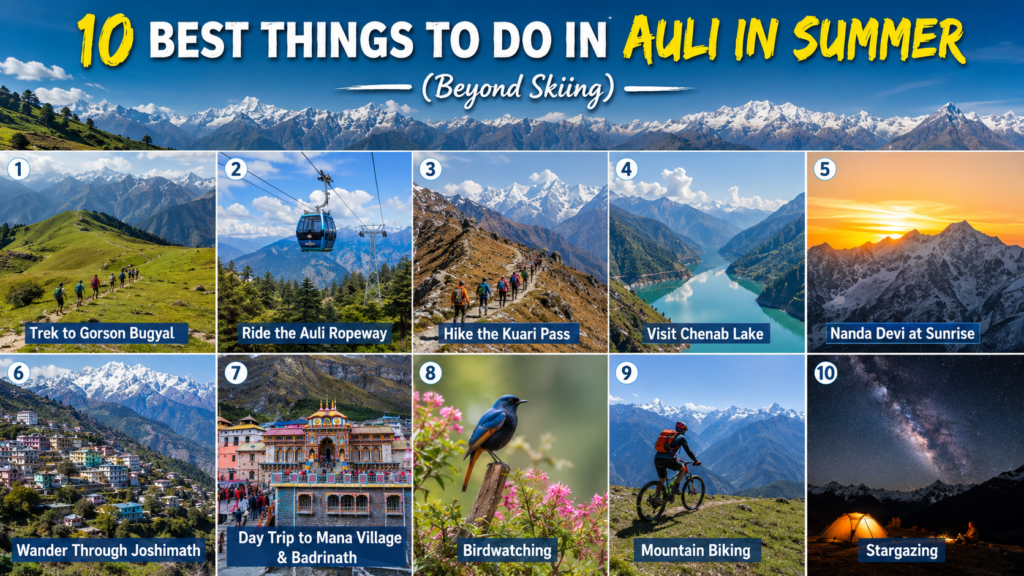
1. Trek to Gorson Bugyal — The Green Carpet
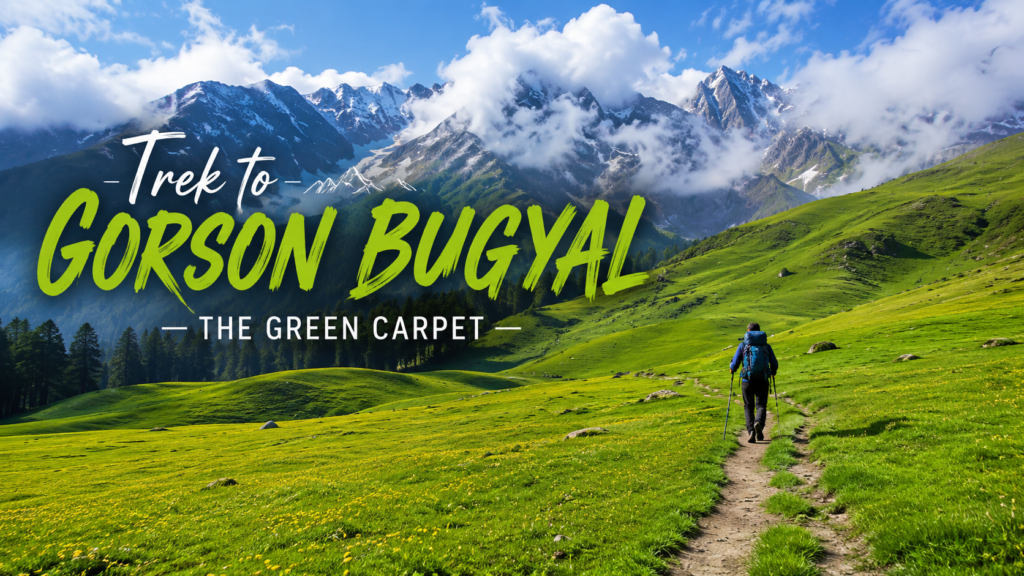
If you do only one thing in Auli in summer, make it this. Gorson Bugyal sits at around 3,056 metres and is roughly a 3 km uphill walk from the upper Auli ropeway station.
The trek takes you through dense oak and conifer forests before opening into a vast meadow. In May–June, wildflowers carpet the entire slope. The view of Nanda Devi from here? Unreal. I’ve watched grown men go quiet at the ridge.
Difficulty: Easy to moderate Time needed: 4–5 hours round trip Best time: Start by 7 AM to avoid afternoon clouds My tip: Carry a packed lunch from Joshimath. The lone tea stall up there charges Mumbai prices.
2. Ride the Auli Ropeway With Clear Visibility
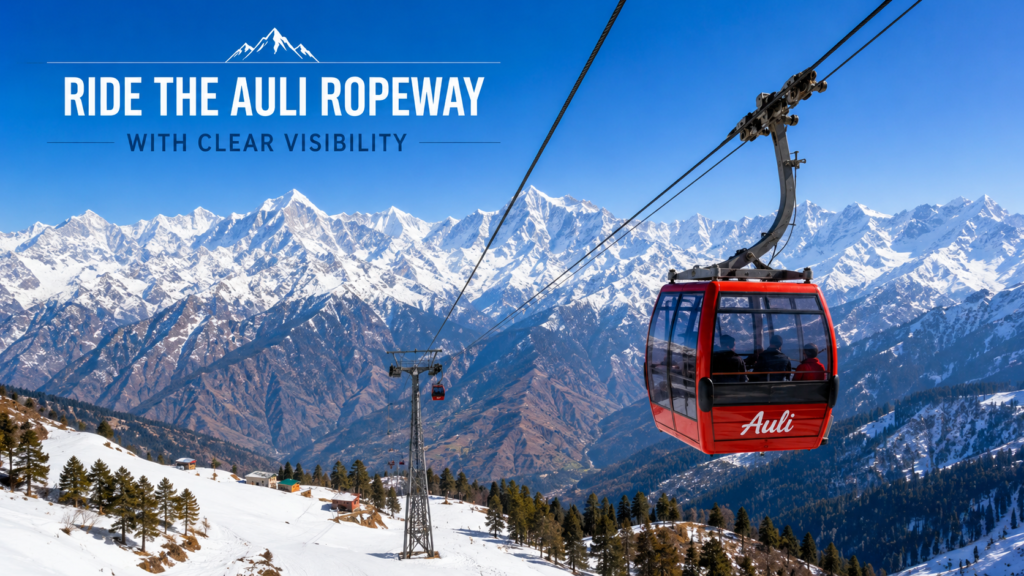
The Auli Ropeway is the highest and longest in Asia after Gulmarg, covering 4 km from Joshimath to Auli. In winter, you often glide through fog. In summer, you get unobstructed 360-degree views of the entire valley below.
Timings (summer 2026): Usually 10 AM to 4 PM, weather depending Cost: Around ₹1,000–₹1,200 round trip per person Pro tip: Take it up, walk down. The descent walk through forests is magical and saves ₹500.
3. Hike the Kuari Pass Trek Base
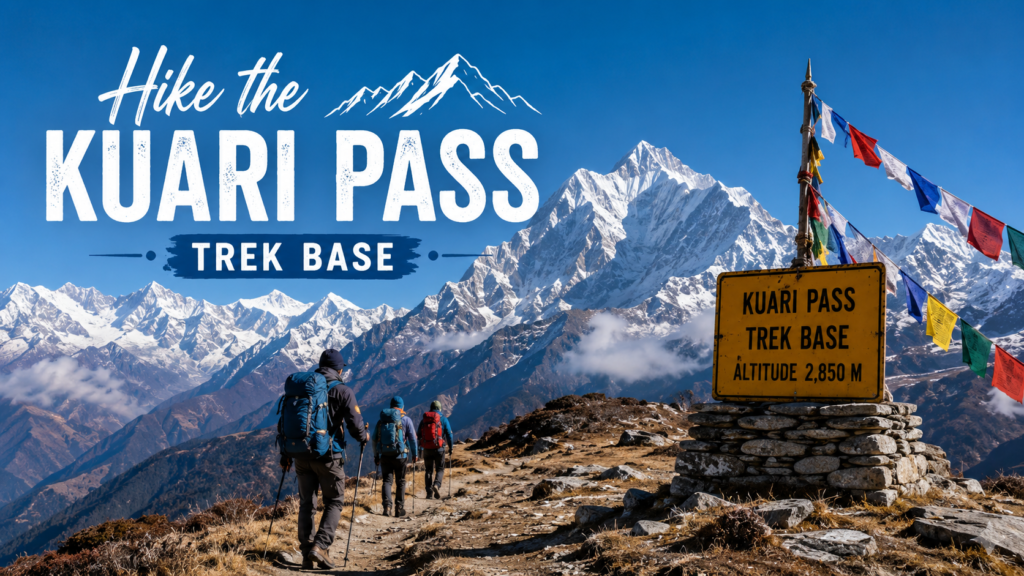
Kuari Pass is a serious multi-day trek, but you can do a beautiful day hike from Auli toward its lower sections. In summer, this stretch becomes a blooming garden of wildflowers and rhododendrons.
You don’t need to summit Kuari Pass. Even a 4–5 hour walk toward Tali Top or Khulara gives you that “Lord Curzon Trail” experience without committing to the full expedition.
For trek inspiration in similar terrain, check our Harsil Valley Trek Guide — another underrated Garhwal walk.
4. Visit Chenab Lake — The Hidden Alpine Pool
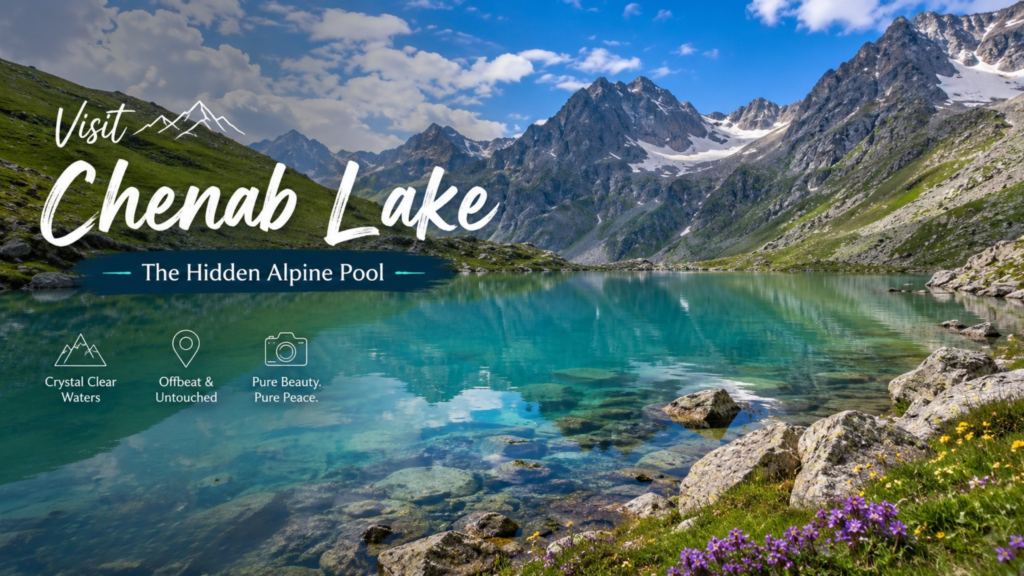
Chenab Lake is one of those places that doesn’t show up in most Auli itineraries. It’s a small crystal-clear lake near Joshimath, surrounded by absolute wilderness. The trail is rough — almost no signage — but that’s the charm.
You’ll need a local guide from Joshimath (₹1,500–₹2,000 for the day). Trust me on this. The views and the silence are worth every rupee.
5. Soak In Nanda Devi at Sunrise
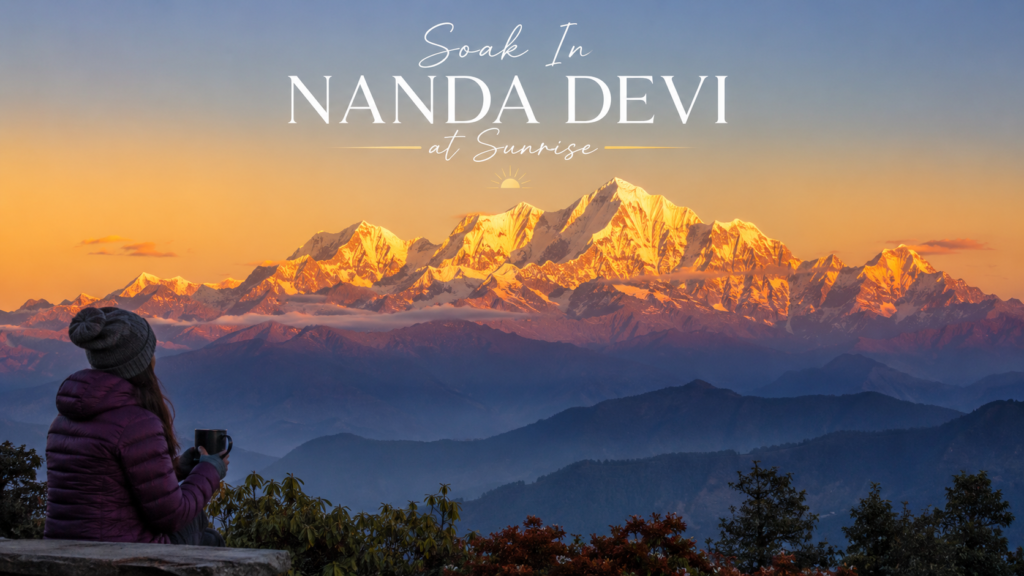
Auli sits at one of the best vantage points in India for viewing Nanda Devi (7,816m), India’s second-highest peak. Summer sunrises here are something else — pink alpenglow on the snow-capped peaks while the meadows still hold morning mist.
Best viewing spots:
- Chair lift top station (around 5:45 AM start)
- Cliff Top Resort balconies (if you’re staying there)
- Gorson Bugyal trail (early start required)
I once skipped breakfast in May 2024 just to catch this. Zero regrets.
6. Wander Through Joshimath’s Sacred Lanes
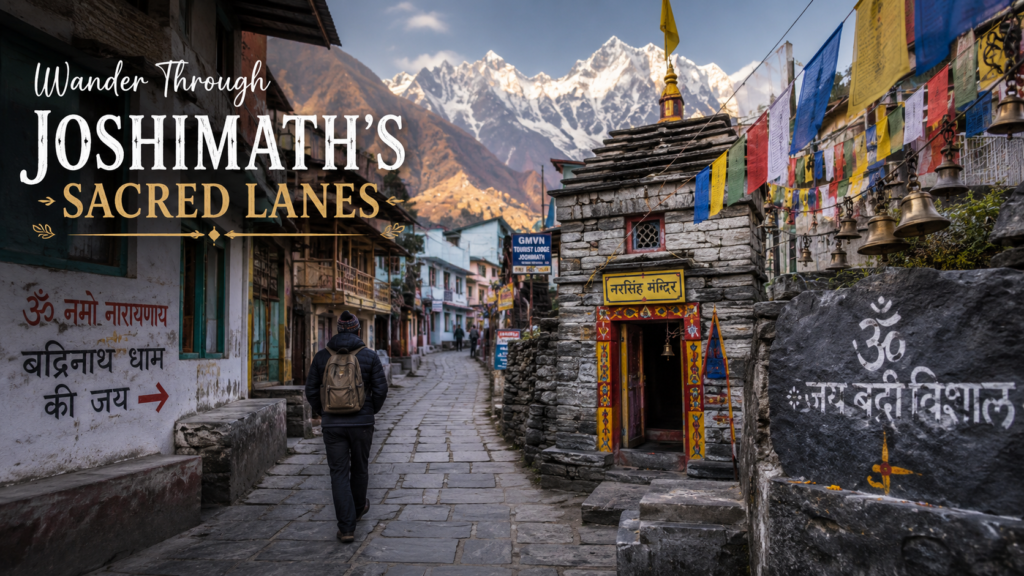
Joshimath is more than a base camp. It’s one of the four mathas established by Adi Shankaracharya in the 8th century. The Narsingh Temple (where the deity is said to be slowly tilting), the ancient Kalpa Vriksha tree, and the Shankaracharya cave are all walkable.
Where to walk: Old market area, Narsingh Temple complex, Tapovan hot springs (8 km away)
This is the kind of cultural depth winter tourists rush through. In summer, you have time to actually absorb it.
7. Day Trip to Mana Village & Badrinath
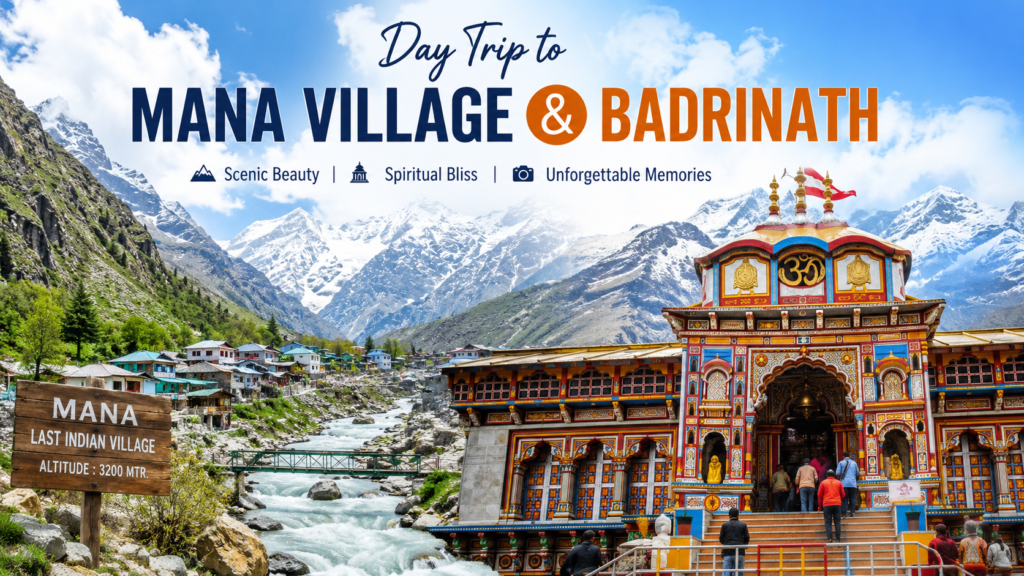
Mana is officially India’s first village near the Tibet border (about 50 km from Auli). The drive itself is stunning — through Vishnuprayag, Govindghat, and Pandukeshwar.
Badrinath Temple is open from late April to early November. If your Auli in summer trip aligns with the Char Dham yatra season, this is a once-a-trip pilgrimage opportunity.
Distance: 45 km from Joshimath (3 hours one way) Tip: Start by 5 AM to beat pilgrim traffic.
8. Birdwatching in Oak Forests
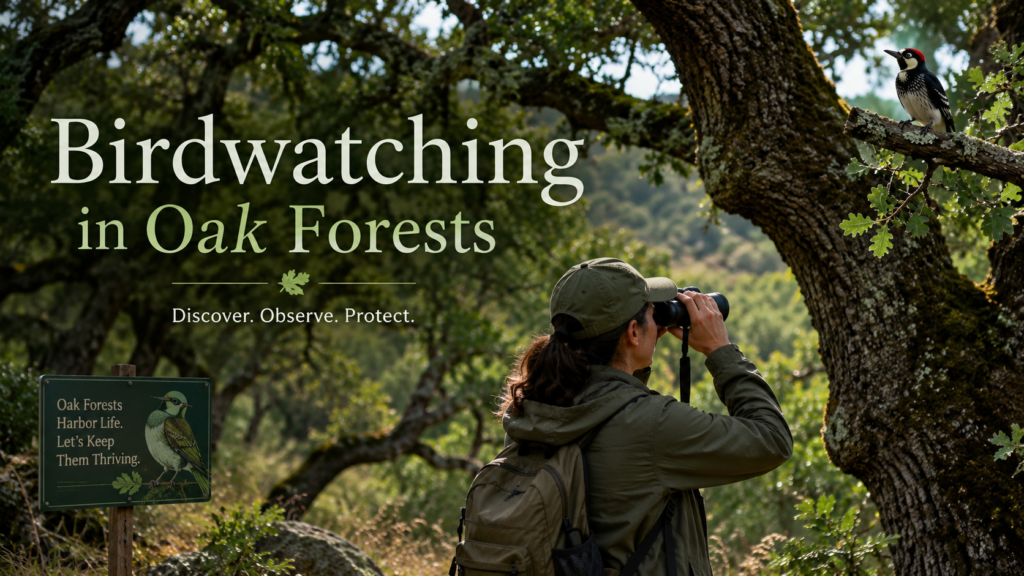
The forests around Auli are rich in Himalayan birdlife — Monal pheasants (Uttarakhand’s state bird), Koklass pheasants, Himalayan woodpeckers, and various sunbirds. Summer is far better than winter for birding because the forest floor is accessible and birds are active.
Carry binoculars and patience. Early morning walks from the GMVN guesthouse area work well.
9. Mountain Biking on Auli Trails
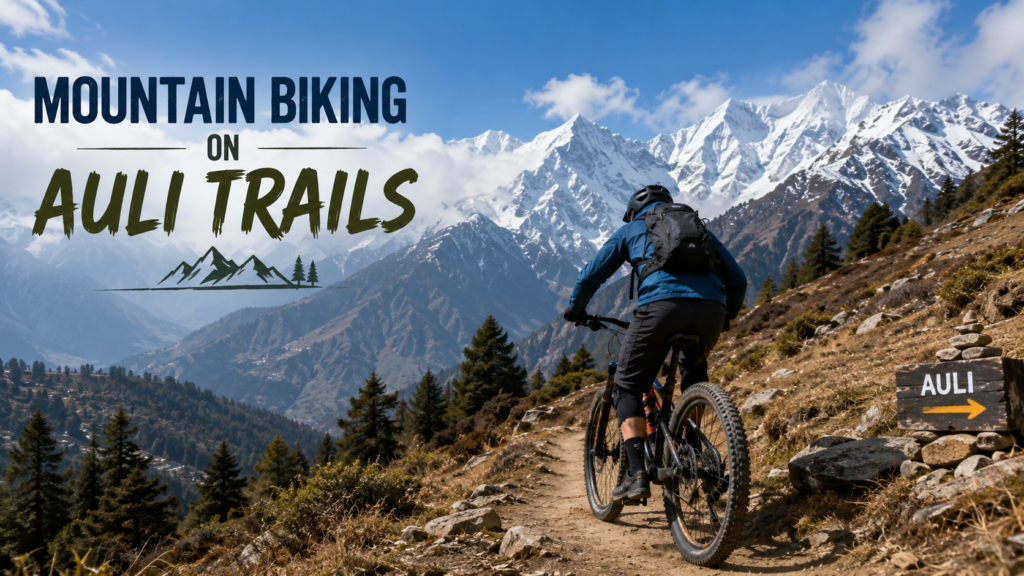
A few outfits in Joshimath now rent mountain bikes (₹600–₹1,200 per day). The downhill stretches between Auli and Joshimath are honestly some of the most fun rides in Garhwal. As of 2026, electric mountain bikes are also available — useful for the climbs.
Always wear helmets. The roads here have switchbacks that don’t forgive mistakes.
10. Stargazing at the Auli Artificial Lake
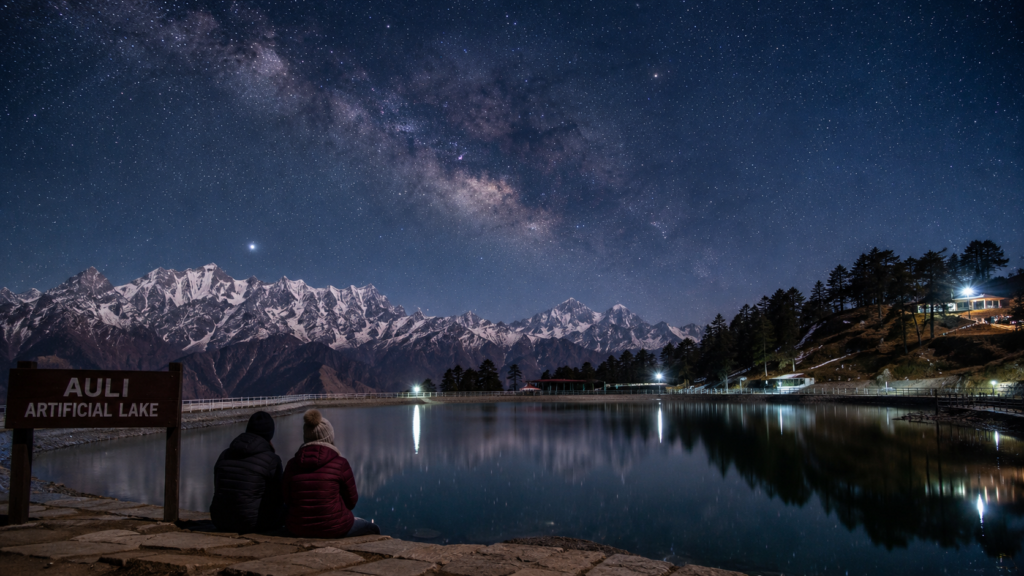
The Auli Artificial Lake at 3,300m was originally built to support snow-making in winter. In summer, it doubles as one of the best stargazing spots in Uttarakhand. Minimal light pollution, clear skies, and the Milky Way arches right over Nanda Devi on cloudless nights.
Carry a flashlight, a thermos of chai, and maybe a sleeping bag if you want the full experience.
Perfect 4-Day Itinerary for Auli in Summer
Here’s the itinerary I personally recommend for a balanced first-time Auli in summer trip:
| Day | Morning | Afternoon | Evening | Stay |
|---|---|---|---|---|
| Day 1 | Drive Rishikesh → Joshimath (10 hrs) | Rest, local market walk | Sunset at Auli viewpoint | Joshimath |
| Day 2 | Ropeway up to Auli, Gorson Bugyal trek | Lunch at Auli, Auli Lake walk | Stargazing | Auli |
| Day 3 | Day trip Mana Village + Badrinath | Vishnuprayag stop | Joshimath dinner | Joshimath |
| Day 4 | Chenab Lake trek OR Kuari Pass base hike | Drive back to Rishikesh | — | Rishikesh |
Got 7 days? Add Valley of Flowers (open June onwards) and Hemkund Sahib via Govindghat.
How to Reach Auli in Summer 2026
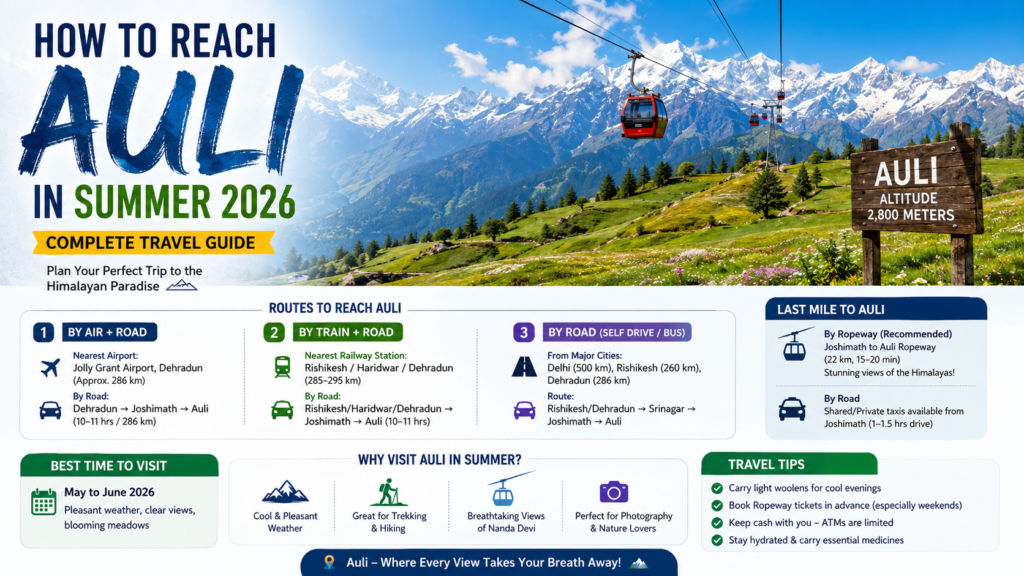
Reaching Auli is honestly half the adventure. The approach itself — winding through five sacred prayags (river confluences), passing roaring tributaries of the Alaknanda, and watching the landscape shift from sub-tropical to alpine — is something you’ll talk about long after the trip ends.
Here’s everything you need to know about getting to Auli in summer 2026, broken down by every realistic option.
By Air — The Fastest Route
The nearest airport to Auli is Jolly Grant Airport (DED) in Dehradun, located approximately 280 km from Auli. As of 2026, the airport is well-connected with daily direct flights from:
- Delhi (1 hour) — Multiple flights via IndiGo, Air India, SpiceJet
- Mumbai (2.5 hours) — Direct and one-stop options
- Bengaluru (3 hours) — Limited direct flights, mostly via Delhi
- Hyderabad, Ahmedabad, Lucknow — Seasonal direct connections
From Jolly Grant Airport to Auli:
Once you land, you have three onward options:
- Pre-booked private taxi — ₹7,500 to ₹11,000 (one way). Takes 9–10 hours. Most reliable for families and elders. Book through your hotel or platforms like MakeMyTrip and Yatra.
- Shared taxi from airport to Rishikesh, then onwards — ₹400–₹600 to Rishikesh (35 km), then catch a shared sumo to Joshimath next morning. Cheaper but requires an overnight stop.
- Helicopter service to Joshimath — During Char Dham yatra season (April–November), Heritage Aviation and Pawan Hans operate helicopter services from Sahastradhara Helipad to Joshimath helipad. Costs around ₹35,000–₹50,000 per person one way. Saves an entire day of road travel.
My honest tip: Don’t try to reach Auli the same day you fly in. Land in Dehradun, stay overnight in Rishikesh or Devprayag, and start fresh next morning. Your back will thank you.
By Train — The Practical Choice
The closest railway stations to Auli are:
| Station | Distance to Auli | Best For |
|---|---|---|
| Haridwar (HW) | 295 km | Most train options, north India |
| Rishikesh (RKSH) | 270 km | Slightly closer, peaceful arrival |
| Dehradun (DDN) | 290 km | Mumbai/south India connections |
| Kathgodam (KGM) | 380 km | Avoid — wrong direction |
Recommended trains for summer 2026:
- Nanda Devi Express (12205/12206) — Delhi to Dehradun overnight, comfortable AC options
- Mussoorie Express (14041/14042) — Old Delhi to Dehradun, budget-friendly
- Dehradun Shatabdi (12017/12018) — Day train, fast, premium
- Yoga Express (19031/19032) — Connects Haridwar to Ahmedabad, good for western India travelers
From the railway station:
- Rishikesh to Joshimath: Shared sumo (₹800–₹1,200/seat), private taxi (₹6,500–₹9,000), or daily UTC bus (₹500–₹700)
- Haridwar to Joshimath: Add ₹200–₹400 to the above costs
- Dehradun to Joshimath: Direct GMOU buses available from Dehradun ISBT
Booking tip: Use IRCTC for trains and GMOU website for state buses. For shared sumos, ask your hotel to call the Joshimath Taxi Union directly — they have fixed rates and reliable drivers.
By Road — The Scenic Route
If you have time and patience, road travel to Auli is genuinely rewarding. The drive passes through some of the most scenic stretches of Garhwal Himalayas.
Standard route from Delhi:
Delhi → Meerut → Roorkee → Haridwar → Rishikesh → Devprayag → Srinagar (Garhwal) → Rudraprayag → Karnaprayag → Chamoli → Pipalkoti → Joshimath → Auli
Total distance: Approximately 500 km Driving time: 13–16 hours (with breaks) Toll plazas: 6–8 between Delhi and Haridwar Fuel stops: Last reliable petrol pump is at Pipalkoti
Suggested two-day driving plan:
Day 1: Delhi → Rudraprayag (or Karnaprayag)
- Start by 5 AM
- Reach Haridwar by 10 AM
- Lunch at Devprayag
- Reach Rudraprayag by 6 PM
- Stay overnight (GMVN guesthouse recommended — book via GMVN)
Day 2: Rudraprayag → Joshimath → Auli
- Start by 7 AM
- Breakfast at Karnaprayag
- Lunch at Pipalkoti
- Reach Joshimath by 2 PM
- Take ropeway or drive to Auli by 4 PM
Driving tips for summer 2026:
- Mountain roads have sharp blind curves after Rudraprayag. Honk before turns.
- Avoid driving after 6 PM in the hills. Visibility drops fast.
- Carry a physical map. Google Maps frequently loses signal between Karnaprayag and Joshimath.
- Keep your fuel tank above half mark always. Pumps are 60–80 km apart in the upper sections.
- Watch for falling stones during summer afternoons after sudden rains.
For real-time road conditions, check Border Roads Organisation and the Uttarakhand Police Travel Advisory before you start.
By Bus — The Budget Backbone
Uttarakhand state buses (GMOU and UTC) connect major cities to Joshimath daily. From Joshimath, you’ll need to take a local taxi or the ropeway to Auli.
Available bus routes:
- Delhi (ISBT Kashmiri Gate) to Haridwar: ₹350–₹600, hourly buses
- Haridwar to Joshimath: Direct GMOU buses at 4 AM, 5 AM, and 6 AM. Cost ₹600–₹850. Takes 12–14 hours.
- Rishikesh to Joshimath: Slightly fewer buses but cheaper (₹500–₹750)
- Dehradun to Joshimath: Direct evening service (less reliable; check daily)
Bus tips:
- Book seats in advance during peak summer (May–June)
- Carry your own water and snacks — long stretches have no proper food stops
- Window seats on the right side give better river views going up
- Avoid the very back rows. Mountain roads + back seats = motion sickness combo
By Helicopter — The Premium Option
For those short on time, helicopter services to Joshimath operate during Char Dham yatra season (April–October).
- Operator: Heritage Aviation, Pawan Hans
- Route: Sahastradhara (Dehradun) → Joshimath
- Duration: 50–60 minutes
- Cost: ₹35,000–₹50,000 per person one way
- Booking: GMVN Heli Services and Heritage Aviation
From Joshimath helipad, take a local taxi or the ropeway to Auli (15–20 minutes).
Worth it? Only if you’re combining with a Char Dham yatra or have severe time constraints. Otherwise, the road journey is a memory in itself.
Where to Stay During Auli in Summer 2026

Here’s the honest breakdown by budget:
Luxury (₹6,000–₹15,000/night)
- Cliff Top Club Resort — Direct meadow views, ski-lift access, premium dining
- The Tattva Resort — Modern, reliable WiFi, great for couples
- Auli D Resort — Newer property with valley-facing rooms
Mid-Range (₹2,500–₹5,000/night)
- GMVN Tourist Rest House Auli — Government-run, budget-friendly, prime location. Book early.
- Dronagiri Mountain Resort (Joshimath) — Clean, friendly staff, mountain views
- Mountain Rover Resort — Good food, decent rooms
Budget (₹800–₹2,000/night)
- Joshimath has plenty of guesthouses near the bus stand
- Camping options in Auli during peak summer (May–June)
- Backpacker hostels emerging post-2025 in Joshimath
My honest take: Stay at least one night in Auli proper (not just Joshimath). Waking up at the ski-resort altitude with Nanda Devi looming over you — that’s a memory worth the extra rupees.
For more accommodation patterns across Uttarakhand hill stations, our 15 Best Places to Visit in Mussoorie guide has comparable budget breakdowns.
What to Pack for Auli in Summer

Even in May–June, Auli mornings get cold (5–10°C). Don’t pack like you’re going to Goa.
Clothing:
- Light fleece or pullover
- Windproof outer layer
- Comfortable trekking shoes (not sneakers)
- Rain jacket (yes, even in summer)
- Sun hat and sunglasses
- 2–3 layers for evenings
Health & safety:
- Diamox or altitude sickness medication (consult doctor)
- Sunscreen SPF 50+ (UV is intense at 3,000m)
- Insect repellent
- Personal medication
- ORS sachets
Tech:
- Power bank (10,000 mAh minimum)
- Extra phone charger
- Headlamp or torch
Documents:
- ID proof (mandatory for Joshimath area registrations)
- Travel insurance details
Cost Breakdown: Auli in Summer Trip Budget 2026
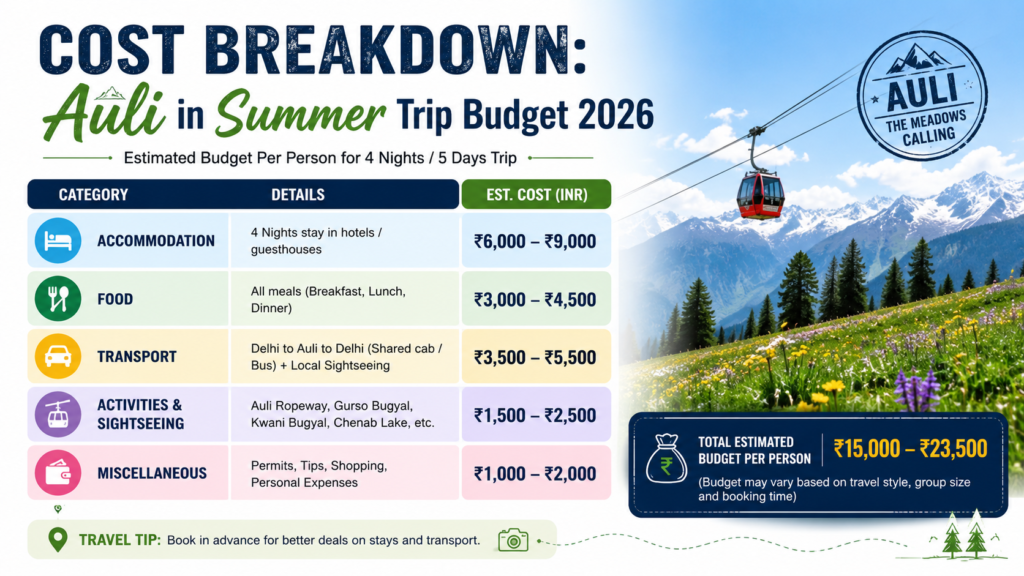
Let me give you the real numbers — not the inflated tourist-board ones, not the suspiciously-low Instagram-influencer ones. These are based on my actual spending across multiple summer trips, updated for 2026 prices.
Budget Traveller (₹12,000–₹18,000 for 4 days)
This is for the smart backpacker who knows how to stretch a rupee without missing the magic.
Detailed breakdown:
| Expense Category | Cost (₹) |
|---|---|
| Train/bus to Rishikesh from Delhi (return) | 1,500–2,500 |
| Shared sumo Rishikesh → Joshimath (return) | 1,800–2,400 |
| Joshimath to Auli local transport | 600–800 |
| Accommodation (3 nights, GMVN/budget hostels) | 3,000–4,500 |
| Meals (4 days, dhabas + simple cafés) | 1,800–2,500 |
| Ropeway one way + chair lift | 800–1,000 |
| Trek charges (Gorson Bugyal solo) | 0–500 |
| Miscellaneous (water, snacks, entry fees) | 1,000–1,500 |
| Buffer for emergencies | 1,500–2,300 |
| Total | 12,000–18,000 |
How I personally save here:
- Travel with 3 friends to split sumo costs
- Stay at GMVN Tourist Rest House Joshimath (book at least 30 days in advance)
- Eat thali meals at Joshimath market — ₹120–₹180 per meal
- Carry your own water bottle and refill (saves ₹200/day)
- Skip Mana village if budget is super tight
Mid-Range Traveller (₹22,000–₹35,000 for 4 days)
This is the sweet spot for most couples and small groups. You get comfort without burning your savings.
Detailed breakdown:
| Expense Category | Cost (₹) |
|---|---|
| Train + Volvo bus to Rishikesh (return) | 2,500–4,000 |
| Shared private taxi or sumo (return) | 3,500–5,000 |
| Joshimath to Auli transfers | 1,500–2,000 |
| Accommodation (3 nights, mid-range hotel) | 7,500–12,000 |
| Meals (mix of dhabas and hotel restaurants) | 3,000–4,500 |
| Ropeway round trip + chair lift | 1,500–1,800 |
| Activities (Mana day trip, guided walks) | 2,000–3,000 |
| Local sightseeing fuel/taxi | 1,500–2,500 |
| Shopping (souvenirs, woollens) | 1,000–2,000 |
| Buffer | 1,500–3,200 |
| Total | 22,000–35,000 |
Recommended for this budget:
- Stay 1 night at Cliff Top resort or Auli D Resort for the experience
- Hire a private taxi for Mana Village + Badrinath day trip
- Book ropeway tickets one day in advance to skip queues
- Try at least one Garhwali thali at a homestay (different from regular dhaba food)
Premium Traveller (₹45,000–₹75,000+ for 4 days)
For those who want the comfort, the views, the works.
Detailed breakdown:
| Expense Category | Cost (₹) |
|---|---|
| Flight Delhi → Dehradun (return) | 7,000–12,000 |
| Private taxi Dehradun → Auli (return) | 16,000–22,000 |
| Premium accommodation (3 nights) | 18,000–35,000 |
| All meals (resort + curated experiences) | 6,000–9,000 |
| Ropeway, helicopter joy ride options | 4,000–8,000 |
| Guided trekking with certified guide | 4,500–7,000 |
| Day trip to Badrinath, Mana, Auli Lake | 3,000–5,000 |
| Photography sessions, exclusive add-ons | 3,000–8,000 |
| Total | 45,000–75,000+ |
Where the premium money goes:
- Suites at Cliff Top Resort with valley-facing balconies (₹8,000–₹15,000/night)
- Private chef-curated meals at Tattva Resort
- Heli darshan to Badrinath (₹5,000–₹8,000)
- Personal guides for treks (₹2,500/day)
- Pre-arranged photography support
What Genuinely Drives Up Costs in Summer 2026
1. Long weekend bookings: Hotel rates jump 50–80% during long weekends. Avoid Saturday-Sunday peak combinations if possible. Mid-week stays save serious money.
2. May 15 to June 15 peak rush: This is summer school holiday window across north India. Book at least 6 weeks ahead.
3. Char Dham yatra crowd: Joshimath is also a stopping point for Badrinath pilgrims. May–June sees massive yatra traffic, which inflates taxi and food costs in town.
4. Ropeway peak hours: First two hours after opening (10 AM–12 PM) often see pre-booking premiums of 15–20% from third-party platforms. Buy at the counter to save.
Money-Saving Strategies I’ve Personally Tested
1. Book GMVN properties directly through gmvnonline.com — saves 20–30% over MMT/Goibibo markups.
2. Travel in groups of 4 — Splits taxi costs perfectly. A ₹9,000 sumo becomes ₹2,250 per head.
3. Carry your own snacks for the road journey — Roadside dhabas between Rudraprayag and Joshimath charge ₹150 for what costs ₹30 at any city store.
4. Skip the helicopter darshan to Badrinath unless you’re physically unable to drive — Saves ₹5,000–₹8,000 per person.
5. Use the ropeway one-way only — Take it up, walk down through the forest trail. Saves ₹500 and gives you a beautiful trek.
6. Eat one meal a day at a local Garhwali home — Most homestays offer authentic meals at ₹250–₹350 per plate. Better than ₹600 hotel buffets.
7. Avoid bottled water — Most homestays and hotels have filtered water. Carry a reusable bottle. Saves ₹40–₹60 per bottle, multiple times daily.
8. Use UPI when possible, but carry cash — UPI works in Joshimath market but fails frequently in Auli upper areas. ₹15,000 cash buffer recommended.
Hidden Costs Most Travellers Forget
- Garbage and ecology fees: Some homestays charge ₹50–₹100 per person per day for plastic-free initiatives. Worth paying.
- Local guide tips: Standard tipping is ₹200–₹500 for half-day, ₹500–₹1,000 for full-day guided treks.
- Photography permits: Some monasteries and temple complexes charge ₹50–₹100 for camera use.
- Parking fees: ₹200–₹300/day at Joshimath if you’re driving your own vehicle.
- Vehicle entry tax: Outside-state vehicles pay a small green tax at Uttarakhand border. Carry vehicle papers.
Real Tips From Multiple Auli Summer Visits

After four trips across seasons, here’s what I wish someone had told me earlier:
1. Acclimatize properly. Joshimath sits at 1,875m. Auli at 2,800m+. Spend your first night in Joshimath. Don’t rush to Auli on day one if you’re flying in from sea level.
2. Don’t underestimate summer sun. The UV at this altitude is brutal. I got a worse sunburn here in May than I ever did in Goa. Sunscreen reapplication is non-negotiable.
3. Network coverage is patchy. Jio works best in Joshimath. Airtel slightly better in Auli upper areas. BSNL is the surprise hero in remote pockets. Carry dual SIMs.
4. Mountain roads close without warning. Always have a buffer day in your itinerary. I once lost a full day to a landslide near Pipalkoti. Now I always plan a 5-day itinerary even for a 4-day trip.
5. Trust local taxi unions, not online apps. The Joshimath Taxi Union has fixed-rate cards. Pay what’s listed. Don’t try to “negotiate hard” — these guys know mountain roads better than any GPS app.
6. Carry cash. ATMs in Joshimath occasionally run dry. Most homestays don’t accept UPI consistently due to network issues. ₹10,000–₹15,000 in cash is sensible.
7. Respect the bugyals. These alpine meadows are fragile ecosystems. Don’t pluck flowers. Don’t litter. Don’t camp where you’re not supposed to. The locals are increasingly strict about this — and rightly so.
For more cold-season comparisons, our 10 Best Places to Visit in Uttarakhand During Snowfall is a useful read for understanding seasonal contrasts.
Auli in Summer vs Winter: Honest Comparison
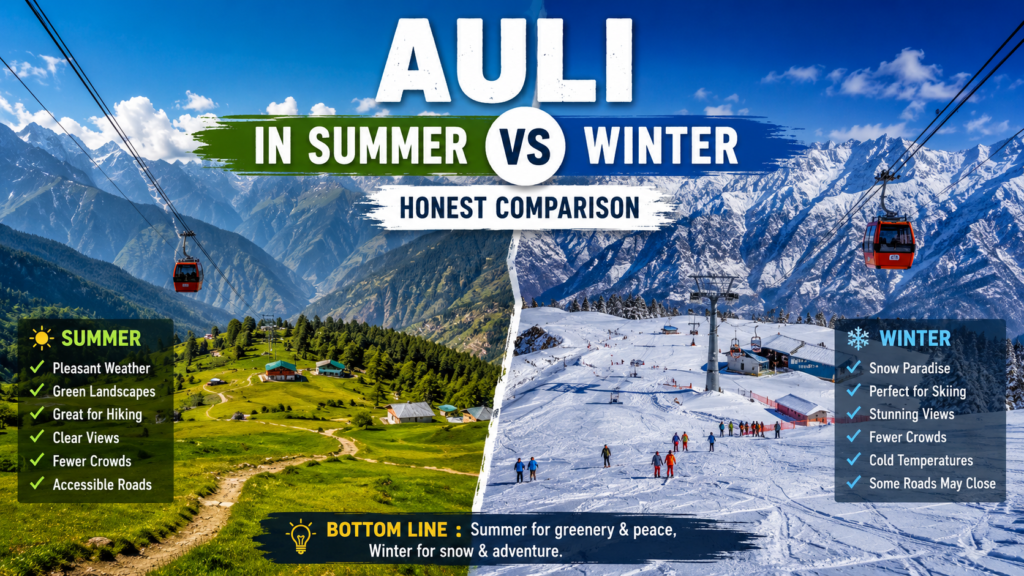
| Factor | Summer (Mar–Jun) | Winter (Dec–Feb) |
|---|---|---|
| Activities | Trekking, biking, sightseeing | Skiing, snow play |
| Crowd | Light to moderate | Heavy (especially Dec–Jan) |
| Costs | 40–60% cheaper | Peak rates |
| Views | Crystal clear, sharp | Often hazy/foggy |
| Road access | All open | Some closures possible |
| Best for | Trekkers, photographers, peace-seekers | Adventure sports lovers, snow tourists |
My controversial take? Winter Auli is for Instagram. Summer Auli is for actual travel. Fight me.
Day Trips Worth Adding to Your Auli in Summer Plan
If you’ve travelled all the way to Auli, you’d be doing yourself a disservice by not exploring the spiritual, scenic, and adventurous gems within easy reach. Here are the day trips I genuinely recommend — tested across multiple visits.
1. Badrinath Temple — The Spiritual Crown Jewel
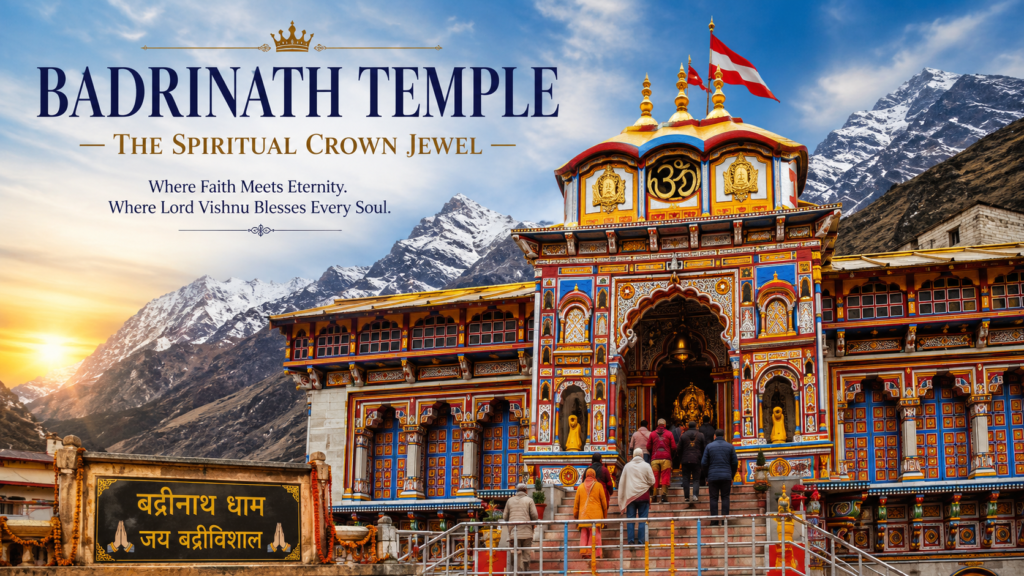
Distance from Joshimath: 45 km (3 hours one way) Best time: Early morning departure (5 AM) Best for: Spiritual seekers, cultural enthusiasts, families
Badrinath needs no introduction. As one of the four Char Dham pilgrimage sites, this temple dedicated to Lord Vishnu has been a sacred destination for Hindus for over a thousand years. The temple is open from late April to early November.
What makes the day trip special:
The drive itself is a journey through dramatic landscapes — past Vishnuprayag (the confluence of Alaknanda and Dhauliganga), through Govindghat (gateway to Hemkund Sahib), and into the high-altitude Badrinath valley flanked by Nar and Narayan parvats.
Once at the temple, the morning aarti (around 6:30 AM) is unmatched. The Tapt Kund (natural hot sulphur spring) right outside the temple is a must-experience — pilgrims bathe here before the darshan.
Practical details:
- Temple entry: Free, but VIP darshan tickets cost ₹300
- Photography: Not allowed inside the sanctum
- Token system: Active during peak yatra months — get tokens by 7 AM
- Food: Excellent prasad available; avoid heavy meals before darshan
Don’t miss: Mata Murti Temple (3 km from Badrinath) and the Bhim Pul natural rock bridge.
For a complete Char Dham planning resource, our Char Dham Yatra Guide has everything from registration to itinerary tips.
2. Mana Village — India’s First Village
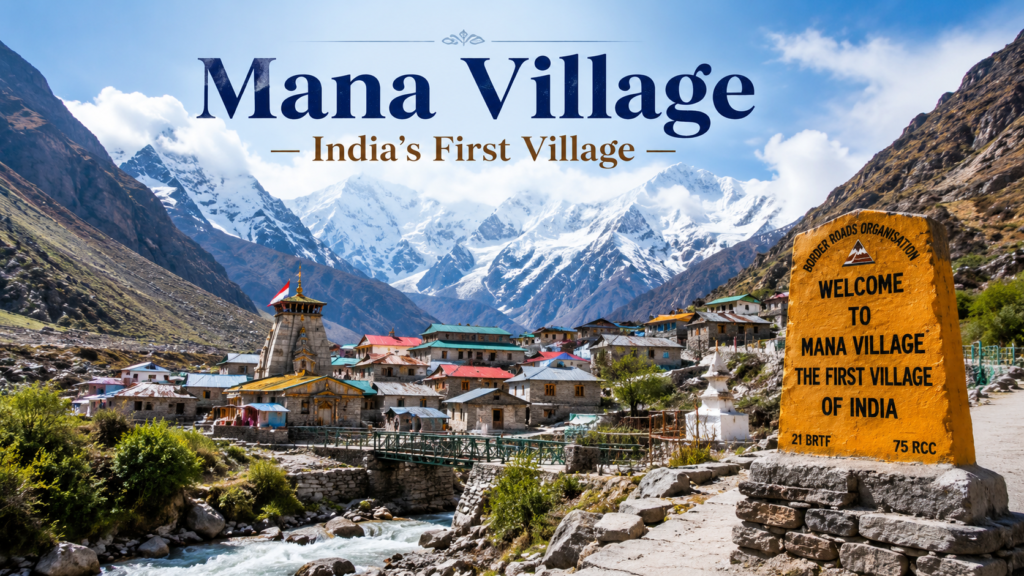
Distance from Joshimath: 50 km (3.5 hours one way) Best paired with: Badrinath day trip (combine in single day) Best for: Culture lovers, photographers, history buffs
Mana sits 3 km beyond Badrinath, just 24 km from the Tibet border. Until 2022, it was officially India’s last village. Then the government rebranded it as “India’s first village” — and the locals love that change.
Why Mana stays with you:
The Bhotia tribal community here has lived between two worlds for centuries — Indian heritage with Tibetan influences. Their woollen handicrafts, particularly hand-woven shawls and carpets, are works of art.
Must-visit spots in Mana:
- Bhim Pul — A massive rock bridge said to have been placed by Bhima during the Mahabharata era
- Vyas Gufa — The cave where Sage Vyas reportedly composed the Mahabharata
- Ganesh Gufa — Where Ganesha is said to have written the epic
- Mata Murti Temple — Vishnu’s mother’s shrine
- Saraswati River — Emerges from underground here, vanishes again after few kilometers
- Last Tea Shop of India — Famous photo spot with delightful tea and Maggi
Travel tip:
Carry your ID. There’s an Indo-Tibet Border Police checkpoint at Mana. Indian citizens can visit freely; foreign nationals need Inner Line Permits arranged in advance through the Uttarakhand Tourism office.
3. Valley of Flowers National Park — Summer’s Living Painting
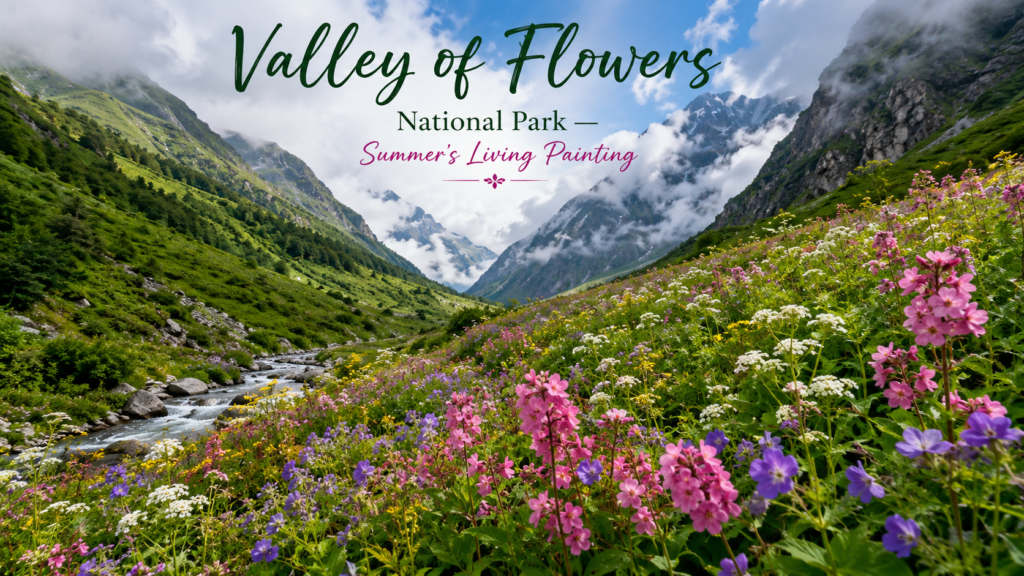
Distance from Joshimath: Govindghat is 19 km away; trek base Total trek: Govindghat → Ghangaria (10 km) → Valley of Flowers (4 km) Best for: Trekkers, botanists, nature photographers Opens: June 1, 2026 onwards
If you’re visiting Auli in June 2026, do not miss Valley of Flowers. This UNESCO World Heritage Site bursts into bloom each monsoon with over 600 species of wildflowers — including blue poppies, Brahma kamal (the elusive Himalayan lotus), and rare orchids.
The trek experience:
- Day 1: Drive from Joshimath to Govindghat. Trek 10 km to Ghangaria (or take a mule).
- Day 2: 4 km gentle walk into Valley of Flowers. Spend 4–5 hours photographing.
- Day 3: Optional Hemkund Sahib trek (challenging) or return to Joshimath.
Permits and costs:
- Forest entry permit: ₹200 for Indians, ₹800 for foreigners (per day)
- Mules from Govindghat to Ghangaria: ₹800–₹1,200
- Helicopter Govindghat to Ghangaria: ₹3,500–₹4,500 (saves a day)
- Photography rights: Free for personal use
My honest take: Valley of Flowers is one of the few times where the journey is exhausting but the destination genuinely earns it. The first time I saw the valley in full bloom in July 2023, I forgot I had aching legs. That’s how stunning it is.
For more on this incredible place, our Valley of Flowers Trek Guide has detailed itineraries.
4. Hemkund Sahib — The Highest Sikh Gurudwara in the World
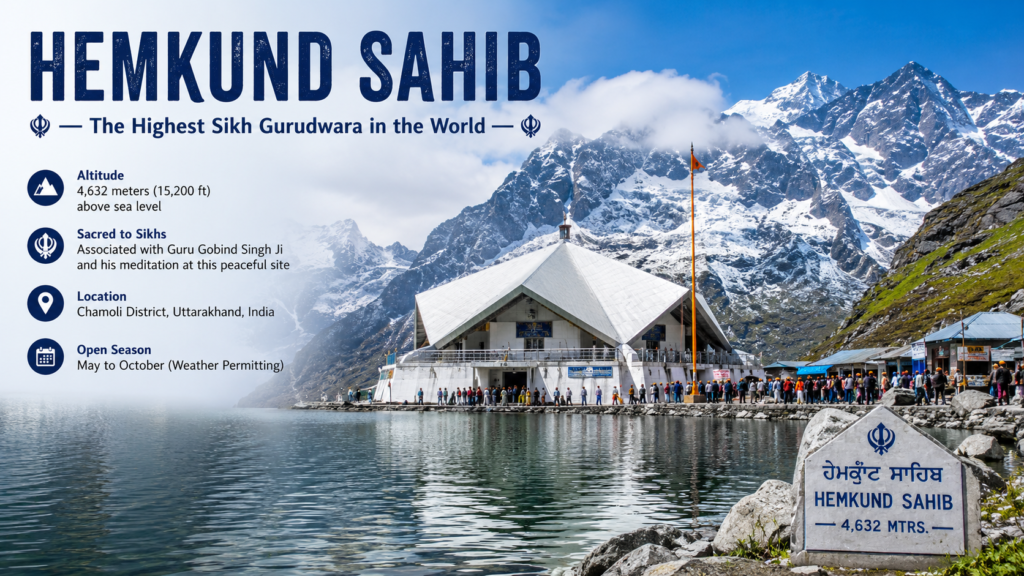
Distance from Joshimath: Same approach as Valley of Flowers Trek from Ghangaria: 6 km steep ascent (challenging) Altitude: 4,632 meters Opens: May 25, 2026 onwards
Hemkund Sahib is the highest Sikh pilgrimage in the world, where Guru Gobind Singh Ji is said to have meditated in his previous life. The gurudwara sits beside a glacial lake surrounded by seven Himalayan peaks.
Why every traveller should attempt this:
The trek is steep and demanding (1,100 meters of elevation gain in 6 km), but reaching the top is genuinely transformative. The langar (community kitchen) serves hot kadhi-chawal and tea — and trust me, no meal in your life will taste as good as that one after a 6 km vertical climb.
Practical advice:
- Start by 5 AM from Ghangaria
- Reach Hemkund by 9–10 AM
- Spend 1 hour at the lake and gurudwara
- Begin descent by 11 AM (afternoon weather changes fast)
- Carry ID, warm layers, water, energy snacks
Important: This trek is not suitable for those with severe altitude sickness, heart conditions, or limited mobility. There’s also a helicopter option from Govindghat directly to Ghangaria, which makes the trip much more manageable.
5. Tapovan Hot Springs — The Natural Spa
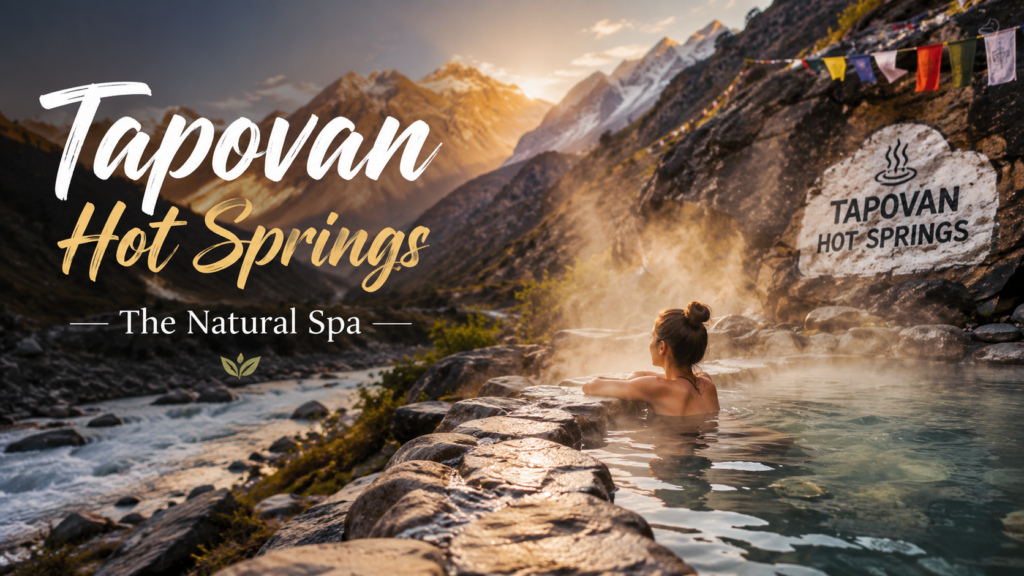
Distance from Joshimath: 14 km (45 minutes one way) Best for: Tired trekkers, families, casual travellers Time needed: 3–4 hours total
After all those treks, your legs deserve this. Tapovan has natural sulphur hot springs known to relieve muscle pain, joint issues, and skin conditions. The water emerges at a steady 40–50°C year-round.
The experience:
Local arrangements have created basic bathing pools with separate sections for men and women. It’s not a luxury spa — think simple, functional, and authentic. The setting is gorgeous: glacial streams nearby, mountains all around, fresh Himalayan air.
Combine with:
- Visit to Reni Village — Birthplace of the Chipko Movement led by Gaura Devi
- Lata Village — Gateway to Nanda Devi National Park (UNESCO Heritage Site)
- Dhauliganga river views — Spectacular along the route
Costs: Entry is free. Local helpers may ask for ₹50–₹100 tips. Bring your own towel and change of clothes.
6. Niti Valley — The Final Frontier
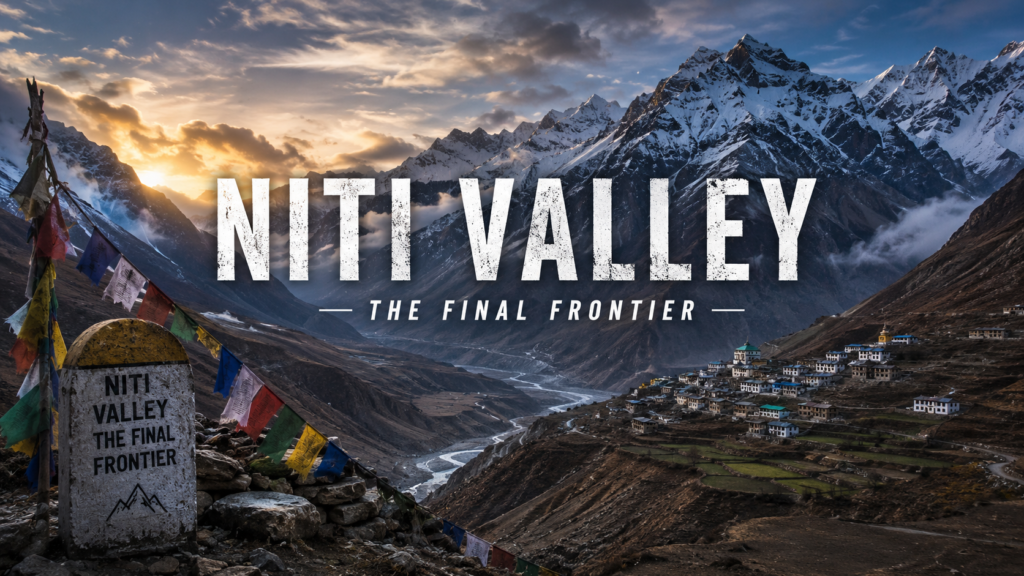
Distance from Joshimath: 80 km (4–5 hours one way) Best for: Adventurous travellers, offbeat explorers Permit required: Yes, from Sub-Divisional Magistrate, Joshimath
Niti Valley is the ancient trade route between India and Tibet, leading to Niti Pass (5,068 m), one of the historical Indo-Tibet trade passes. Today, it’s home to the Bhotia community and offers some of the most untouched Himalayan landscapes in India.
What makes it special:
This is raw, rugged Garhwal at its finest. Apple orchards, traditional Bhotia stone-and-wood houses, ancient watermills still functioning, and the kind of silence you only find at 3,500+ meters above sea level.
Highlights:
- Malari Village — Largest village in Niti Valley, famous for kidney beans and apples
- Niti Village — Last village before Tibet border
- Bagudiyar — Stunning meadow stops along the route
- Dronagiri Mountain — The peak from where Hanuman supposedly carried the sanjeevani herb
Permit process:
Visit the SDM office in Joshimath one day in advance. Carry ID proof and 2 photographs. Permit is free but mandatory. Foreign nationals are not permitted in this area without special clearance.
Practical tips:
- Hire a local jeep with experienced driver (₹4,500–₹6,500 for the day)
- Carry food and water; very limited options on the route
- Best done as a full-day trip (leave Joshimath by 6 AM)
- Network coverage is non-existent for most of the route
7. Auli Artificial Lake & Trekking Trails — The Local Day Out
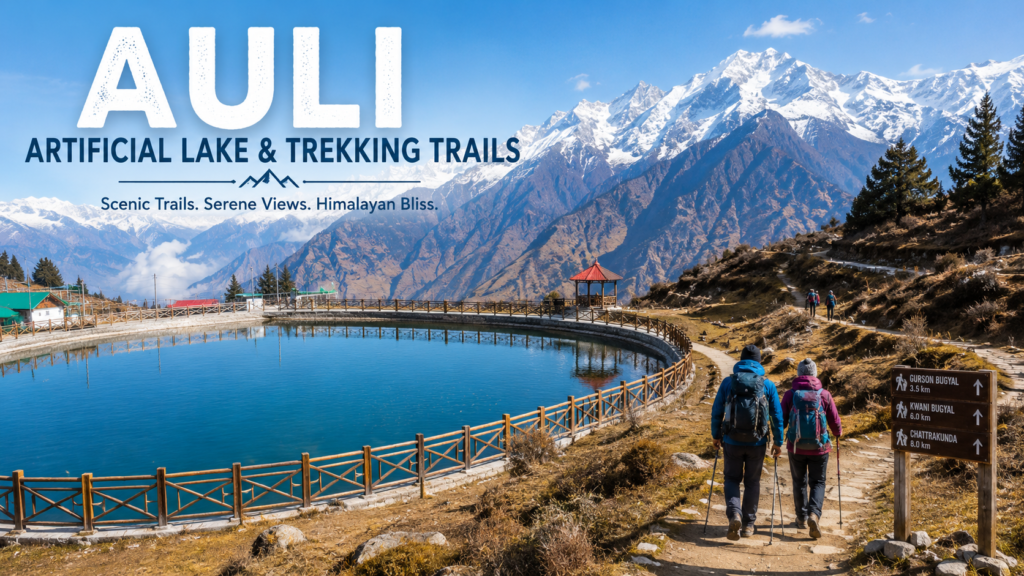
Distance from Auli: Walking distance Best for: Casual day with family, photography enthusiasts Time needed: Half day
If you don’t want to drive far, the area around Auli itself offers brilliant short walks. The Auli Artificial Lake at 3,300m, surrounded by walking trails, makes for a perfect lazy day after your bigger Gorson Bugyal trek.
Suggested half-day plan:
- Walk from your hotel to the lake (15–30 minutes depending on location)
- Photograph the reflections of Nanda Devi and surrounding peaks
- Picnic lunch at the lakeside
- Easy ridge walk to viewpoints
- Return for sunset
My favorite ridge walks near Auli:
- GMVN to Top Station ridge — 2 km, easy, great views
- Auli to Chair Lift point trail — Through pine forests
- Lake area perimeter walk — Family-friendly, well-marked
For people exploring more relaxed trails, our Best Treks for Beginners in Uttarakhand is a great companion read.
8. Pandukeshwar — The Forgotten Pandava Connection
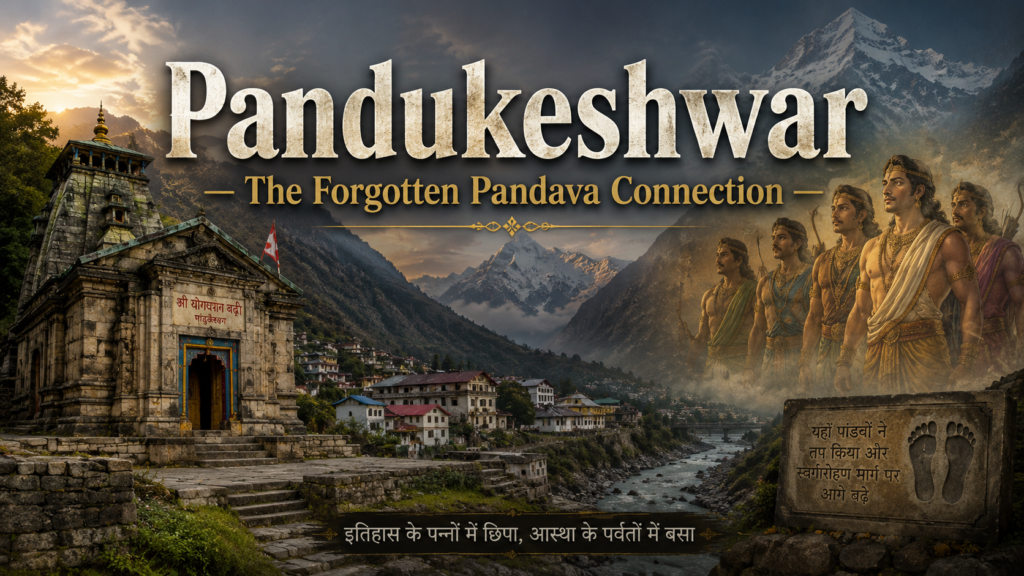
Distance from Joshimath: 22 km (1 hour one way) Best for: History lovers, those en route to Badrinath Time needed: 2 hours
This small village holds two ancient temples — Yog Dhyan Badri and Vasudev Temple — believed to have been built by King Pandu, father of the Pandavas. The temples house bronze idols dating back to the 8th century.
Most Char Dham travelers zoom past this place on their way to Badrinath. Don’t make that mistake. The bronze sculptures here are some of the finest examples of early Himalayan Hindu art, and the village itself is peacefully untouched by mass tourism.
Combine with: Govindghat or your Badrinath day trip easily.
9. Kalpeshwar: The Easiest Panch Kedar
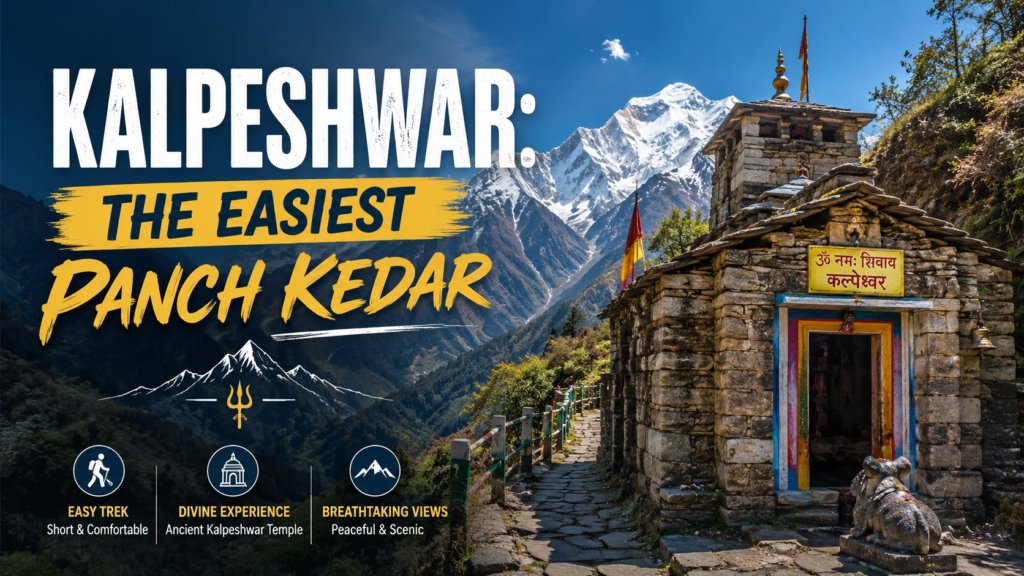
Kalpeshwar is the only temple among the five Kedars that is open year-round, but summer makes the approach through the Urgam Valley spectacular. The trek is short and easy, taking you through apple orchards and terraced fields.
Controversial Opinion: I personally think the vibe at Kalpeshwar is more peaceful than Badrinath. It’s less about the gold and more about the old-world stone architecture and the matted hair (Jata) of Lord Shiva.
Auli in summer is the smart traveler’s choice. By June 2026, the crowds in Shimla and Manali will be suffocating. Here, you’ll find space to breathe. Whether you’re hiking the Gorson Bugyal or exploring the caves of Mana, you’ll realize that the “off-season” is actually the “best season.”
Ready to pack? Make sure to browse our 15 best places to visit in Mussoorie if you’re planning to stop over in the Queen of Hills on your way back!
Frequently Asked Questions About Auli in Summer
Is Auli worth visiting in summer?
What is the temperature in Auli in summer?
Can you visit Auli without snow?
Is the Auli ropeway open in summer?
What treks are possible from Auli in summer?
How many days are enough for Auli in summer?
Is Auli safe for solo travellers in summer?
Final Thoughts: Why Auli in Summer Will Stay With You
Look, I get it. Marketing has trained you to think of Auli only when you see snow ads. But the locals up here? They’ll tell you summer is when Auli truly comes alive — when the bugyals breathe, the rhododendrons bloom, and Nanda Devi shows her real face without winter’s veil.
Four trips in, Auli in summer is now my default recommendation for friends asking “where in the Himalayas should I go for clear views?” Not Manali. Not Shimla. Not even Mussoorie (and I love Mussoorie). Auli, in May or June, hits a sweet spot that’s hard to match.
The infrastructure is steadily improving post-2025. The roads are better than they’ve been in years. Joshimath is welcoming visitors back. Costs are reasonable. Crowds are manageable.
Pack layers. Carry cash. Respect the bugyals. And if you do only one trek, make it Gorson Bugyal at sunrise.
I’ll see you up there. Maybe at the same tea stall I keep going back to.
Planning your Uttarakhand summer escape? Browse more destination guides, trek itineraries, and seasonal tips at uttarakhand.tours. For custom itinerary help, reach out via our contact page.
If you also work remotely, you might love our Best Workation Spots in Uttarakhand 2026-27 guide — Joshimath is sneaking onto that list this year.
Disclaimer: Prices, ropeway timings, and road conditions mentioned are based on personal visits and recent updates as of May 2026. Always reconfirm with your accommodation and check official sources like Uttarakhand Tourism before travel. Mountain weather is unpredictable — flexibility is your best travel companion.
