The 25 Most Instagrammable Spots in Uttarakhand And How to Get the Perfect Shot
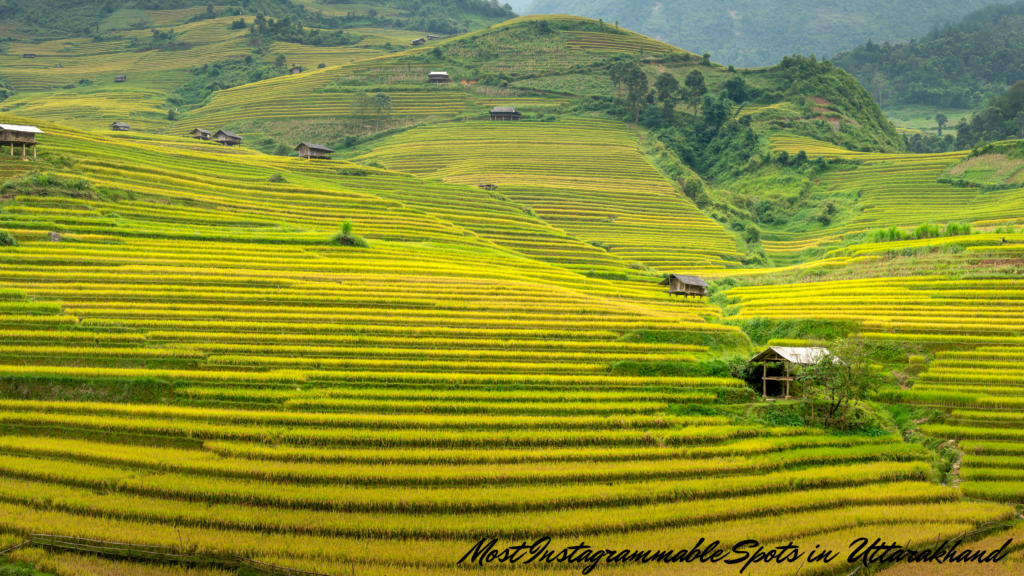
Let me be honest—I’ve stood shivering at 4:30 AM on a Kausani ridge, fingers numb around my camera, waiting for that first golden sliver of sun to kiss Trishul’s snow-capped peak. Was it worth it? Absolutely. Because Uttarakhand doesn’t just look photogenic—it feels sacred through the lens.
This isn’t another generic listicle. I’ve spent monsoons dodging leeches in Valley of Flowers and winters chasing frozen waterfalls near Chopta. Below are the 25 spots where your feed will actually stop scrollers mid-swipe—with exact timing, angles, and gear tips most guides skip.
Why These Instagrammable Spots in Uttarakhand Beat Every Other Himalayan Destination
Uttarakhand’s magic lies in its contrasts. One hour you’re capturing saffron-robed sadhus against Rishikesh’s swirling Ganga. The next, you’re framing 300-km Himalayan panoramas from a misty Kausani ridge. Unlike crowded Ladakh or commercialized Himachal spots, here you’ll still find raw, unposed moments—if you know when to show up.
⚠️ Critical Photography Note
At Tehri Dam, photography on the dam structure is strictly prohibited for security reasons per Uttarakhand Tourism guidelines. But pull over 200 meters before the checkpoint—you’ll find unrestricted lake views that actually make better compositions anyway.
Top Instagrammable Spots in Uttarakhand:
1. Tehri Dam – Where Turquoise Meets Majesty
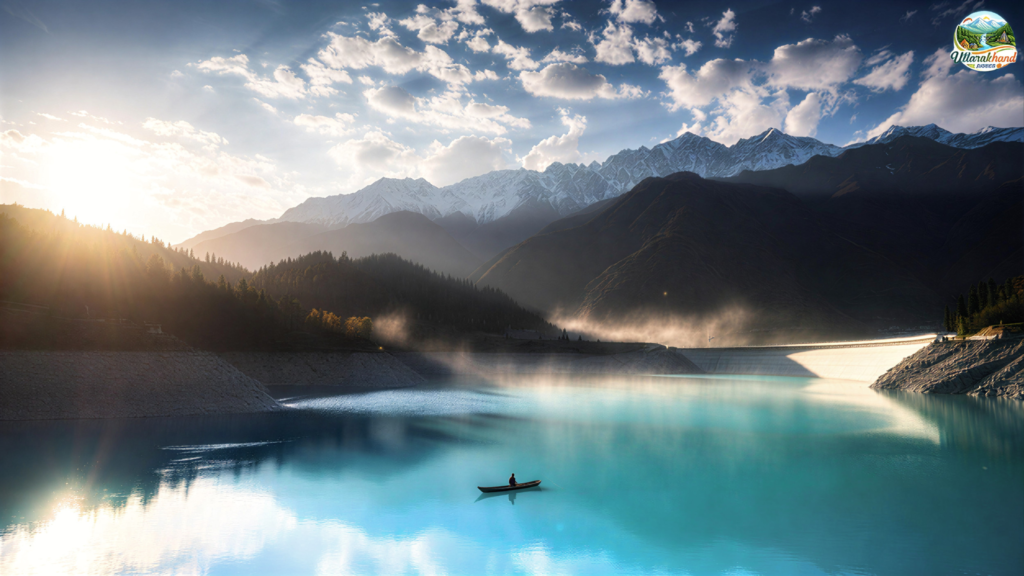
That impossible shade of blue isn’t a filter. Post-monsoon (September–November), Tehri’s reservoir transforms into liquid aquamarine against stark grey mountains—easily ranking among the most instagrammable spots in Uttarakhand for landscape lovers.
Pro Shot Tip: Arrive by 6:45 AM. The morning light softens the water’s glare, and you’ll catch local fishermen casting nets—a human element that elevates landscape shots. Use a polarising filter to cut reflections and reveal submerged tree stumps (eerie and Insta-gold).
Best Angle: Drive to Tipri Madan viewpoint for elevated shots showing the dam’s curve slicing through the valley. Skip midday—the harsh sun washes out colours.
2. Lakshman Jhula & Ram Jhula – Rishikesh’s Soul in Motion
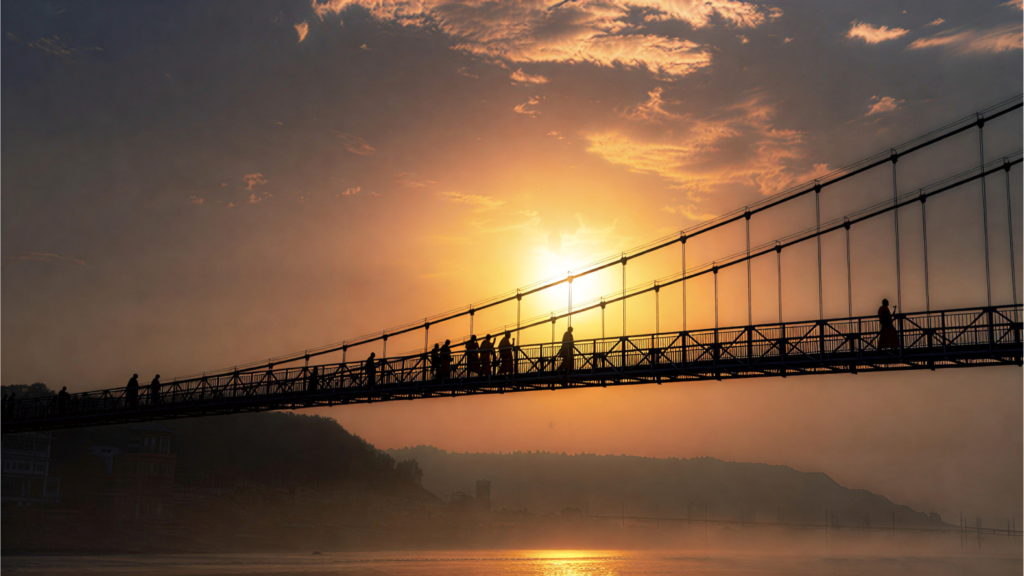
These suspension bridges aren’t just crossings—they’re living stages and among the most instagrammable spots in Uttarakhand for cultural photography. Sadhus meditate mid-span. Monkeys steal bananas. Pilgrims toss marigolds into the Ganga below.
Pro Shot Tip: Golden hour (5–6:30 PM) backlights the bridge cables into fiery strands while the river glows amber. For drama, stand at the bridge’s center and shoot downward—the Ganga’s rapids create natural leading lines toward distant ashrams.
Secret Move: Cross to the east bank and climb the stairs behind Triveni Ghat. From there, you’ll frame both bridges with the Himalayas as backdrop—a shot 99% of visitors miss.
3. Kausani – Sunrise That Feels Like Prayer
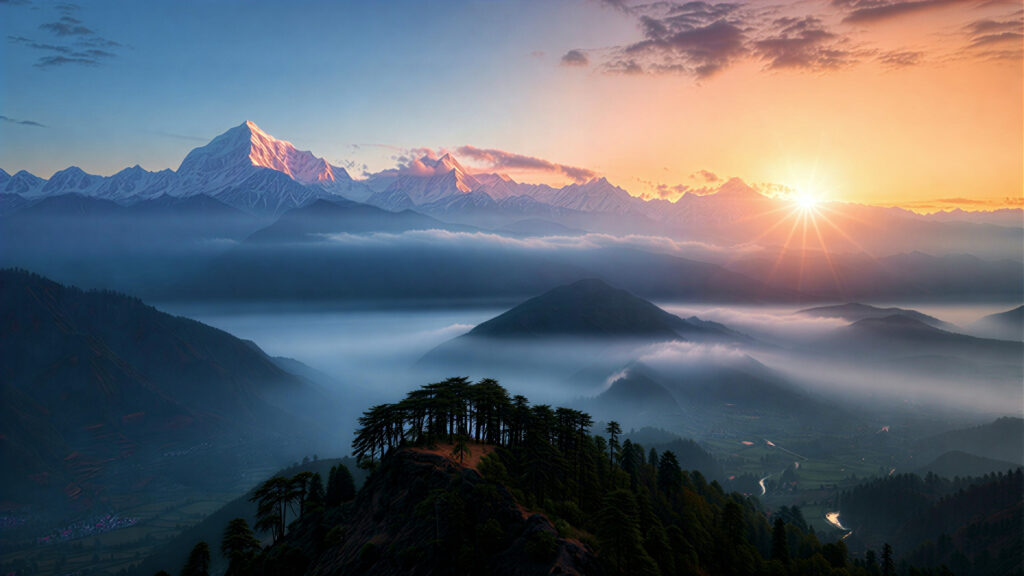
Tagore called this “Switzerland of India,” but that undersells it. At 6,075 ft, Kausani offers unobstructed views of Nanda Devi, Trishul, and Panchchuli—peaks that seem close enough to touch at dawn, making it arguably the most instagrammable spot in Uttarakhand for sunrise chasers. CLICK FOR MORE DETAILS
Pro Shot Tip: Be at Anashakti Ashram viewpoint by 5 AM. As the sun crests, watch how light travels peak-to-peak—Trishul ignites first, then Nanda Devi blushes rose-gold. Use a tripod; those first 10 minutes demand long exposures to capture the color gradient.
Local Wisdom: Skip hotels with “view rooms.” Instead, hike 15 minutes uphill from town to Gandhi Ashram’s terrace—zero crowds, same panorama.
4. Valley of Flowers – Nature’s Confetti Cannon
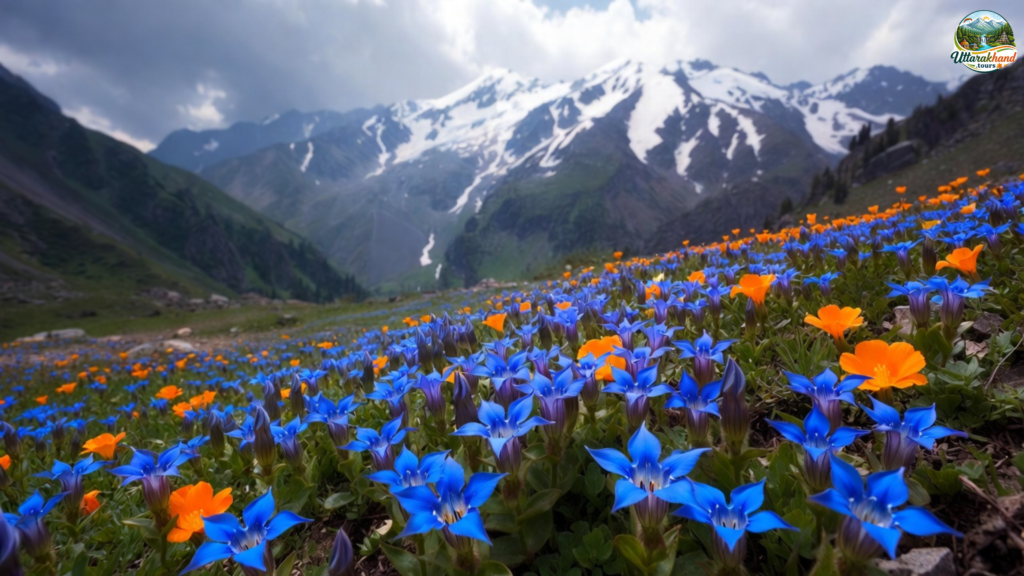
July–August transforms this UNESCO World Heritage site into a psychedelic carpet of 500+ flower species. But timing is everything: arrive after 10 AM when morning mist burns off, revealing vibrant blues (gentians) and fiery oranges (brahma kamal). CLICK FOR MORE DETAILS
Pro Shot Tip: Get low. Lie flat with a macro lens to shoot flowers against snow peaks—a perspective that screams “epic scale.” Avoid midday sun; overcast afternoons make colors pop without harsh shadows.
Respect Note: Stay on marked paths. These flowers took centuries to establish—your perfect shot shouldn’t cost their survival.
5. Chopta – 360° Himalayan Theater
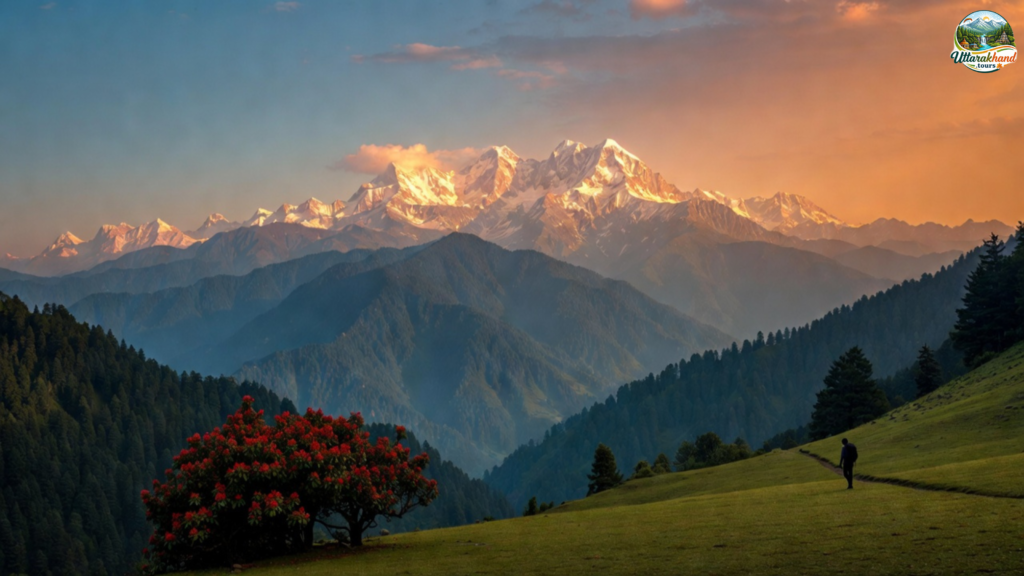
Dubbed “Mini Switzerland,” Chopta’s real magic unfolds on the 3.5-km trek to Tungnath Temple. Rhododendron forests give way to meadows where Nanda Devi, Chaukhamba, and Kedarnath peaks surround you like silent guardians—solidifying its place among instagrammable spots in Uttarakhand for adventure photographers. CLICK FOR MORE DETAILS
Pro Shot Tip: Hike pre-dawn to Chandrashila summit (4,000m). At sunrise, you’ll capture a 360° panorama where shadows retreat peak-by-peak—a sequence worthy of a carousel post. Pack a headlamp; the trail is unlit but safe.
6. Auli Ski Slopes – Where Winter Dreams Get Their Filter
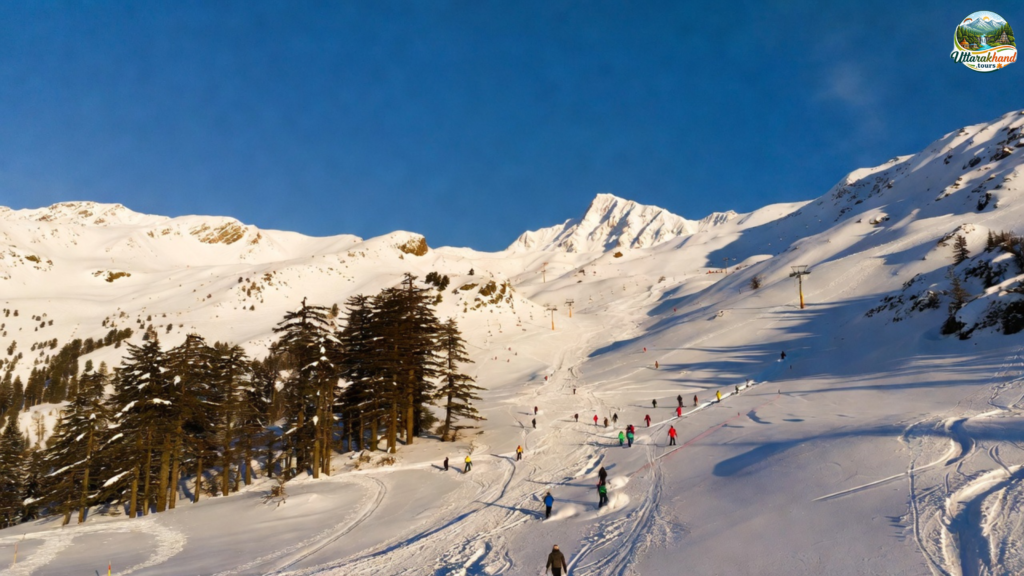
Between December and February, Auli’s powdery slopes become one of the most instagrammable spots in Uttarakhand for winter sports photography. Nanda Devi’s pyramid peak glows rose-gold each afternoon—especially around 3 PM when long shadows carve depth into the white landscape. CLICK FOR MORE DETAILS
Pro Shot Tip: Skip the crowded gondola station. Hike 20 minutes uphill toward Gorson Bugyal for unobstructed frames of skiers carving S-patterns against the Himalayas. Use a telephoto lens (70-200mm) to compress distance—suddenly that skier looks like they’re sliding straight toward Nanda Devi’s summit.
Local Secret: Chat with the Garhwali ski instructors near Joshimath. They’ll point you to hidden clearings where frozen rhododendron branches create natural foreground frames—no other tourists, just you and 200 km of snow-capped peaks.
7. Nainital Lake – Reflections Before the Crowds Arrive
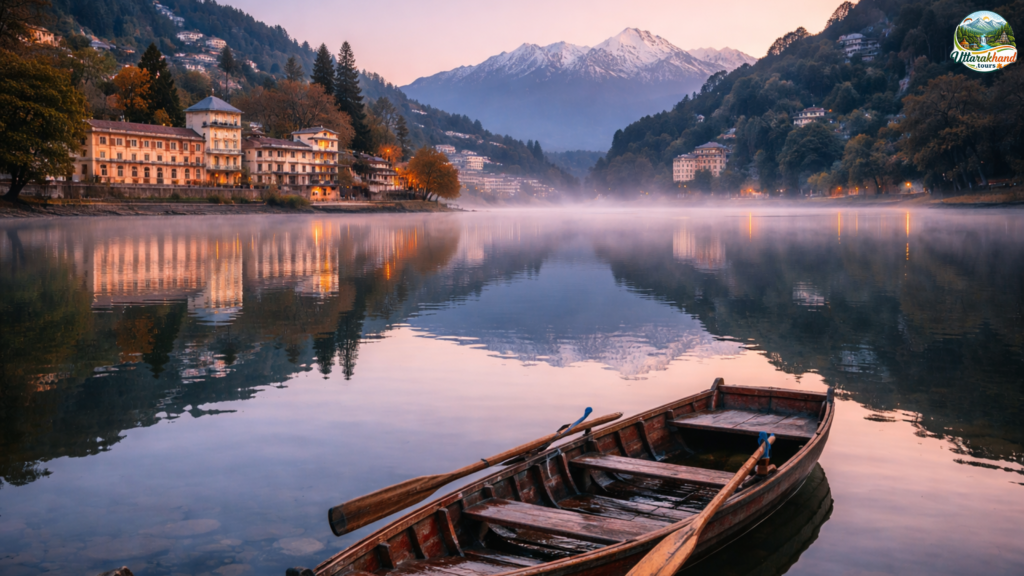
On weekdays before 7 AM, Nainital Lake belongs to fishermen casting nets and mist curling off glassy water—making it among the most instagrammable spots in Uttarakhand for mirror shots. Stand near the Boat House Club pier with a wide-angle lens to capture perfect symmetry where colonial-era buildings double in the still water. CLICK FOR MORE DETAILS
Pro Shot Tip: Rent a rowboat for ₹200 at dawn (bargain hard—standard rate is ₹500). Paddle 50 meters from shore, turn around, and shoot the town waking up. The soft morning light hitting Snow View Peak in the distance? That’s the shot that gets 10K likes.
Avoid: Weekends and holidays. The lake transforms into a honking, selfie-stick jungle by 9 AM. Weekday mornings = serenity.
8. Binsar Wildlife Sanctuary – The Art of Layered Peaks
At 2,412 meters, Binsar’s zero-light-pollution ridge offers layered compositions: foreground deodar forests, mid-ground valleys dotted with villages, and background—a 300-km sweep from Nanda Devi to Trishul. Visit October–March when winter clarity maximizes visibility at this underrated instagrammable spot in Uttarakhand.
Pro Shot Tip: Use a telephoto lens (200mm+) to compress these layers. What looks like distant haze to the eye becomes dramatic depth in-frame. Visit October–March when winter clarity maximizes visibility. Tripod essential—those layered shots need sharpness edge-to-edge.
Wildlife Bonus: Stay overnight at GMVN Binsar. At dusk, barking deer often cross the meadow near Zero Point—silhouetted against alpenglow peaks, they add life to landscape shots.
9. Munsiyari’s Thamri Kund – Mirror Lake Magic
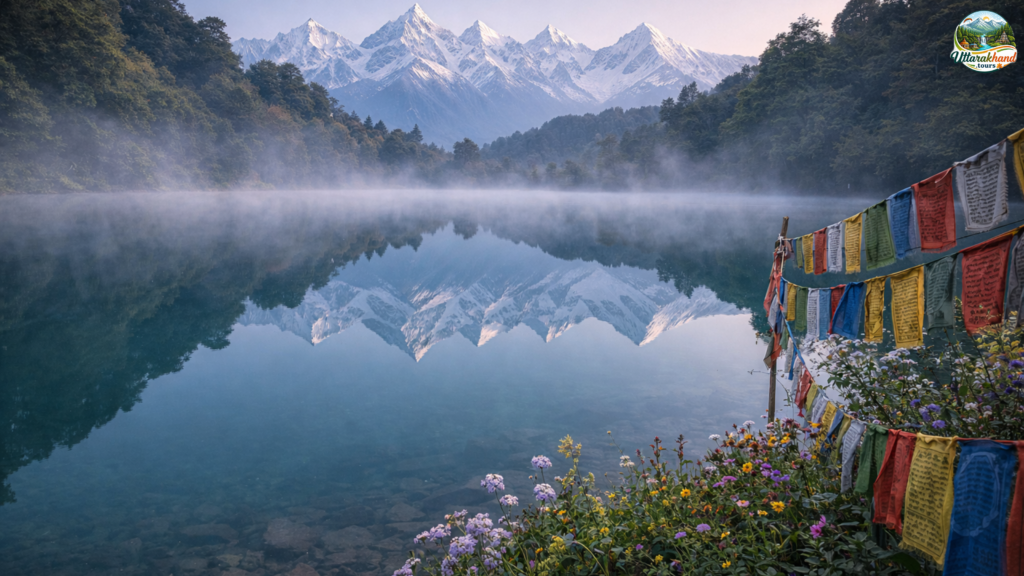
After a 45-minute trek from Munsiyari’s main market, Thamri Kund reveals why locals call it “the eye of the mountains.” This small glacial lake perfectly mirrors the Panchchuli range—but only when windless. Your mission: arrive within 30 minutes of sunrise when the air is still at this hidden instagrammable spot in Uttarakhand.
Pro Shot Tip: Lie flat on the eastern shore with a wide lens. Include wildflowers or weathered prayer flags in the foreground to add scale. That reflection shot? It works best with a polarizing filter to partially cut glare—enough to see submerged rocks, but retain the mirror effect.
Weather Reality: If clouds roll in (common May–June), pivot to monochrome. Moody skies over dark water create haunting black-and-white shots most visitors miss.
10. Dhanaulti’s Apple Orchards – Spring’s Pastel Promise
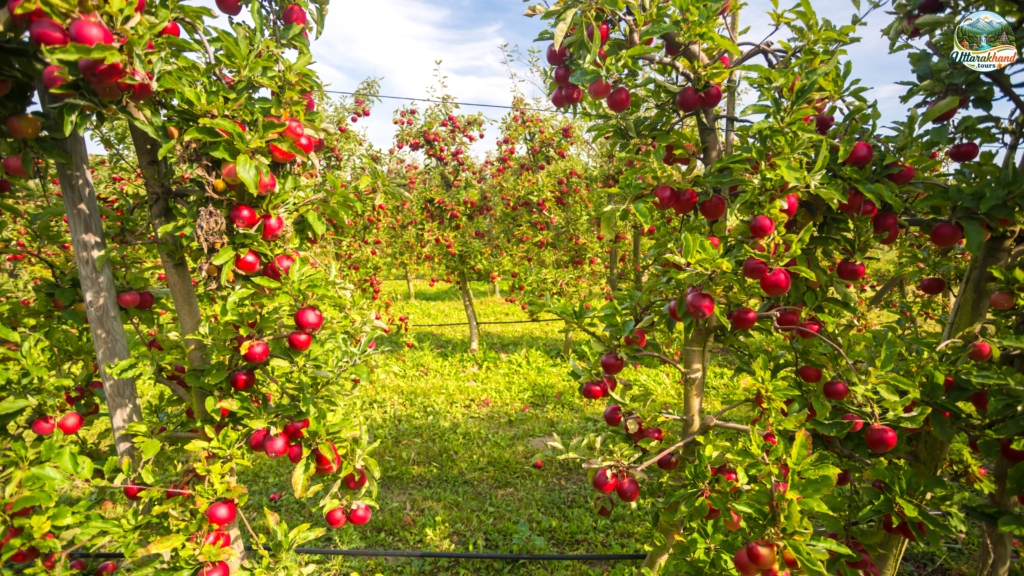
While Auli gets winter glory, Dhanaulti shines April–May when apple blossoms explode in soft pinks and whites. Stand between rows of trees with Chaukhamba Peak piercing the horizon—you’ve just created spring’s most underrated color contrast at this floral instagrammable spot in Uttarakhand.
Pro Shot Tip: Visit Eco Park’s orchard section mid-morning when bees buzz between blossoms. Capture motion blur on wings (1/60s shutter) while keeping flowers sharp—life in stillness. Skip filters; the natural pastels need zero enhancement.
Local Insight: Talk to orchard owners near Surkanda Devi Temple. Many allow respectful photography in private groves for ₹50 chai money—worth it for crowd-free compositions.
11. Gangotri Temple – Where Faith Meets Granite
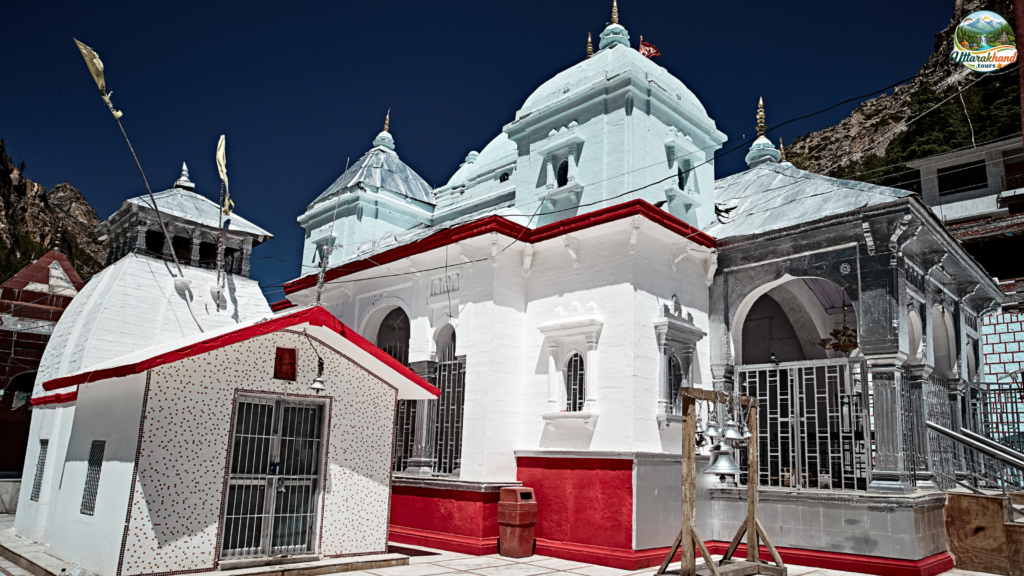
Gangotri’s power isn’t just spiritual—it’s visual theater. Each May, when priests reopen the temple after winter, the first pilgrims trek 18 km through snow-melt streams to touch the Bhagirathi River’s source. Capture them at dawn with ice-glazed peaks behind—the devotion in their eyes needs no caption . CLICK FOR MORE DETAILS
Pro Shot Tip: Position yourself downstream from the temple ghats. As morning sun hits the Bhagirathi’s turquoise water, pilgrims performing jal (water offering) create dynamic silhouettes. Use fast shutter (1/500s) to freeze water droplets mid-air—tiny diamonds against dark rock.
Respect Protocol: Never photograph inside the sanctum. Temple authorities permit exterior shots only. Ask permission before framing identifiable pilgrims—many welcome it with a smile.
12. Hemkund Sahib – Electric Blue at 4,329 Meters
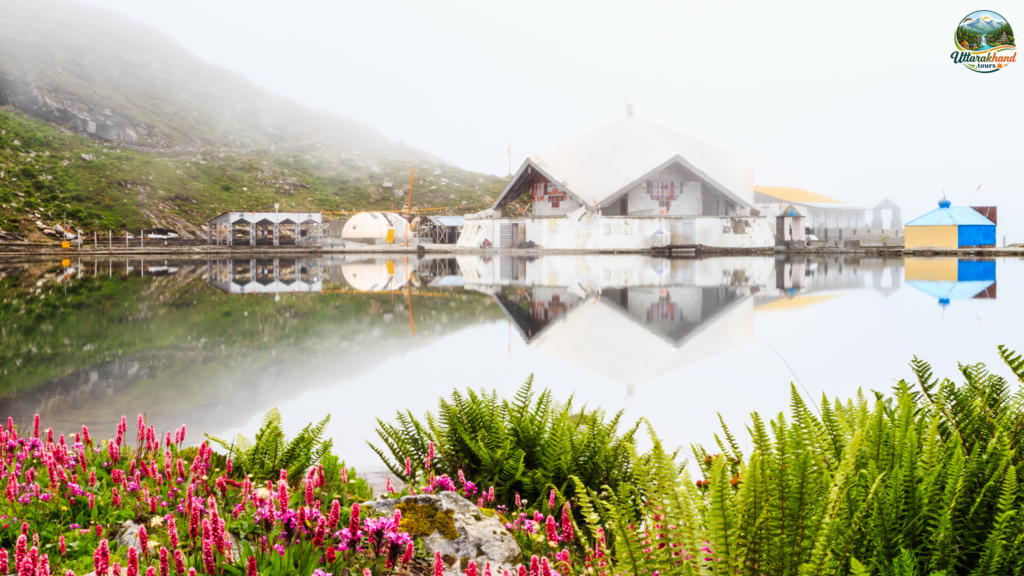
The 6-km trek to Hemkund tests lungs, but rewards with surrealism. This glacial lake isn’t just blue—it’s electric cyan, cradled by stark granite walls and the Sikh gurdwara’s white domes. June–September offers access, but September delivers clearest skies . CLICK FOR MORE DETAILS
Pro Shot Tip: Arrive by 8 AM before cloud cover rolls in. Shoot from the gurdwara steps looking down—the lake’s curve mirrors the mountain bowl above. No filter needed; that color is 100% real (glacial flour suspended in meltwater creates the hue).
Physical Note: Altitude hits hard. Acclimatize in Govindghat first. Your camera won’t matter if you’re gasping for oxygen mid-shot.
13. Deoria Tal – Chaukhamba’s Liquid Mirror
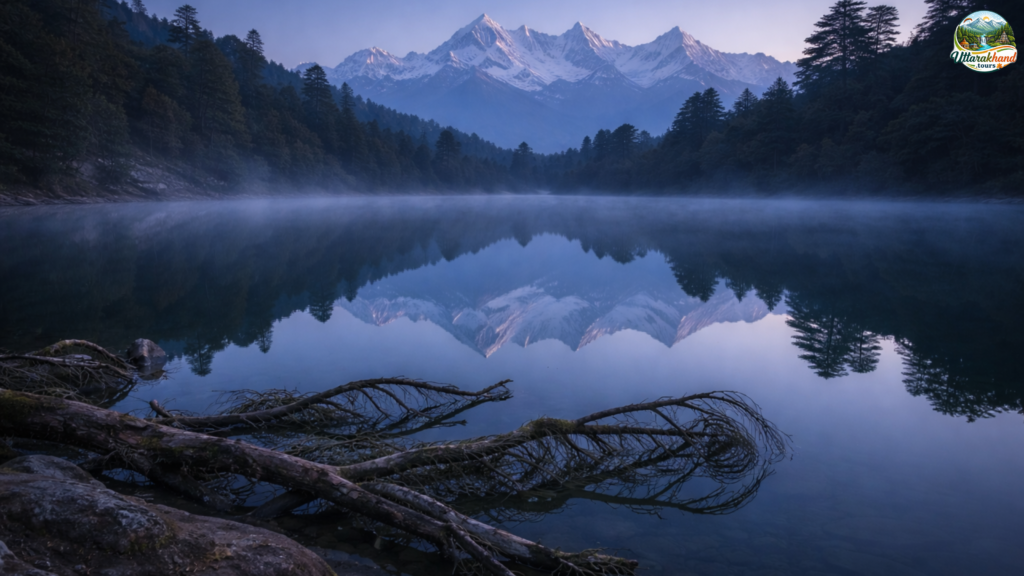
Many chase Valley of Flowers’ blooms. I prefer Deoria Tal’s quiet drama. This 2.5-km trek from Sari village ends at a small lake that perfectly reflects Chaukhamba’s four peaks—but only if you arrive before 6 AM . By 7:30 AM, wind ripples ruin the mirror effect.
Pro Shot Tip: Use a tripod and 2-second timer. Even breathing disturbs stillness at this altitude. Include fallen deodar branches in foreground—they add texture while leading the eye toward the reflection. Golden hour here lasts 12 minutes; be ready.
Local Wisdom: Hire a Sari village guide (₹300). They know hidden spots along the trail where rhododendron tunnels frame the lake approach—great for storytelling carousels.
14. Jageshwar Temples – Monsoon’s Moss Cathedral
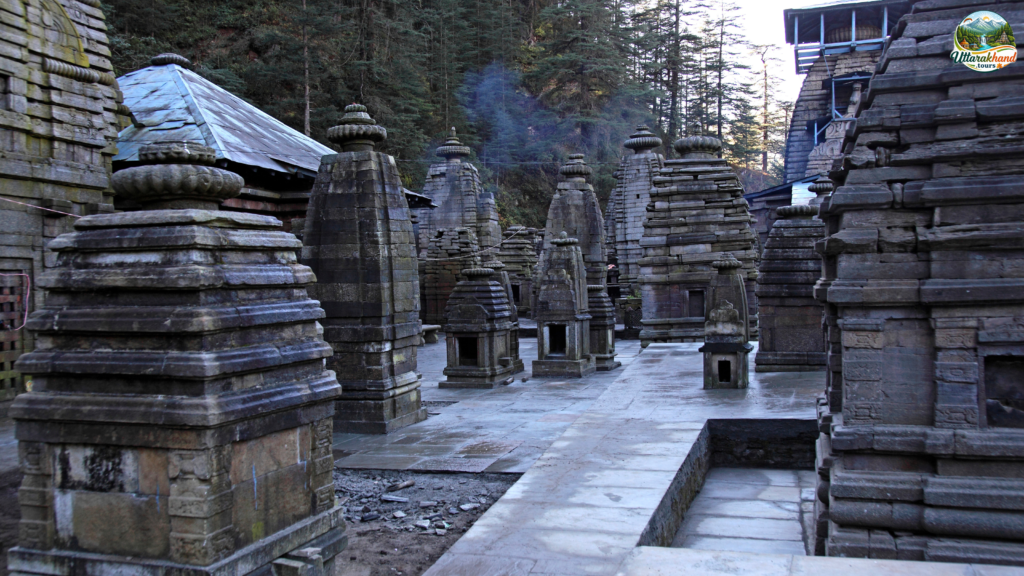
While others flee monsoon rains, photographers should head to Jageshwar. Between July–September, 125 ancient stone temples get draped in emerald moss, with deodar branches dripping water onto 7th-century shivlings. It’s moody, spiritual, and utterly Insta-worthy .
Pro Shot Tip: Shoot after rain stops but before sun returns. That 20-minute window offers saturated greens without harsh shadows. Use a macro lens on water droplets clinging to carvings—each drop contains a miniature temple reflection.
Cultural Note: These are active worship sites. Remove shoes, speak softly, and never climb structures for “better angles.” Respect earns access—priests often share hidden temple courtyards with polite visitors.
15. Patal Bhuvaneshwar Cave – Where Light Meets Darkness
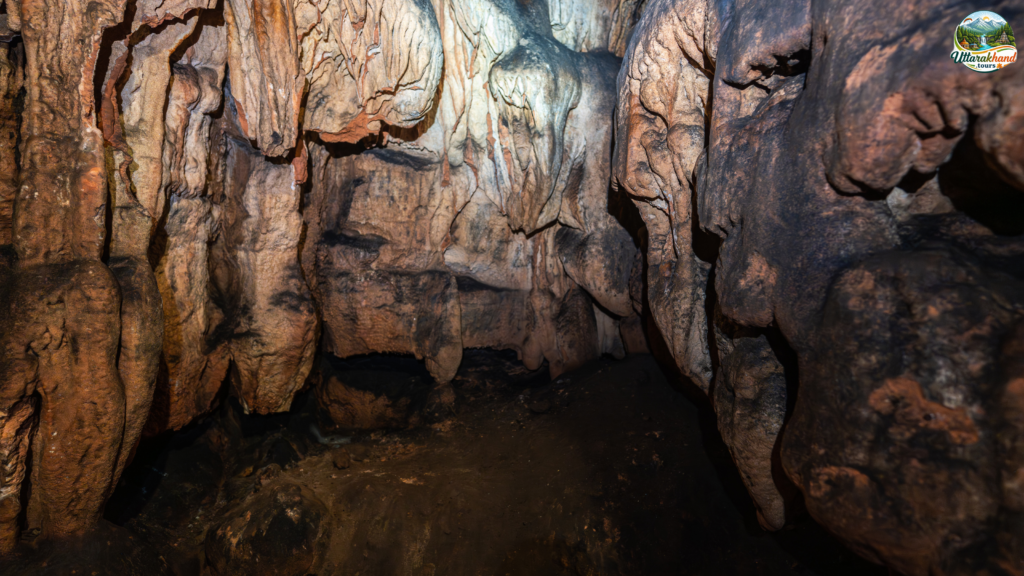
This isn’t your typical photo spot—it’s a spiritual challenge. Inside this limestone cave near Pithoragarh, narrow passages lead to chambers where dripping water has sculpted Shiva’s forms over millennia. Photography here demands patience .
Pro Shot Tip: Use slow shutter (1/15s) on a stable surface (no tripods allowed). The blur of falling water against sharp rock formations creates ethereal motion. Shoot flame-lit chambers during evening aarti—the dancing shadows reveal textures flash would flatten.
Restriction Alert: No flash photography. It damages ancient formations. Natural light only—part of the cave’s sacred atmosphere.
16. Sattal Lakes – Seven Personalities, One Frame
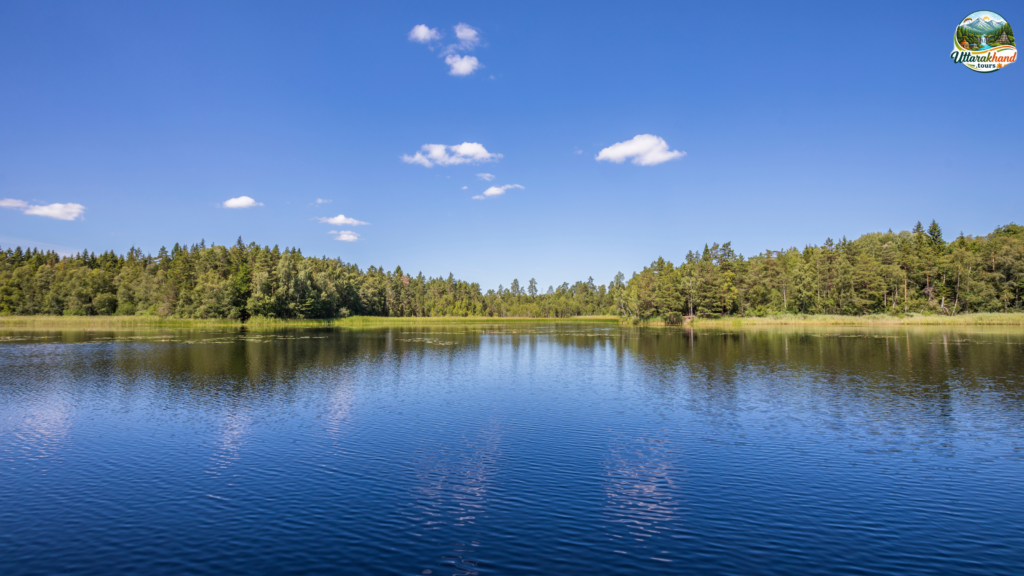
Sattal isn’t one lake—it’s seven interconnected water bodies near Bhimtal, each with distinct character. Panna Tal mirrors oak forests. Nal Damyanti Tal hides lotus blooms. Garud Tal reflects sky only. Your mission: rent a rowboat at dawn and capture all seven moods in one carousel post .
Pro Shot Tip: Paddle to the center of Bharat Tal at sunrise. With no shoreline in frame, the water becomes pure sky-mirror—ideal for minimalist compositions. Monsoon (July–Aug) brings kingfishers diving for fish; use burst mode to catch mid-air splashes.
Stay Smart: Book GMVN Sattal cottages lakeside. Waking up to mist rising off seven lakes? That’s a story no hotel pool can match.
17. Mukteshwar – Cliff-Edge Drama Without the Danger
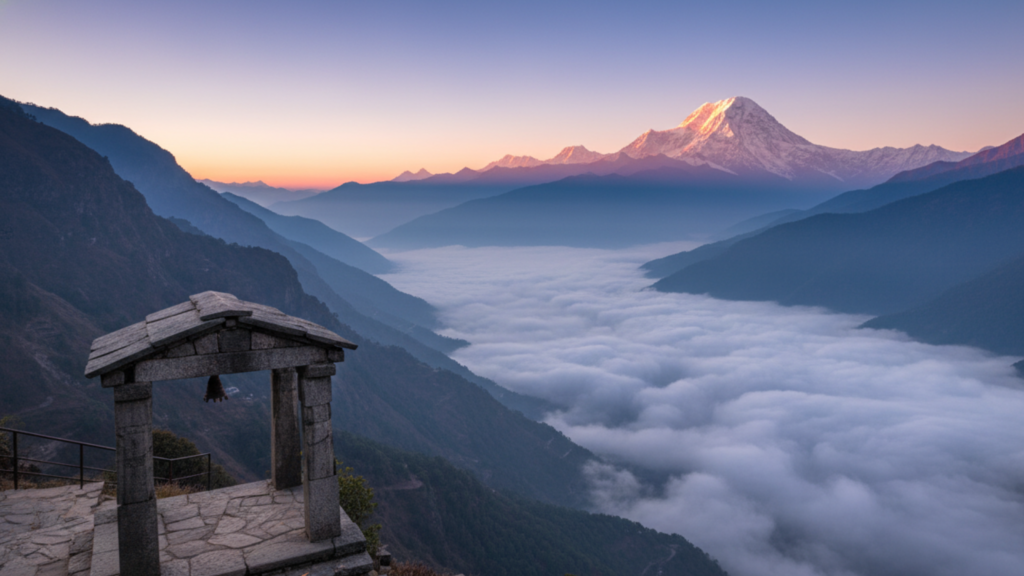
Perched on a 2,171-meter cliff, Mukteshwar’s Chauli Ki Jali viewpoint offers heart-stopping drops—but with secure railings. Position yourself here at sunset when Nanda Devi catches alpenglow while clouds weave through valleys below . CLICK FOR MORE DETAILS
Pro Shot Tip: Use a 24mm lens to exaggerate the cliff’s drop while keeping peaks sharp. Include the ancient Shiva temple’s stone arch in foreground—it frames the Himalayas like nature’s own Instagram border.
Hidden Gem: Walk 10 minutes beyond the main viewpoint to a quiet meadow where shepherds graze goats at dusk. Silhouetted animals against fiery peaks? Pure storytelling gold.
18. Corbett’s Dhikala Zone – Mist, Sal Forests & Raw Wilderness
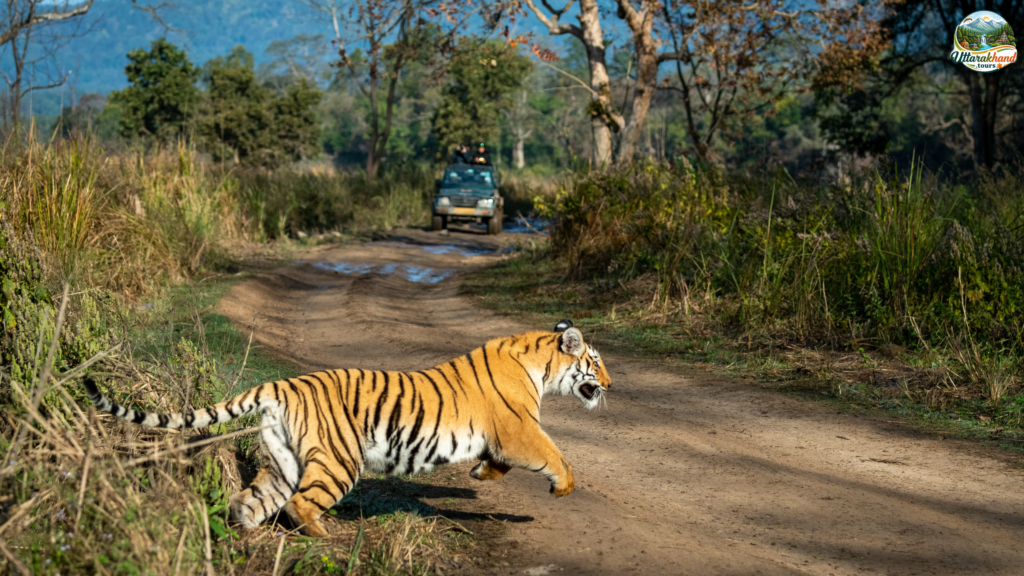
Forget tiger selfies. Dhikala’s magic lies in atmosphere: pre-dawn mist weaving through sal forests, riverine grasslands glowing gold at sunrise, and the Ramganga River reflecting stars on clear nights . Book the Dhikala Forest Rest House months ahead—it’s the only place inside core zone with overnight access.
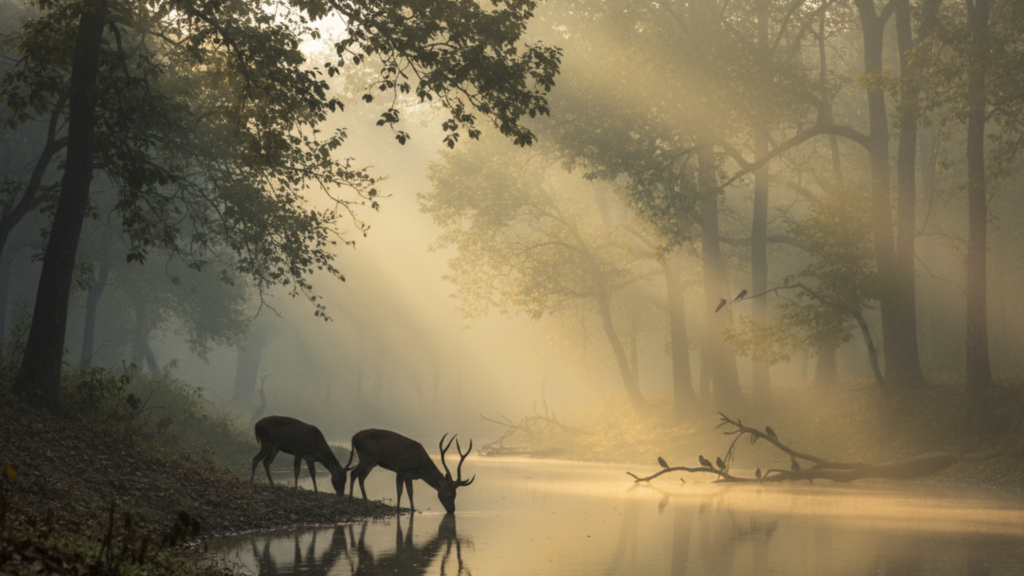
Pro Shot Tip: Join the 5:30 AM safari jeep. As mist burns off, shoot through open windows with a 70-200mm lens—sunbeams piercing forest canopy create god-ray effects no filter replicates. Patience beats luck: wait at riverbanks for sambar deer to drink at first light.
Ethical Note: Never bait or disturb wildlife for shots. Corbett’s beauty is in its wildness—not staged encounters.
19. Badrinath Temple – Aarti Under Neelkanth’s Gaze
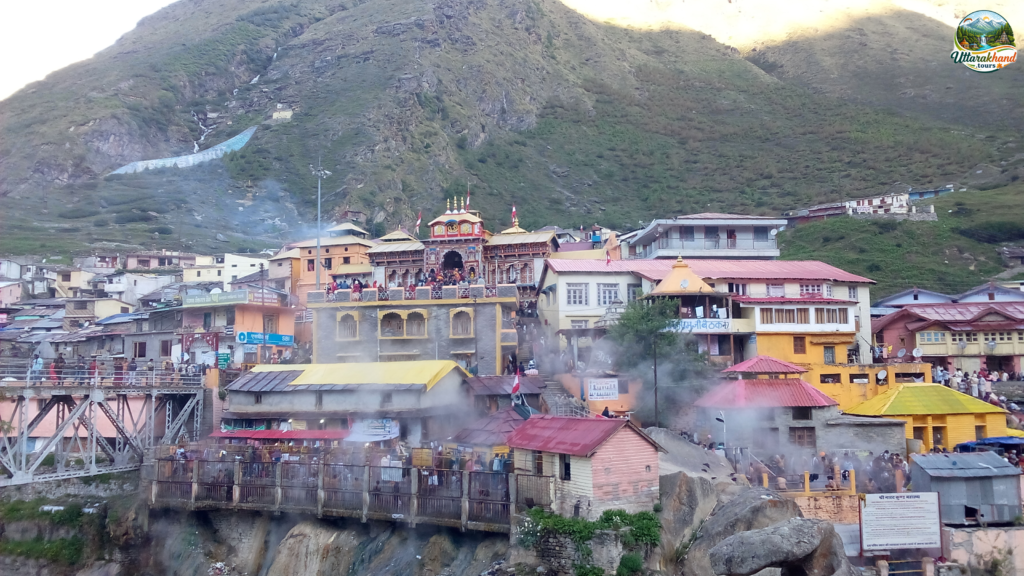
Badrinath’s evening aarti (5:30 PM daily, May–Oct) transforms the temple courtyard into theater. As priests wave fire lamps, the Neelkanth peak behind glows crimson in alpenglow—a spiritual-visual combo that leaves visitors breathless . CLICK FOR MORE DETAILS
Pro Shot Tip: Stand on the stone bridge over Alaknanda River. From here, you’ll frame fire-lit priests with the mountain backdrop. Use ISO 1600+ and fast lens (f/2.8) to freeze motion without flash. That moment when flames reflect in the river? Your top-performing Reel awaits.
Timing Truth: Arrive 45 minutes early. Prime spots fill fast. Locals know—position yourself slightly left of center for unobstructed mountain views.
20. Yamunotri Glacier – Black Rock, White Ice, Raw Faith
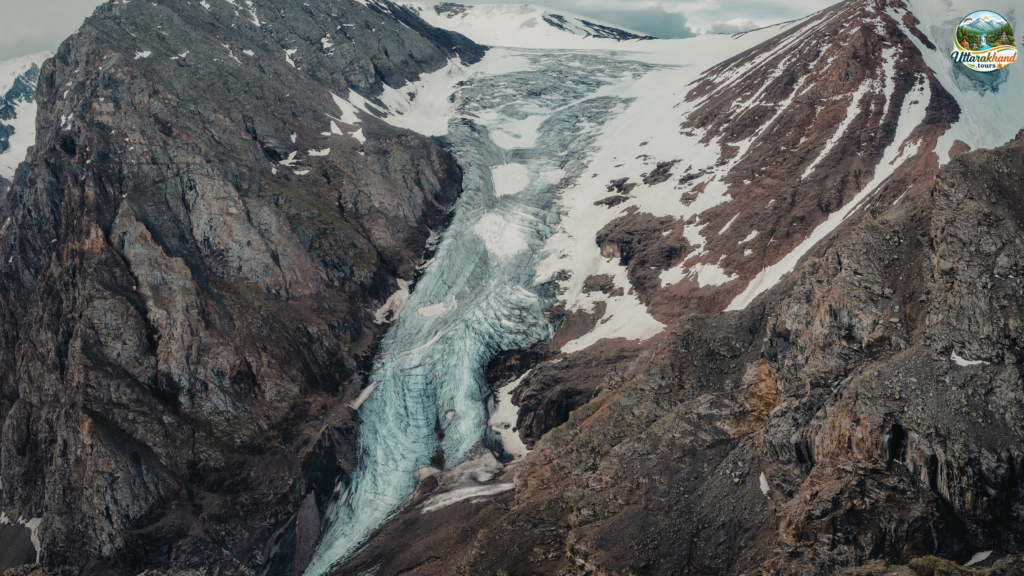
The final 1 km to Yamunotri’s glacier involves scrambling over black volcanic rock beside milky-white ice. This textural contrast—charred stone against pristine glacier—is photography gold. Pilgrims bathing in near-freezing waters add human scale to the raw landscape .
Pro Shot Tip: Shoot upward from the glacier’s edge. Frame ice formations against clear blue sky—no mountains needed when ice sculptures tell their own story. Early morning (7 AM) offers soft light that reveals ice’s internal blue veins.
Physical Reality: The trek demands fitness. Hire a palanquin if needed—your safety matters more than any shot.
21. Kempty Falls – Monsoon’s Silky Veil
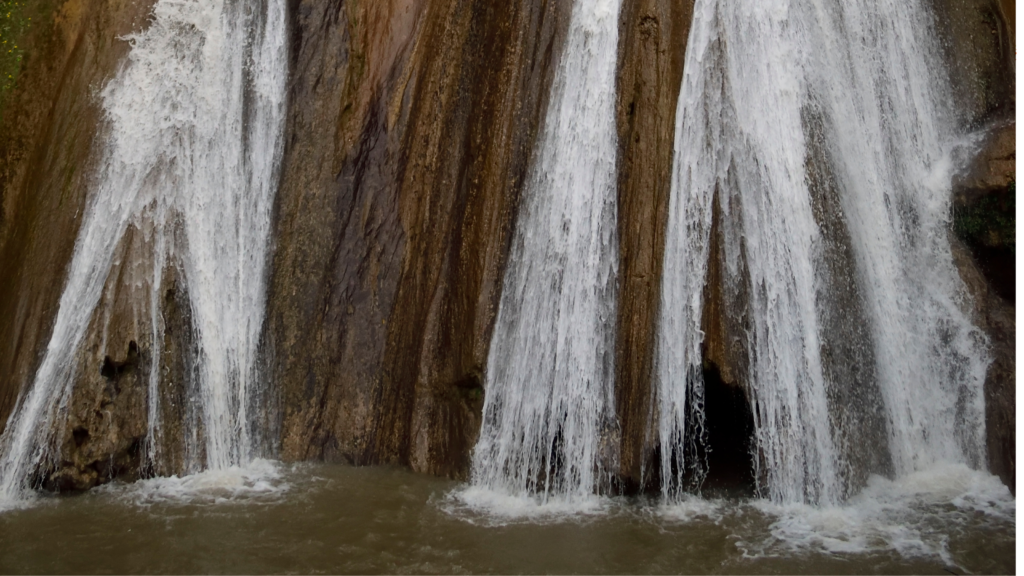
While summer visitors see a trickle, monsoon (July–Sept) transforms Kempty into a thundering 40-foot cascade. But the magic happens with shutter control: 2-second exposure turns raging water into ethereal silk while surrounding deodars stay sharp .
Pro Shot Tip: Stand on the lower viewing platform with a tripod. Use ND filter to achieve slow shutter in daylight. Include rainbows—common mid-morning when sun hits mist—to add color pops against green forest.
Safety First: Stay behind railings. Monsoon currents near falls are deceptively strong.
22. Lohaghat Tea Gardens – Himalayan Terroir
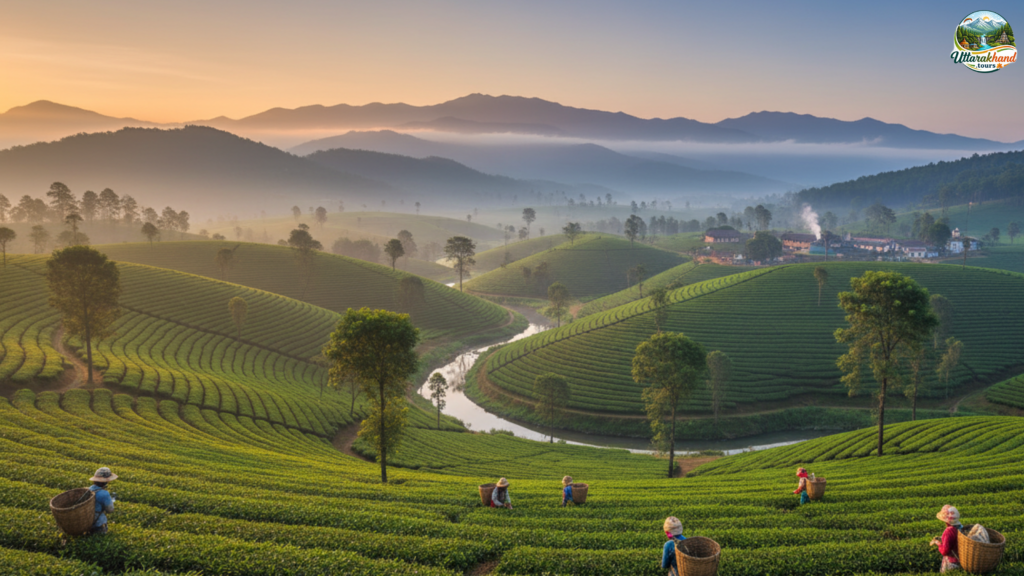
Unlike Assam’s flat plantations, Lohaghat’s tea gardens cascade down hillsides with the Panchachuli range rising behind. October–March offers clearest mountain views. Walk the garden paths at sunrise when dew glistens on leaves—each droplet catches first light like scattered diamonds .
Pro Shot Tip: Hire a local tea plucker (with owner’s permission) to pose naturally harvesting leaves. Authentic human elements beat empty landscapes every time. Use aperture f/4 to keep plucker sharp while softly blurring distant peaks.
Taste Bonus: Buy fresh tea from garden stalls. That post-shoot cuppa overlooking the very fields you photographed? That’s the real souvenir.
23. Almora’s Kasar Devi – Stars Without City Glow
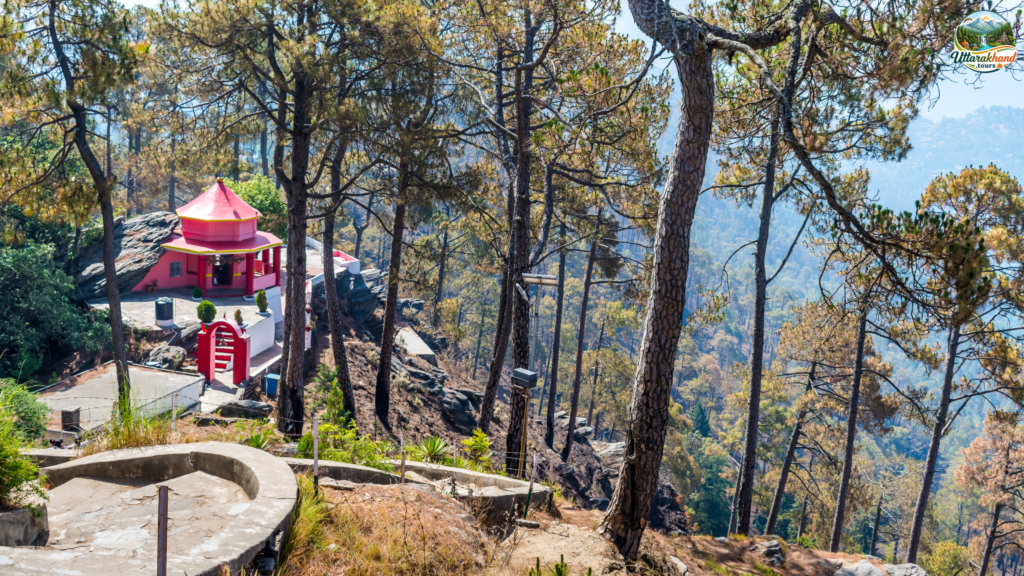
Kasar Devi’s magnetic rock formations allegedly alter consciousness—but for photographers, its real power is darkness. With zero light pollution, this ridge becomes an astrophotography haven. Milky Way arches over Nanda Devi between March–October on moonless nights .
Pro Shot Tip: Use 15-second exposures at f/2.8, ISO 3200. Foreground: ancient stone temples silhouetted against starfields. Arrive by 10 PM—clouds often roll in after midnight. Local guides know exact Milky Way alignment dates; hire one via Almora Tourism Office.
Cultural Note: This was Bob Dylan’s 1960s retreat. The vibe remains creatively charged—bring a journal alongside your camera.
24. Ranikhet’s Chaubatia Gardens – Cherry Blossom Dreams
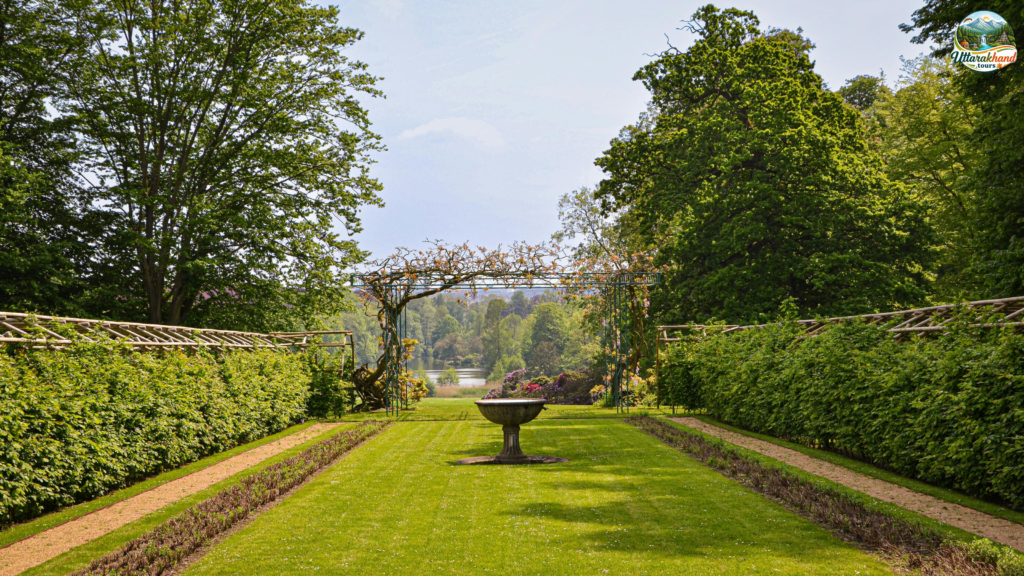
February–March transforms Chaubatia’s orchards into pink-white clouds against snow peaks. Unlike Japan’s crowded sakura spots, here you’ll share blossom tunnels with maybe two pensioners walking dogs—a serene alternative .
Pro Shot Tip: Shoot upward through branches with wide lens. Include patches of blue sky between blossoms to avoid flat white frames. Late afternoon sun backlights petals into translucent halos—ideal for dreamy portraits.
Access Note: Entry ₹50. Gardens open 9 AM–5 PM. Arrive at opening hour for dew-kissed petals before wind scatters them.
25. Pithoragarh Valley – Terraced Gold at Dusk
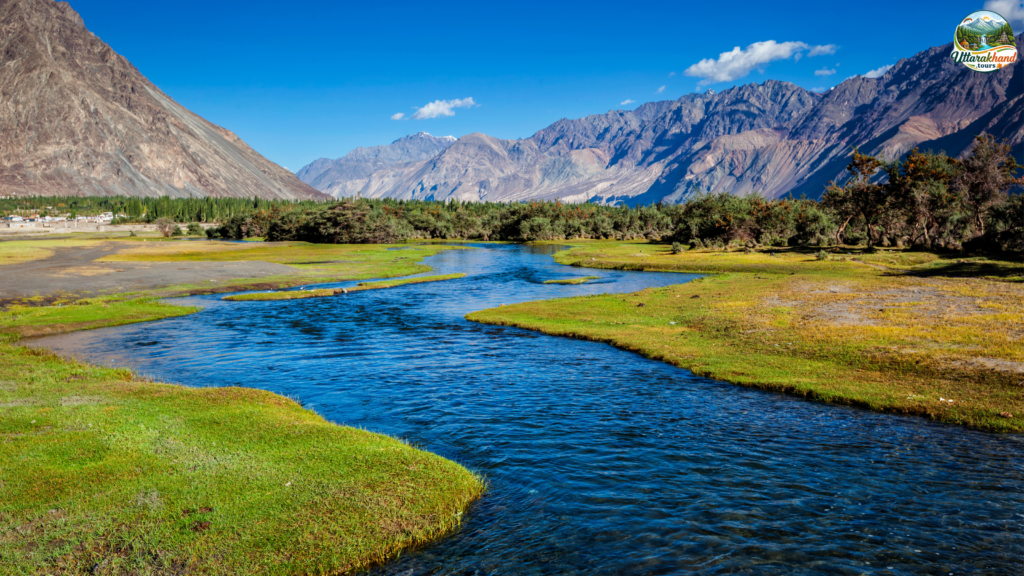
Skip the town. Drive 8 km toward Dharchula to find terraced farms carved into Himalayan slopes. September–October, as harvest approaches, these fields glow burnt gold at sunset while snow peaks blush rose behind .
Pro Shot Tip: Use drone (with permit) for aerial symmetry shots—terraces create hypnotic patterns from above. Ground-level alternative: stand on village paths with 35mm lens to capture farmers carrying grain bundles against mountain backdrops. Authenticity over aesthetics.
Human Connection: Share chai with farmers. Many invite photographers into homes for rooftop shots—perspectives Google Maps will never reveal.
Final Frame: Your Instagrammable Spots in Uttarakhand
✅ Golden Hours Rule: 6–8 AM and 4–6 PM only—Uttarakhand’s midday sun murders colors
✅ Pack Light but Smart: Polarizing filter (water shots), tripod (dawn/dusk), rain cover (monsoon)
✅ Respect > Likes: Never trespass restricted zones. Never disturb wildlife for “the shot.”
✅ Local Intel Wins: Chat with homestay owners—they’ll reveal secret viewpoints Google Maps misses
Uttarakhand doesn’t reward rushed tourists. It gifts its beauty to those who wait for the light to shift, the mist to part, the moment to breathe. Your camera’s ready. Now go earn those likes—the honest way.
