
Badrinath vs Kedarnath: Which Dham Should You Visit First for an Epic Yatra?

The first time I stood between the roaring Alaknanda and the icy Mandakini, I felt it—that deep, confusing pull every pilgrim faces. The Himalayas don’t just call you; they test you. Should you chase Lord Vishnu’s serene blessings at Badrinath first, or surrender to Lord Shiva’s raw power at Kedarnath?
Badrinath vs Kedarnath – which to visit first isn’t just a travel dilemma. It’s the question that decides whether your Do Dham Yatra feels like a peaceful blessing or a soul-stirring adventure. One offers easy roads, hot springs, and family-friendly calm. The other demands a tough trek through mist and mountains, where every step feels like penance.
As someone who has guided over 50 families through these sacred Garhwal valleys (and walked both routes multiple times), I’ll tell you the honest truth: the “right” order depends on your fitness, faith, and how you want to feel when the temple bells ring. In this immersive 2026 guide, we’ll compare everything—access, vibes, crowds, costs—so you can plan a journey that feels divinely yours. Let’s dive in. Jai Badri Kedar! 🙏
Overview of the Destination: Badrinath and Kedarnath in the Heart of Uttarakhand
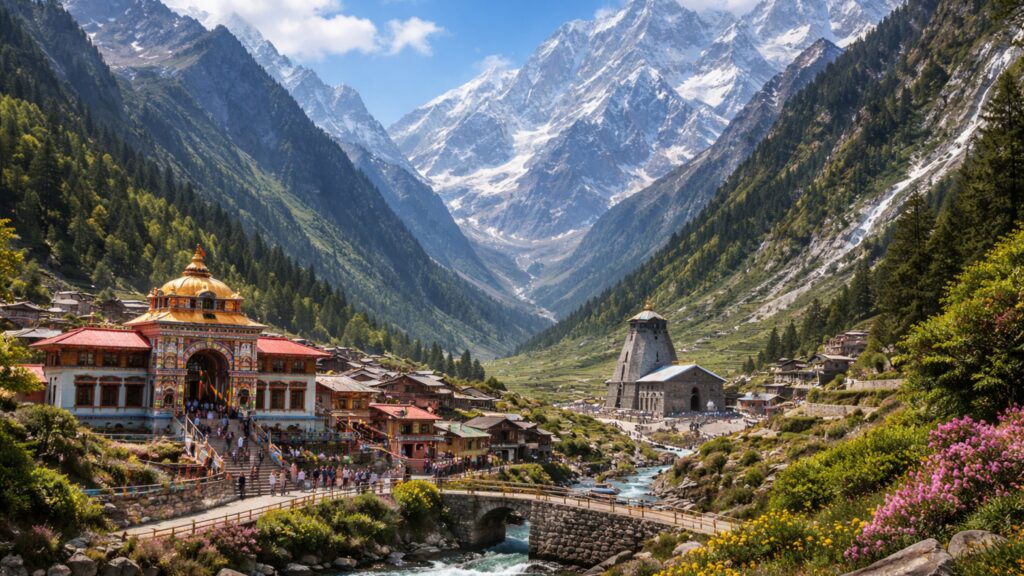
Nestled deep in the Garhwal Himalayas of Uttarakhand, Badrinath and Kedarnath form the soul of the Do Dham Yatra—a shorter, powerful version of the legendary Char Dham circuit. These two ancient shrines, just 218 km apart by road, represent two faces of the divine: Vishnu’s preserving grace and Shiva’s transformative fire.
Badrinath sits at 3,133 meters along the crystal-clear Alaknanda River, surrounded by snow-draped peaks and the mystical Mana Village. The air here carries the faint scent of juniper and temple incense; you hear the constant rush of the river and the soft chanting of “Om Namo Narayanaya.” It feels welcoming, almost like a high-altitude hill town where families stroll after darshan and warm themselves at the Tapt Kund hot springs.
Kedarnath, at a steeper 3,583 meters, rises dramatically amid glaciers and the Mandakini River. The 16–18 km trek from Gaurikund strips away distractions—your breath comes heavy, your legs burn, but the reward is electric silence broken only by temple bells echoing off sheer cliffs. The energy is raw, purifying, almost fierce. Legend says the Pandavas built the Kedarnath temple after the Mahabharata war; Badrinath is where Lord Vishnu meditated as Nara-Narayana.
Together, they embody Devbhumi—Land of the Gods. In 2026, with temples opening on April 22 (Kedarnath) and April 23 (Badrinath), the yatra season promises fresh snow views and fewer early crowds if you time it right. Whether you seek comfort or challenge, these twin dhams deliver Himalayan magic that lingers long after you return home.
Best Places to Visit: Hidden Gems Around Badrinath and Kedarnath
When travelers ask me what makes a Do Dham Yatra truly special, I always tell them the same thing: the temples are divine, but the hidden gems around them are where the mountains reveal their real magic. These lesser-known spots blend mythology, nature, and peace in ways that stay with you long after the trip ends.
Hidden Gems in and Around Badrinath

Mana Village – India’s Last Border Village Just 3 km from Badrinath Temple lies Mana Village, a living slice of Himalayan culture. Stone houses with slate roofs, narrow winding lanes, and the faint smell of wood smoke and fresh roti greet you as you walk in. Local women in colorful woollen shawls weave traditional patterns while children play near the roaring Saraswati River. This is officially India’s last inhabited village before the Indo-Tibetan border. The crisp mountain air feels refreshing, and the entire place carries a quiet, timeless charm.
Bheem Pul and Vyas Gufa A short walk from Mana brings you to Bheem Pul – a massive natural boulder that legend says Bhima placed across the turbulent Saraswati River for Draupadi. Standing on it, you can feel the powerful spray of the river below. Nearby is Vyas Gufa (Vyasa Cave), where Sage Vyasa is believed to have composed the Mahabharata. The cave has a peaceful, almost meditative energy that many pilgrims find deeply moving.
Vasudhara Waterfall For those who love a gentle trek, the 5–6 km trail to Vasudhara Falls is worth every step. The milky-white cascade drops dramatically from a glacier, creating misty rainbows when the sun hits just right. The sound of crashing water echoes through the valley, and the fresh, cold spray on your face feels incredibly refreshing after temple darshan.
Hidden Gems in and Around Kedarnath
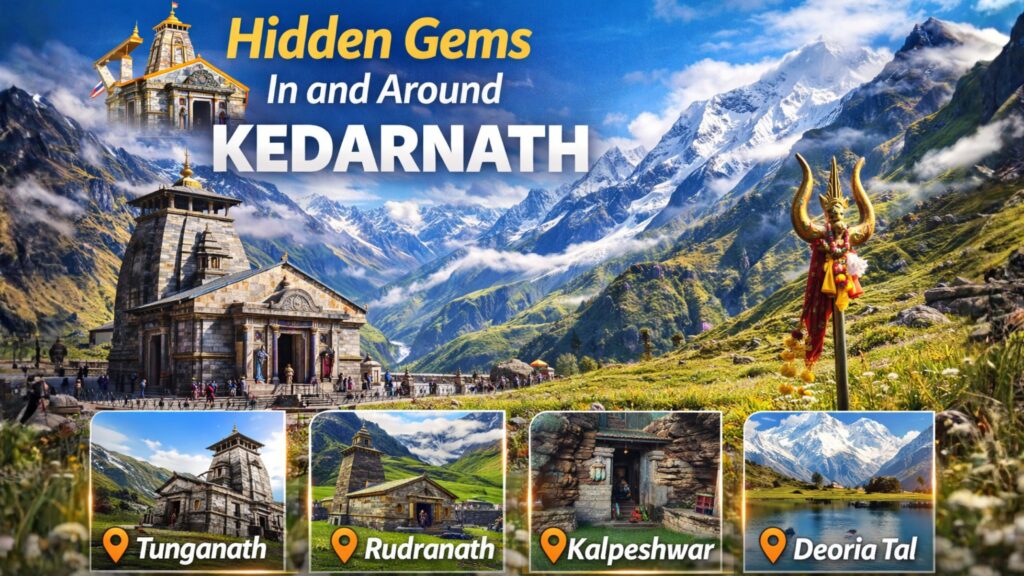
Chorabari Tal (Gandhi Sarovar) Just 1.5–2 km uphill from Kedarnath Temple lies this serene glacial lake. The still, turquoise waters perfectly mirror the snow-covered Kedarnath peak and surrounding glaciers. Early morning or late afternoon, the silence here is profound – only the soft wind and occasional prayer flags flapping break the quiet. It’s a perfect spot for quiet reflection and breathtaking photographs.
Bhairavnath Temple A short but steep climb behind the main Kedarnath shrine leads to the Bhairavnath Temple. This small shrine is believed to guard the dham during winter when the main temple remains closed. From here, you get sweeping panoramic views of the entire Kedarnath valley, the temple below, and the dramatic Himalayan peaks. The effort is rewarded with a sense of awe and accomplishment.
Shankaracharya Samadhi Tucked quietly just behind the Kedarnath Temple is the samadhi of Adi Shankaracharya. This peaceful spot offers a calm place for sitting, praying, or simply absorbing the powerful spiritual energy of the region. Many devotees find it more intimate and less crowded than the main temple area.
These hidden gems turn your Badrinath vs Kedarnath journey into something far richer than just temple visits. They give you space to breathe, reflect, and connect with both the divine and the raw beauty of the Garhwal Himalayas.
Things to Do: Experiences That Make the Journey Unforgettable

Here are my favorite hands-on activities—each one blending faith, adventure, and those “wow” moments every traveler craves:
- Take the holy dip at Tapt Kund (Badrinath): Feel the warm sulphur water melt away fatigue while snowflakes dance above. It’s the perfect way to prepare for darshan—refreshing, spiritual, and oddly addictive.
- Trek to Mana Village and Vyas Gufa (Badrinath): Walk through narrow stone lanes smelling of pine and hear ancient stories from villagers. The cave where Vyasa composed the epic feels alive with energy. Pure magic for mythology lovers.
- Experience the evening aarti at Badrinath Temple: As bells ring and lamps glow against the dark mountains, the collective “Har Har Mahadev” chant gives goosebumps. The cold mountain air and flickering flames create an unforgettable devotional high.
- Conquer the Kedarnath Trek (or fly by helicopter): Whether you walk the 18 km path hearing the Mandakini roar or soar above clouds, the first sight of the temple against glaciers hits like a thunderbolt. Raw, humbling, life-changing.
- Visit Chorabari Tal (Gandhi Sarovar): A short post-darshan walk to this glacial lake where silence wraps around you like a shawl. The reflection of snow peaks and fluttering prayer flags feels meditative and deeply peaceful.
- Shop for local woolens and prasad in Badrinath market: Bargain for warm shawls while the scent of fresh jalebis and incense fills the crisp air—perfect for souvenirs with soul.
- Join community bhajans near Kedarnath base camps: Sit with fellow yatris under starry skies, singing kirtans as cold wind whispers through tents. The shared faith warms the heart more than any heater.
These aren’t just “to-dos”—they’re the moments you’ll replay years later.
Best Time to Visit Badrinath vs Kedarnath in 2026: Seasonal Insights

Timing is everything in the Himalayas. The 2026 season opens with Kedarnath on April 22 and Badrinath on April 23—perfect for early birds wanting fresh snow and thinner crowds.
May–June (Peak Summer): My top recommendation for most travelers. Days are sunny (10–18°C), nights chilly. Roads are clear, views crisp, and flowers carpet the valleys. Perfect for families and first-timers. Expect crowds, but the energy is electric.
July–August (Monsoon): Avoid if possible. Heavy rains trigger landslides; helicopter services often cancel. The trek becomes slippery and risky—save this for hardcore adventurers only.
September–October (Post-Monsoon): My personal favorite for peace-seekers. Skies are crystal clear, crowds thin out, and autumn colors paint the mountains golden. Temperatures drop (5–15°C), but the spiritual calm is unmatched. Fewer queues, better photographs, and that crisp Himalayan air feels purifying.
November onwards: Temples close by mid-November. Only visit if you love snow and don’t mind freezing conditions.
Pro tip: Book everything by March 2026—hotels and helicopters fill fast.
How to Reach Badrinath and Kedarnath
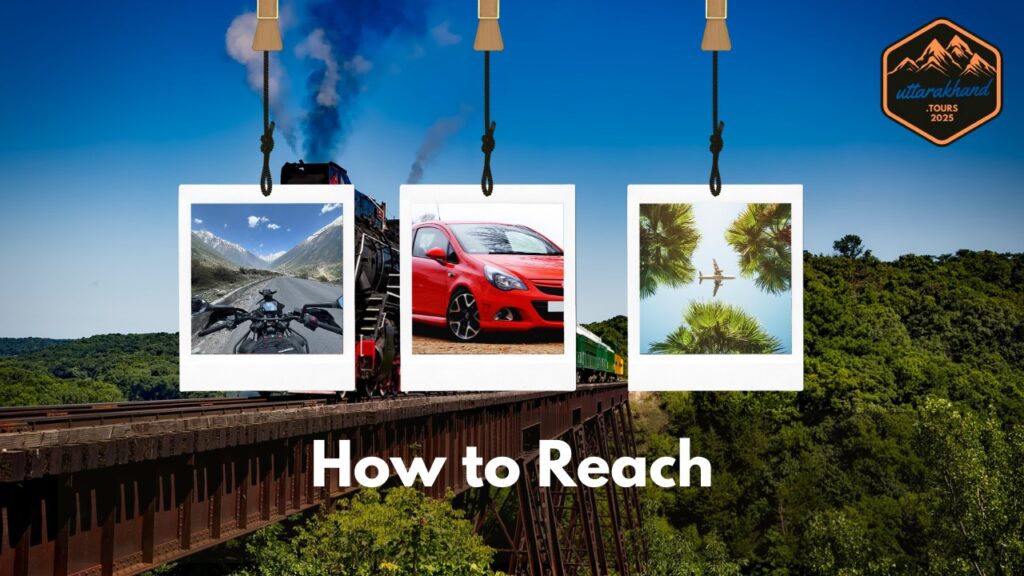
Reaching these dhams is straightforward but requires planning. Fly into Jolly Grant Airport, Dehradun (most convenient), then take a taxi or bus (10–12 hours to either base). Trains stop at Haridwar or Rishikesh (no direct rail to the temples). From there, shared taxis, private cabs, or GMOU buses run daily via scenic NH-7.
Badrinath is fully road-accessible (520 km from Delhi, 10–14 hours). For Kedarnath, road ends at Sonprayag/Gaurikund—then trek or helicopter. Total road distance between the two dhams is about 218 km (8–10 hours via Rudraprayag).
Where to Stay: Budget to Luxury Options for Every Traveler
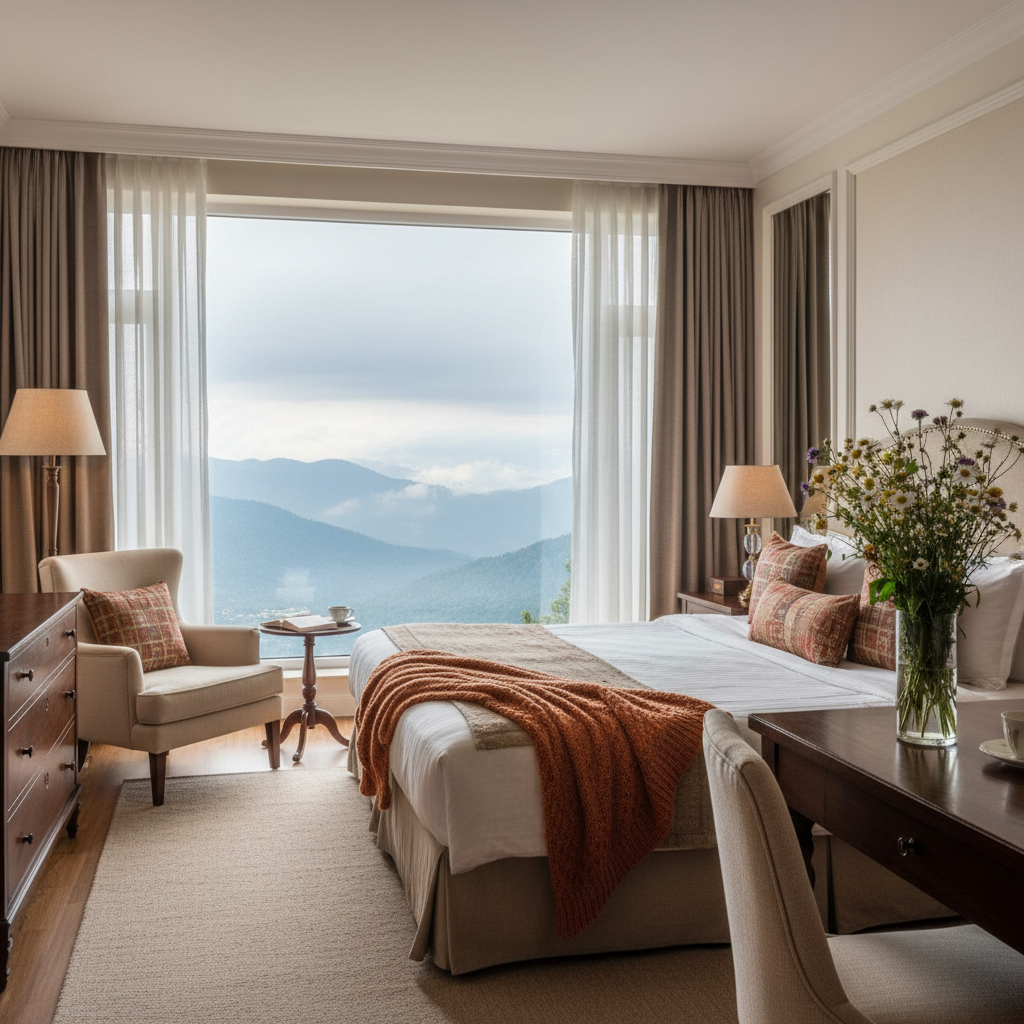
Budget (₹800–1,800/night): GMVN Tourist Rest Houses in both dhams offer clean, no-frills rooms with hot water (timed) and basic meals. In Badrinath, try Nar Narayan Guest House—simple, central, and pilgrim-friendly. In Kedarnath base (Guptkashi), Bharat Sevashram Sangha feels like a warm ashram with sattvic food. Great for mid-range Indian families watching costs.
Mid-Range (₹2,000–4,500/night): Hotel Kuber Palace or Hotel Laxmi Divine in Badrinath—spacious rooms, balconies with mountain views, and decent Wi-Fi. Near Kedarnath, Kedar Valley Resort in Sonprayag offers comfort after the trek. Expect clean linens, attached baths, and helpful staff who understand yatra fatigue.
Luxury (₹5,000–12,000+/night): Sarovar Portico or Park Inn in Badrinath deliver modern comforts—room heaters, multi-cuisine restaurants, and spa-like vibes at high altitude. For Kedarnath, helicopter packages often include premium tented camps with attached baths and hot meals. Worth it for families wanting rest after tough days.
Book 3–4 months ahead via uttarakhand.tours for best rates and free cancellations.
Local Food & Culture: Taste the Soul of Garhwal
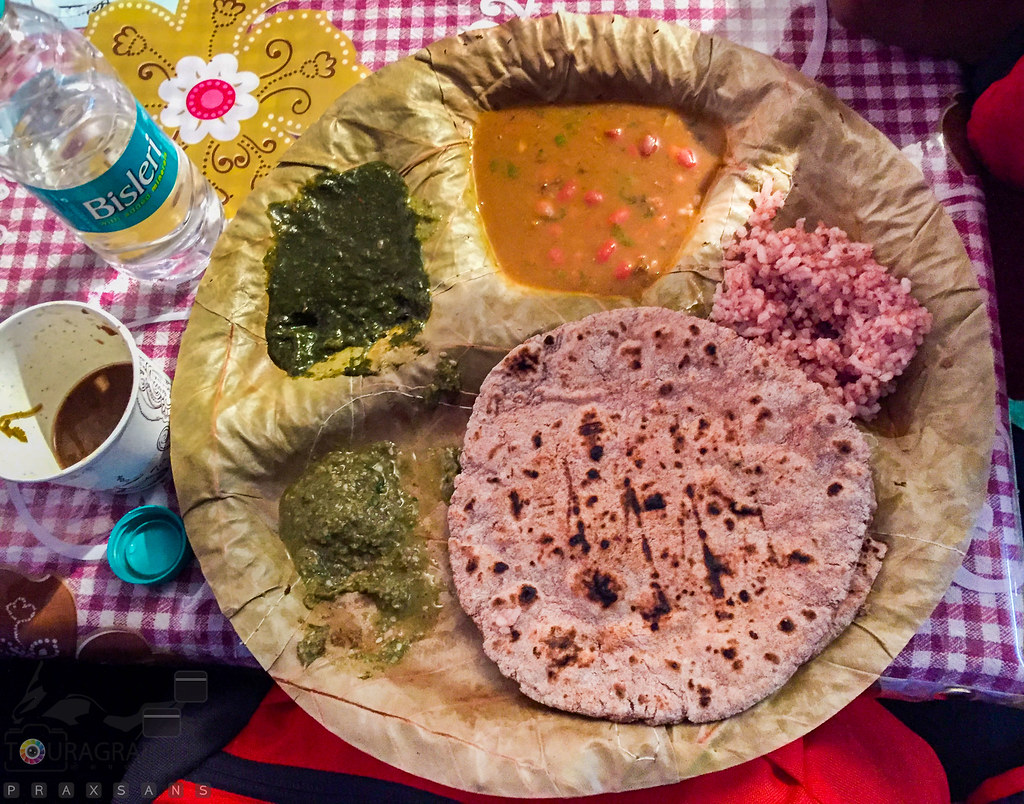
Garhwali food is simple, hearty, and deeply comforting after long journeys. Expect fresh mountain ingredients—buckwheat (kuttu), red rice (jhangora), and seasonal greens.
Must-try dishes:
- Chainsoo – a thick black-gram dal with garlic tempering that warms you from inside.
- Kafuli – spinach-fenugreek curry cooked in mustard oil—earthy and nutritious.
- Phaanu – lentil gravy with yogurt, perfect with mandua (finger millet) roti.
- Jhangore ki Kheer – sweet pudding made from local red rice—temple prasad at its best.
In Badrinath, grab hot jalebis and chai from roadside stalls as evening aarti bells ring. Kedarnath camps serve simple sattvic thalis—no onion-garlic, just pure flavors. Culturally, the region breathes devotion—locals greet with “Jai Badri Kedar,” women wear vibrant woolen shawls, and every evening feels like a festival of faith. The culture here teaches humility: respect the mountains, and they’ll bless you back.
Travel Tips: Practical Advice from a Seasoned Yatri

- Acclimatize properly: Spend one night in Joshimath or Guptkashi before heading higher. Drink lots of water, avoid alcohol.
- Health & Safety: Carry diamox for altitude, raincoat, good trekking shoes, and a power bank. Download offline maps—signal is patchy.
- Registration: Mandatory via registrationandtouristcare.uk.gov.in. Book helicopter (Kedarnath) early.
- Cash is king: ATMs are limited—carry enough.
- Eco-friendly: Use biodegradable offerings; don’t litter the sacred rivers.
- For families/seniors: Choose Badrinath first and opt for pony/palanquin on Kedarnath trek.
Always check weather on uttarakhandtourism.gov.in before travel.
Suggested 5-Day Do Dham Itinerary (Budget + Mid-Range Friendly)
| Day | Route & Activities | Stay | Approx. Cost (per person) |
|---|---|---|---|
| 1 | Rishikesh → Badrinath (via Joshimath) | Badrinath (mid-range) | ₹2,500–3,500 |
| 2 | Badrinath darshan + Mana Village + Tapt Kund | Badrinath | ₹1,000–1,500 |
| 3 | Badrinath → Guptkashi (8–10 hrs drive) | Guptkashi | ₹2,000–3,000 |
| 4 | Kedarnath trek/helicopter + darshan + return | Guptkashi | ₹3,500–6,000 (incl. heli) |
| 5 | Guptkashi → Rishikesh/Haridwar | Home | ₹1,500–2,000 |
Total estimated cost (mid-range, 2 people sharing): ₹18,000–28,000 per person including transport, stay, food, and basic darshan. Add ₹8,000–12,000 for helicopter. KNOW HELICOPTER SERVICE FOR CHAR DHAM YATRA
FAQs About Badrinath vs Kedarnath – Which to Visit First?
1. Which is better to visit first – Badrinath or Kedarnath?
2. Is the Kedarnath trek difficult for seniors?
3. What is the 2026 opening date for both temples?
4. How much does a Do Dham Yatra cost in 2026?
5. Can I do both in one trip without helicopter?
6. Which has better infrastructure?
7. Is September 2026 a good time?
8. Do I need to register for the Yatra?
Conclusion: Your Divine Journey Awaits
Badrinath and Kedarnath aren’t competing—they complete each other. One soothes with Vishnu’s calm; the other awakens with Shiva’s fire. Whether you start with the gentle road to Badri or the challenging path to Kedar, the Himalayas will reshape you.
Ready to create your own unforgettable story? Drop your travel dates in the comments below or check our Char Dham Yatra 2026 Packages and Kedarnath Helicopter Booking Guide on uttarakhand.tours.
Let the mountains call you home. Pack light, travel with faith, and come back transformed.
Jai Badri Kedar! Har Har Mahadev! 🏔️🙏

One thought on “Badrinath vs Kedarnath – Which to Visit First? Your Ultimate 2026 Do Dham Yatra Guide”