
Nag Tibba Trek 2025
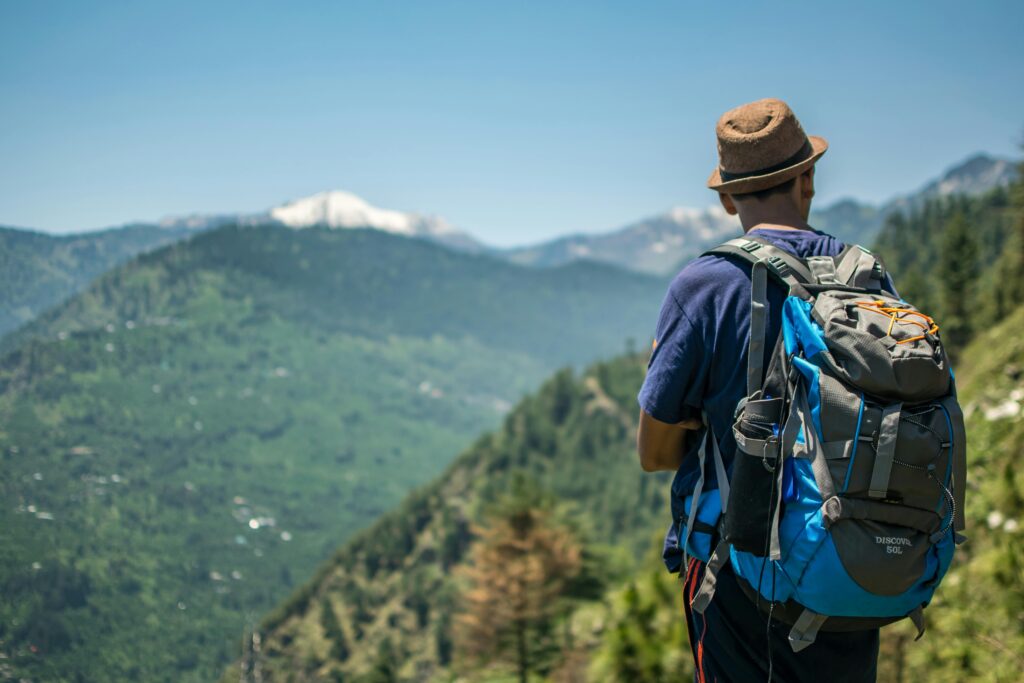
Hidden in the Garhwal Himalayas of Uttarakhand, the Nag Tibba Trek is an ideal weekend expedition for adventure lovers, with views of snow-laden peaks including Bandarpoonch, Swargarohini, and Gangotri at 3022 m (9,915 feet). Indian Everest Trek: 5 Days AKA Panchase Trek Often referred to as the “Serpent’s Peak” this a good easy trek for those in a hurry for a taste of the Himalayas.
Beginning from Pantwari village, which is just a 4–5-hour drive from Dehradun, the 16–20 km round-trip trail meanders through thick forests, lush meadows, and remote hamlets, making it an ideal trek for beginners as well as families and solo travellers.
Touted to be your 2025 resolution, experience the Nag Tibba Trek which is brimming with life, myth and with commoners of cities. This article will take you through the itinerary, when to go, cultural highlights, and important tips for planning your trip.
Nag Tibba Trek Brief Description
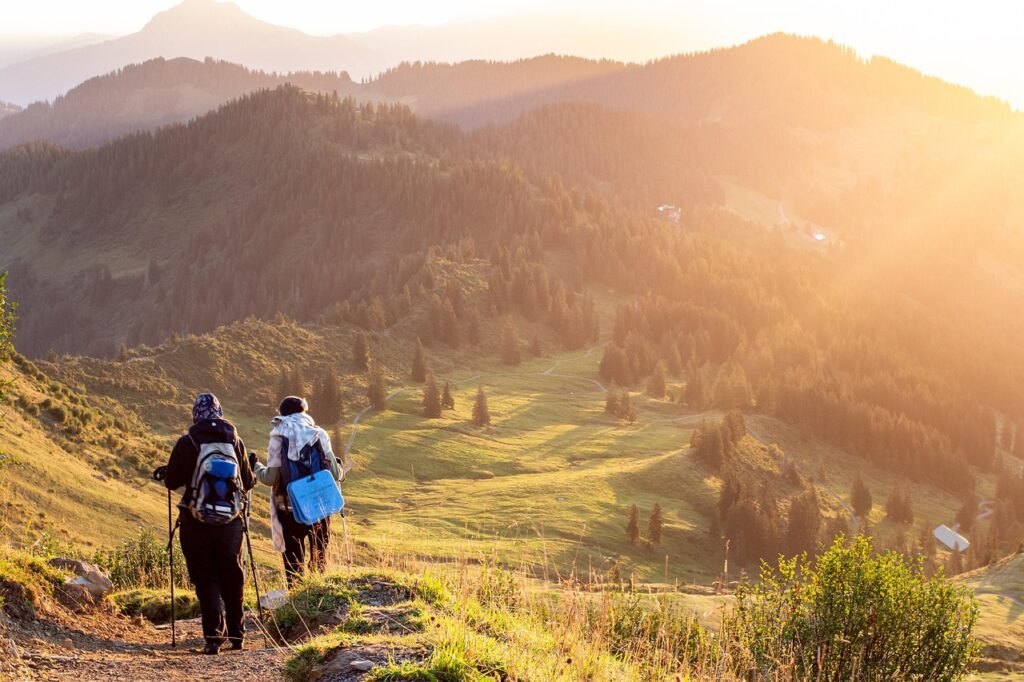
Nag Tibba Trek is a 16- to 20-kilometre (10 to 12 mi) trek, starting its ascent from Pantwari, which is 57 kilometres from Mussoorie; Pantwari is on Mussoorie -Barkot road, lying in the Nag Tibba Range of the Garhwal Himalayas, Uttarakhand, India. Worshiped as ‘The abode of Nag Devta (Serpen God), it is also a place of religious glaciation for local people and they used to visit the Nag temple situated at top.
The trek begins from Pantwari village (1,400 meters) and goes through the thick oak and rhododendron forests, copious meadows and the base camp at Nag Tibba Base (2,600 meters) after which one reaches the summit at 3,022 meters.
It is one of the best treks for beginners because of its moderate level of difficulty and short duration (2–3 days), whose trek provides the complete 360 degree view of himalayan peaks including Kedarkantha, Kala Nag. With it being only around 85km from Dehradun and 330km from Delhi, it is a well-loved weekend destination, which succeeds in offering a mix of adventure and calmness in the lap of the Garhwal Himalaya.
itinerary for Nag Tibba Trek
Highlights of Nag Tibba Trek Trek in Uttarakhand: This short trek offers stunning views of the Bandarpoonch, Swargarohini, Gangotri and Kedarnath ranges.The drive to the base camp takes you alongside the banks of the holy Ganges and sacred rivers.You can notice a largest Shivratri feist during the early stages of this weekend trek and camp in the homestays.
Day 1: Dehradun to Pantwari (Drive: 85 km, 4 – 5 hours to Nag Tibba Base (Trek: 5 – 6 km, 3 – 4 hours)
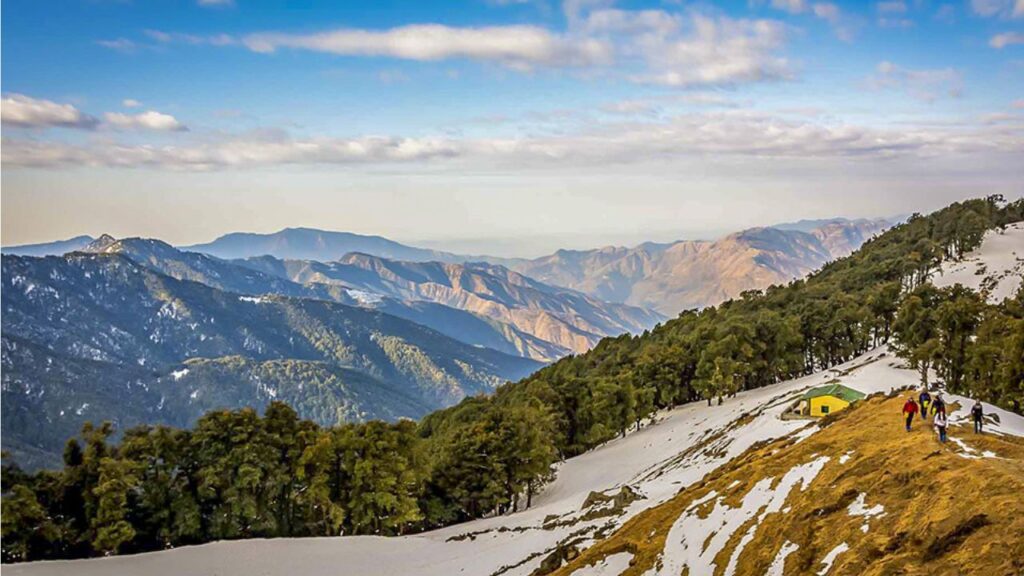
Day 1 – Drive from Dehradun to Pantwari (2,200m) (85 km) (4–5 Hours) | Pantwari to Nag Tibba (3,048m) (8 km) (4 hours) Nag Tibba Trek commences with a picturesque drive from Dehradun to Pantwari village which is 85 km away and will take about 4–5 hours.
The route traces Mussoorie’s lush hills and the Yamuna valley, if selectively glimpsed back to the shacks and mole-covered cows of rural Uttarakhand. Pantwari (1,400 meters) to Nag Tibba Base (2,600 meters) Trek 5-6 km Trek climbs gradually through pine and oak forest. There is a good trail, with some streams and shepherd huts along the way.
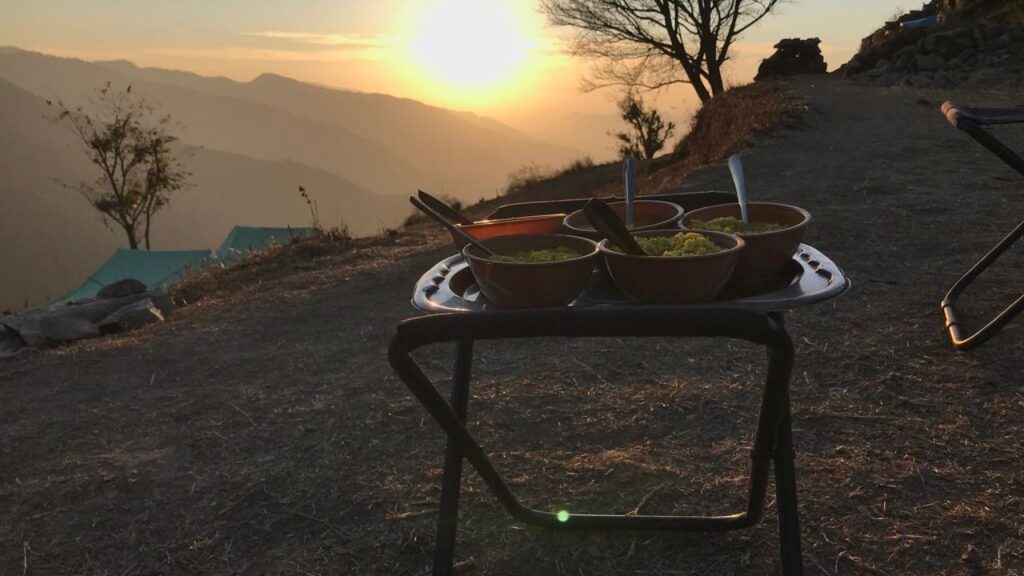
Descend to your base camp by early afternoon, a peaceful meadow where you camp for the night. Dig into a hot meal (often something the locals eat, such as dal and roti) and a starry night. Take a power bank (no electricity) and arrange transport in advance (shared taxis, ₹300-500, private ₹2,000-3,000).
Day 2: Nag Tibba Base to Nag Tibba Summit and Back to Pantwari (Trek: 8-10 km, 5 -7 hours) or Back to Dehradun
Begin early with a trek 3–4 kilometers (2–2.5 miles) to the Nag Tibba Summit (3,022 meters/9,915 feet), for an ascent that takes 2–3 hours through rhododendron trees and stone trails. The peak provides panoramic views of Bandarpoonch, Swargarohini, Gangotri and Kedarkantha peaks- a photographer’s dream. You will visit the Nag Devta temple, a tiny shrine worshipped by the localities and experience the peace and tranquility of Himalayas.
Trek down to Nag Tibba Base (1-2 hrs) and further to Pantwari (3-4 hrs, 5-6 km) for the day return. Alternatively, stay overnight at the base for comfortable pacing, and hike back to Pantwari on Day 3, followed by a drive to Dehradun (4 to 5 hours). The gradient is gradual but you need to have a good grip to prevent slipping so sturdy shoes are essential. The end of your trekking will be celebrated with a local lunch at Pantwari.
Day 3 (Optional): Pantwari to Dehradun (Drive 85 km, Approximately 4–5 hours)
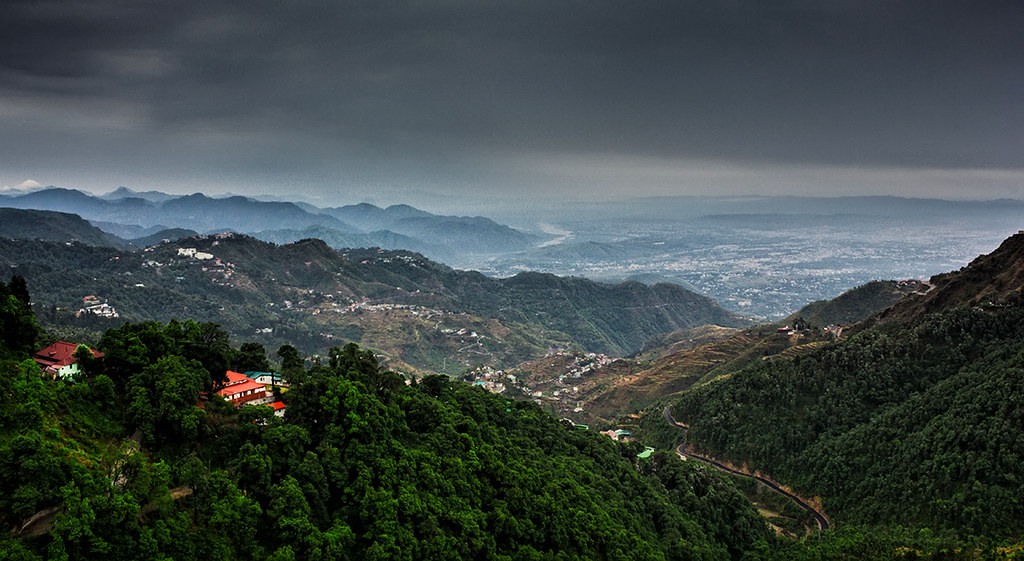
Those with a 3-day itinerary that include camping at Nag Tibba Base after the summit can spend Day 2 soaking in the meadow’s serenity. Day 3 Return 5–6 km to Pantwari and reach there by afternoon. Leave for Dehradun (85 kms) after B/F. Arrive Dehradun by evening. The return trip provides one final view of the Garhwal Hills. Book an overnight stay if journey discontinue in Dehradun. This leisurely pace is great for families, or for those who wish to leave plenty of time to take in the beauty of the trail.
Best Time to Visit Nag Tibba Trek
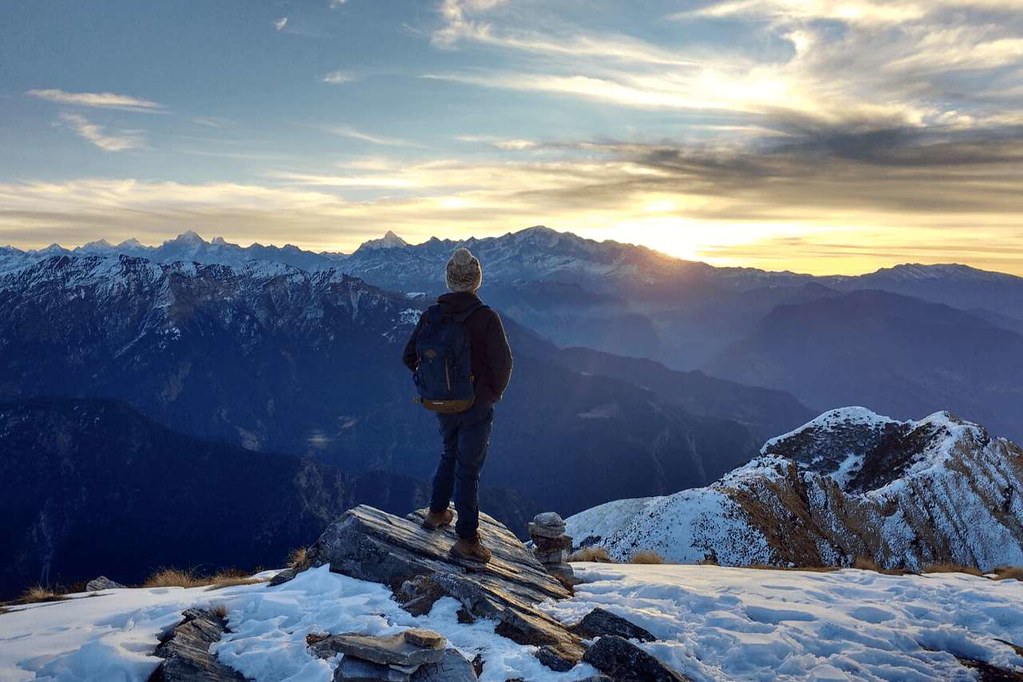
The Nag Tibba Trek can be undertaken throughout the year except during the peak monsoon months (July-Aug). Spring (March–April) – 5–20°C) – Good weather and view, rhododendron flowers on bloom and suitable for beginners, family. Summer (May–June) is warm (10–25°C) with green foliage, great for a day trip away from the city and out of the heat.
Autumn (September through November) brings cool air (0-15°C) and golden scenery as well as spectacular sunsets, popular among photographers. Trail becomes a snow paradise (December to February: -5to10°C) Provides cheaper snow trekking for everybody.
Avoid the monsoon season as trails are slippery and prone to landslides. Spring and fall provide the easiest tracks while winter provides an exhilarating challenge. Keep an eye on the weather and pack layers for varying temperatures.
Cultural and Mythological Significance
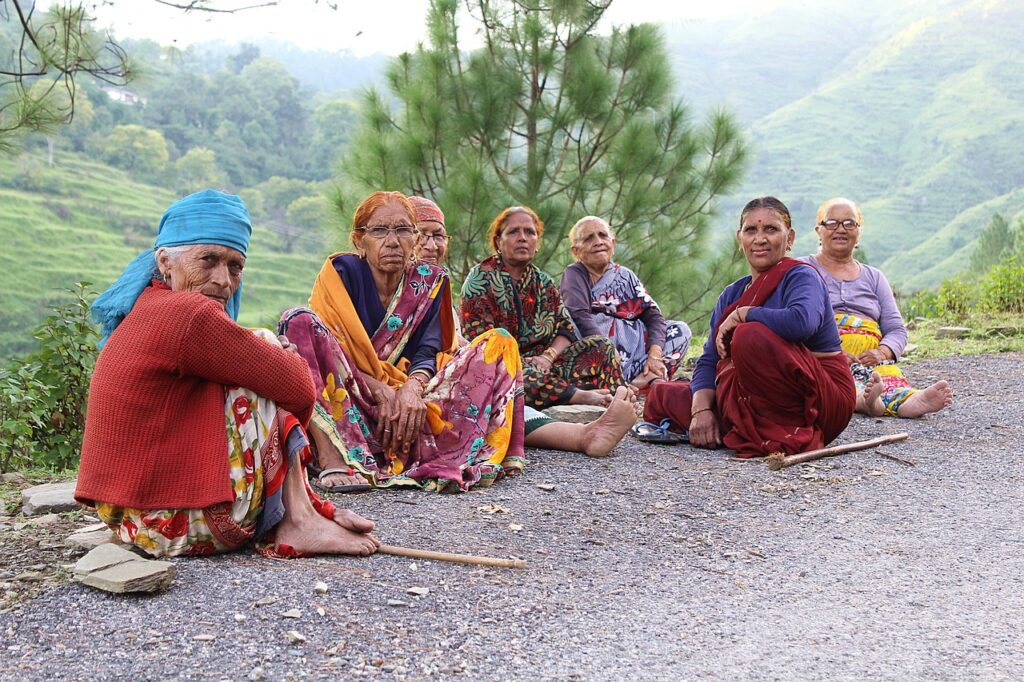
Mythology: Nag Tibba Trek- The trail got its name from the local mythology, meaning “Serpent’s Peak”, which refers to the “Serpent God” Nag Devta who are worshipped by people of Garhwali community. There is a Nag temple situated near the peak, which is the holiest place and every visitor offers prayer to the God Nag for prosperity and protection.
Villages like Pantwari and Bhatwadi provide an insight into Garhwali culture, with their wooden traditional houses, warm residents and festive atmosphere as is seen during Nag Devta Mela. It’s got historical charm as a pastoral route, with shepherds’ huts scattered along the trail.
Haggle with the local people to find out about their customs, and relish Garhwali food such as manduva roti (chapatti made from finger millets), and jakhiya flavored dal. This cultural experience, paired with natural beauty of the trek, makes Nag Tibba an adventure in heritage culture for trekkers looking beyond views of peaks.
Flora, Fauna, and Scenic Highlights
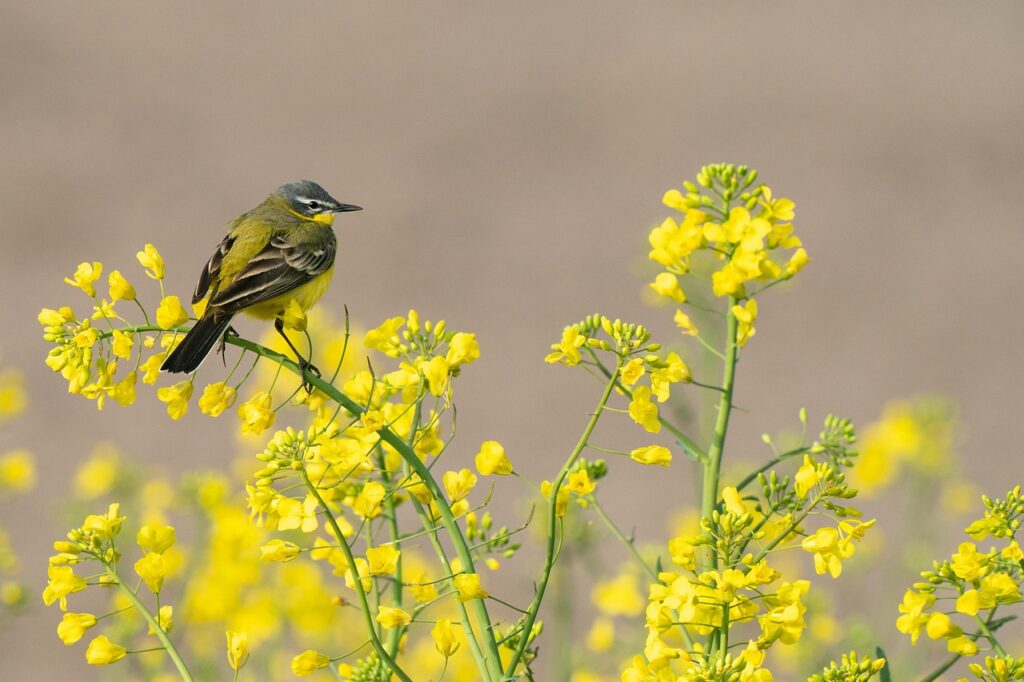
The Nag Tibba Trek takes you through the bio-diverse expanse in the Nag Tibba Range. In spring and summer you’ll be surrounded by colorful meadows filled with rhododendrons, marigolds and primulas, and in winter, snow coats the trail. The oak & deodar covered forests shelter Himalayan birds like the Monal & Woodpecker. The jeep safari also gives good opportunity to spot barking deer & langurs.
The panoramic 360-degree views of Bandarpoonch, Swargarohini, and the Gangotri range are a standout, especially at sunrise. The Kathian camp, a carpeted meadow, makes for a peaceful site to pitch your tent, while mountain streams on approach to the pass add calm. Photographers will get majestic shots of green meadows against snow-capped peaks. The trail is unspoiled scenic & wildlife haven for nature lovers, perfect break away from city life.
Trek Difficulty and Preparation
Nag Tibba Trek is graded as easy to moderate, therefore it is perfect for both first-timers and families with kids over 8 years. The 16-20-kilometre round trip has daily excursions of 5-8 kilometers, reaching a peak of up to 3,022 meters. The ascent is gradual except for a few steep sections at the top. Start training 2–4 weeks beforehand, supplementing with cardio (running, cycling) and leg exercises (squats, lunges) to cope with 3–5 hours of daily trekking.
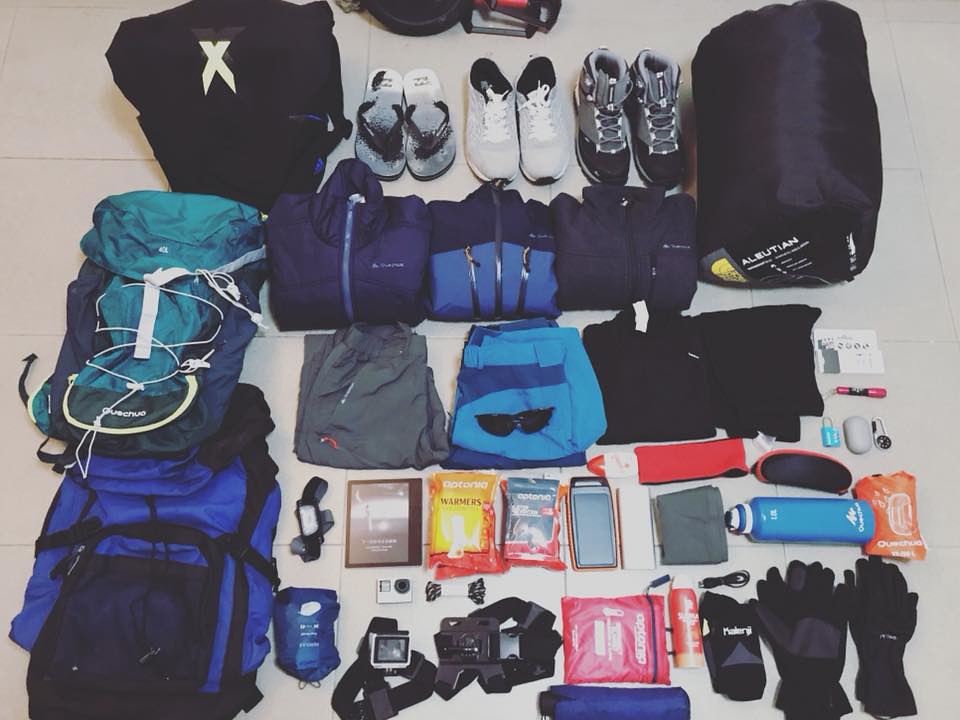
What To bring Footwear: Trekking boots, Firm soles are recommended ones (Preferably slip resist), or solid shoes; Camps shoes recommended, Base Layer: Synthetic under wares, middle and outer layers; Socks: 2-3 pairs of woolen/ nylon socks; Over Layer: Down jacket, windproof, waterproof and breathable outer layer; Backpack: 20-30 liter rucksack;
Clothes/ Equipment: Down jackets, T-shirts, a vest, lightweight long sleeve trekking shirts; Light, colorful Neck scarves, Sunglasses, Water bottles, Raincoat, Strong headlamp, Battery, Sleeping bag suitable for below zero degrees Celsius(temp.3-4), and with an insulation ground pad are required for sleeping in tents.
Carry a headlamp, water bottle, and snacks as the facilities are sparse. It’s OK if you’ve never trekked before, but a level of physical fitness will add to the enjoyment. Safeguards are in place to ensure the safety of guided tours that can also offer local expertise.
How to reach the base of the Nag Tibba Trek
Getting There By Air: The nearest airport, Jolly Grant Airport, Dehradun is connected with Delhi (INR 3,000–6,000) Mumbai, and Bangalore. Take a taxi/car from the airport (2,000–3,000 INR) or shared cab (300–500 INR) to Pantwari (85 km, 4–5 hours).
Getting There By train: Dehradun Railway Station, which is served by trains such as the Jan Shatabdi from Delhi (from 300-1,000 INR) is the nearest. From there, hire a cab or a bus to Pantwari.
Getting There By Road: Drive or board a state bus from Dehradun to Pantwari through Mussoorie. Organized transport (INR 800–1,200 one-way) by agencies such as Trek The Himalayas. The road is scenic but twisty, so plan to leave early.
Trek Cost and Inclusions

- Tours 2-3-day escorted tours to the Nag Tibba Trek cost ₹4,000-8,000 per person, depending on the number of people in the group and the season.
- Package includes travel from Dehradun to Pantwari, guesthouse/tents, meals (breakfast, lunch, dinner), guides and forest permits (100-200 INR).
- Additional charges are for backpack offloading (INR 500–1,000) and gear rentals (trekking poles, ponchos: INR 200–500).
- Budget trekkers can cut costs by carrying their own gear and sharing tents.
- You can easily book such treks with well known organization like Indiahikes, Trek The Himalayas, Himalayan Hikers, etc.
- Book ahead (1-2 months at least) to get the best rates, especially during high seasons( March – June, September – November).
- Bring travel insurance for emergency.
Safety Tips and Essential Gear

- Physical Preparation: Keep fit with cardio and leg workouts for 2-4 weeks to support daily trekking. You don’t need any experience and single exercise levels of stamina certainly don’t hurt.
- Your Packing List: Bring hiking shoes, layered clothing (fleece, rain jacket), headlamp, sunglasses, water bottle and a first-aid kit. Thermals and gloves are musts in the winter.
- Safety: Respect the guide, only hike on trails, and have ID for permits. Drink plenty of water, and don’t hike alone in isolated areas.
- What to know Weather: Keep an eye on the forecast — winter temps dip as low as -5°C. Pack ponchos for rain or snow.
- Green Trekking: Don’t throw garbage and respect local’s custom to keep trail clean.
Conclusion
If you’re asking the perfect excursion that combines adventure, wilderness, and culture, the trek to Nag Tibba should top your list of weekend getaways 2025. Be it the breathtaking views of Bandarpoonch and Swargarohini from the summit or the gracious hospitality of the locals at Pantwari, here’s a trek that takes you away from the city’s hustle bustle.
With its novice-friendly trails, blooming meadows, and mythological charm, it’s a must-do trek for any type of trekker. This guide will help you to plan your Nag Tibba trek, find a reliable travel company and pack smart so you can enjoy a hassle-free Himalayan adventure. Tell us your own trekking plans, or ask a guidance question in the comments, and prepare to climb the Serpent’s Peak!

3 thoughts on “Nag Tibba Trek – The Complete Weekend Himalayan Adventure”