
Har Ki Dun Trek
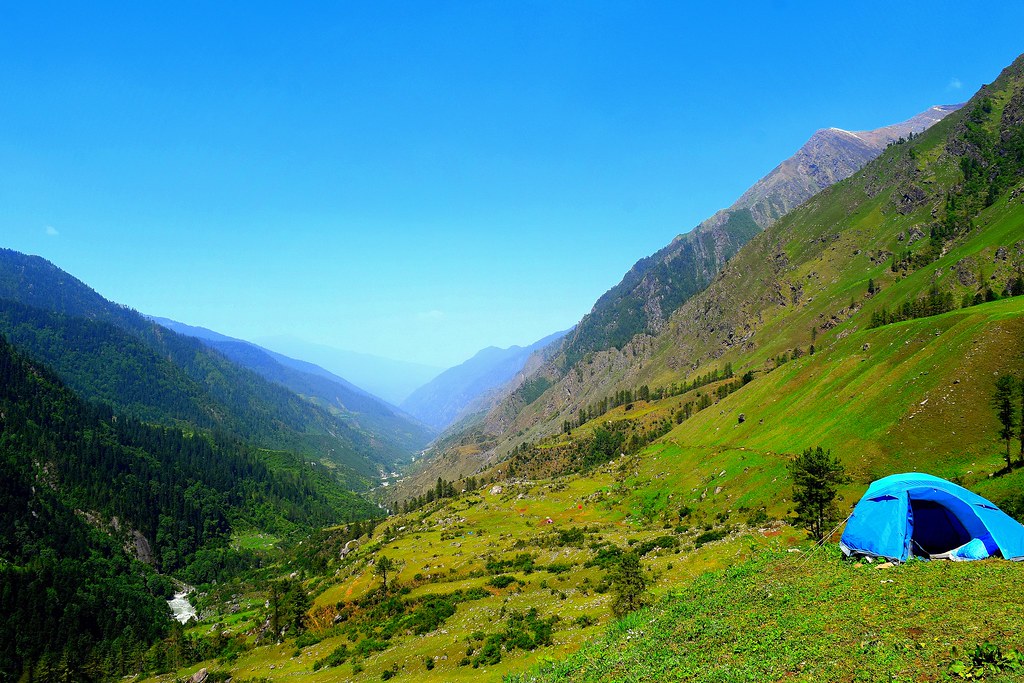
Har Ki Dun Trek is like into the paradise on earth which is placed at the Garhwal Himalayas of Uttarakhand and whoever visited, saw the anciently abode place there and called the trek as “The Lands of Gods”. At 3,566 meters (11,700 feet) above sea level, this cradle-shaped valley overlooks snow-clad peaks such as Swargarohini Black Peak and Bandarpoonch, with green meadows and dense forests in the foreground.
Ideal for beginners and experts alike, the trek to Har Ki Dun is a perfect combination of easy challenges and natural beauty, giving you a taste of some of the more challenging treks in Uttarakhand. Whether its the mythological associations to the Mahabharata or the kaleidoscopic flora and fauna that draws you here, this 7 days trip offers memories you won’t be able to forget. The post includes a detailed guide of the itinerary, best time to visit, what to expect and tips on how to plan your Har Ki Dun Trek.
Har Ki Dun Trek Overview
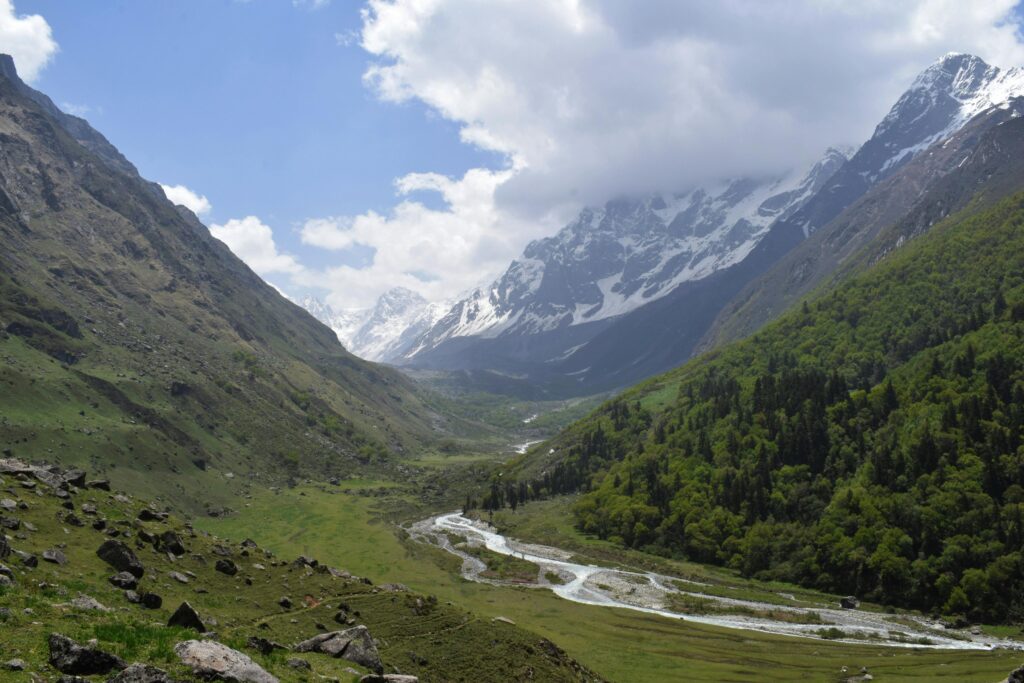
Valley of Gods as the Har Ki Dun is called is a delight for the first time trekkers and nature enthusiasts. Har Ki dun is an easy to moderate trek to one of the least explored places in the Garhwal region and is recommended for anyone who is planning to trek for the first time in the Himalayas as well for someone who has already trekked in other parts of the Himalayas. Har Ki Dun Trek is situated inside the Govind Wild life Sanctuary and National Park and another popular trek is Kedarkantha Peak Winter trek near by.
The trek provides a great view to some of the renowned peaks such as Swargarohini, Kala Nag/Black Peak, Bandar Poonch, Osla and Har ki dhun peak. Drive from Dehradun to Taluka is scenic and morning you can start early for a picturesque drive along the Yamuna (very close to the origin), alongside the Tons River to reach Taluka. The road conditions are little bit tough from Sankri to Taluka ( Starting point of Har Ki Dun Trek).
Itinerary for Har Ki Dun Trek (Detailed)
Day 1: Dehradun to Sankri (Hike: 200 km, 8-10 hours drive)
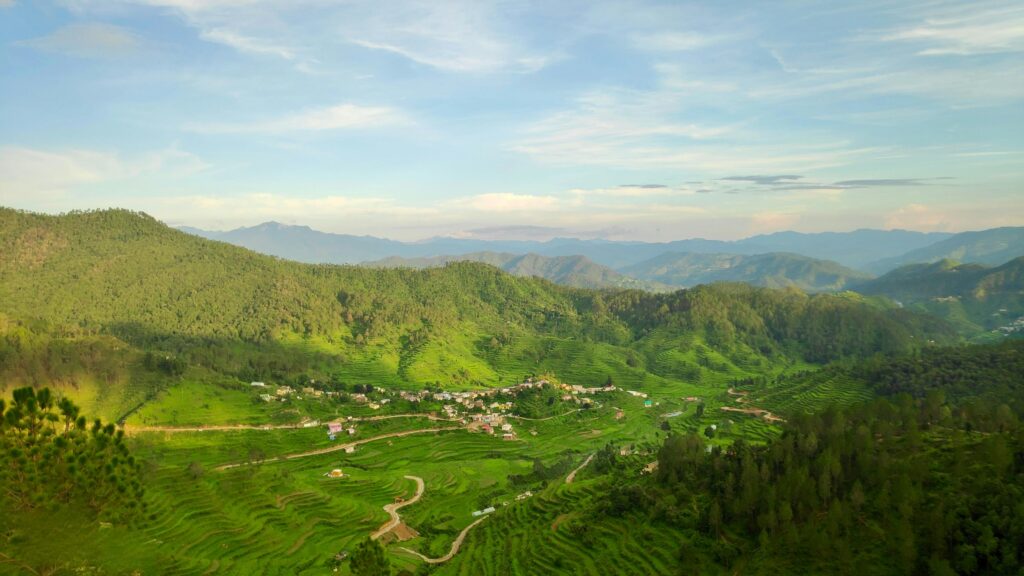
Your Har Ki Dun Trek shall commence from the gorgeous drive from Dehradun to Sankri, which will cover a total of 200 km taking 8-10 hours. The road winds its way through Mussoorie, Kempty Falls and the valleys of the Yamuna and Tons rivers, providing sights of terraced fields and pine forests. Sankri: At 1,950 meters, this is an adorable base village with guesthouses and homestays.
Get there in the evening, have a local meal and relax for the big hike the next day. There’s limited connectivity so carry extra batteries and cash (last ATM is in Mori!). To book transport in advance from Dehradun’s Grand Legacy Hotel (INR 1,100+5%GST one-way) is more convenient.
Day 2: Sankri to Taluka (Drive: 12 km, 1 hour) to Pauni Garaat (Trek: 10 km, 5-6 hours)
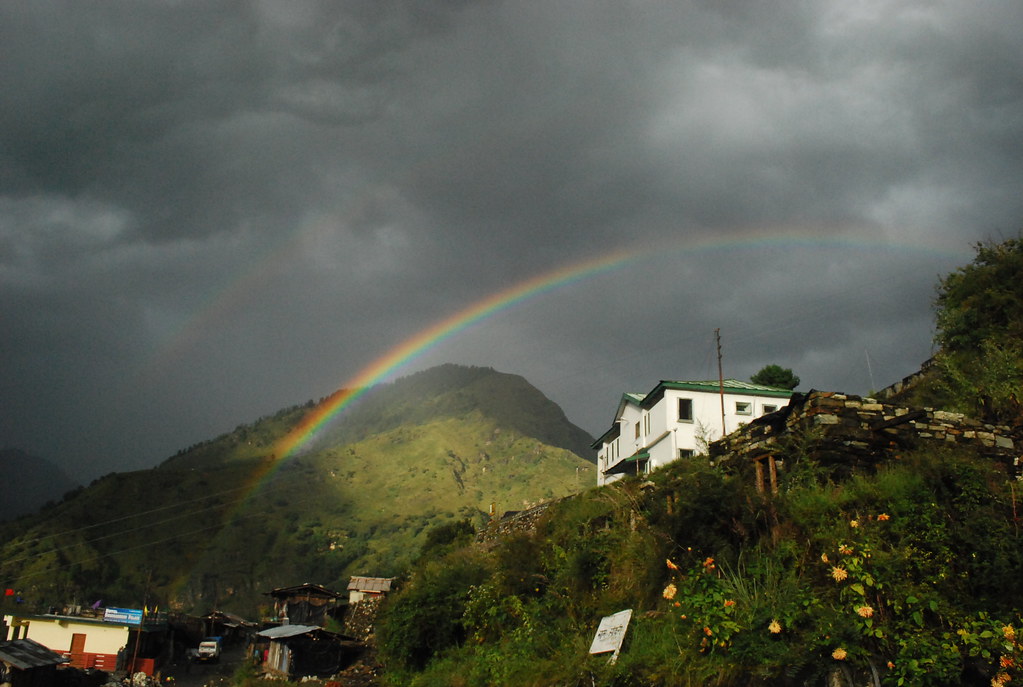
After breakfast, drive 12 kms to Taluka (1900m), a small hamlet nestled in the lap of nature located at the 1900mts / 6201 ft amsl is the starting point of our trek. An easy 10 km walk takes you to Pauni Garaat going along the Supin river and through dense chestnut, walnut and pine forest.
Cross wooden bridges spanning streams and gentle inclines with a few steeper sections. The trail is sprinkled with wildflowers in spring and snow in winter. By evening reach Pauni Garaat (2,500 meters), a beautiful camping site. Pitch tents, have a hot meal (there are usually desserts such as gulab jamun to savor) and marvel at the starry Himalayan sky.
Day 3 Pauni Garaat to Kalkattiyadhaar (Trek 8 km, 5-6 hrs)
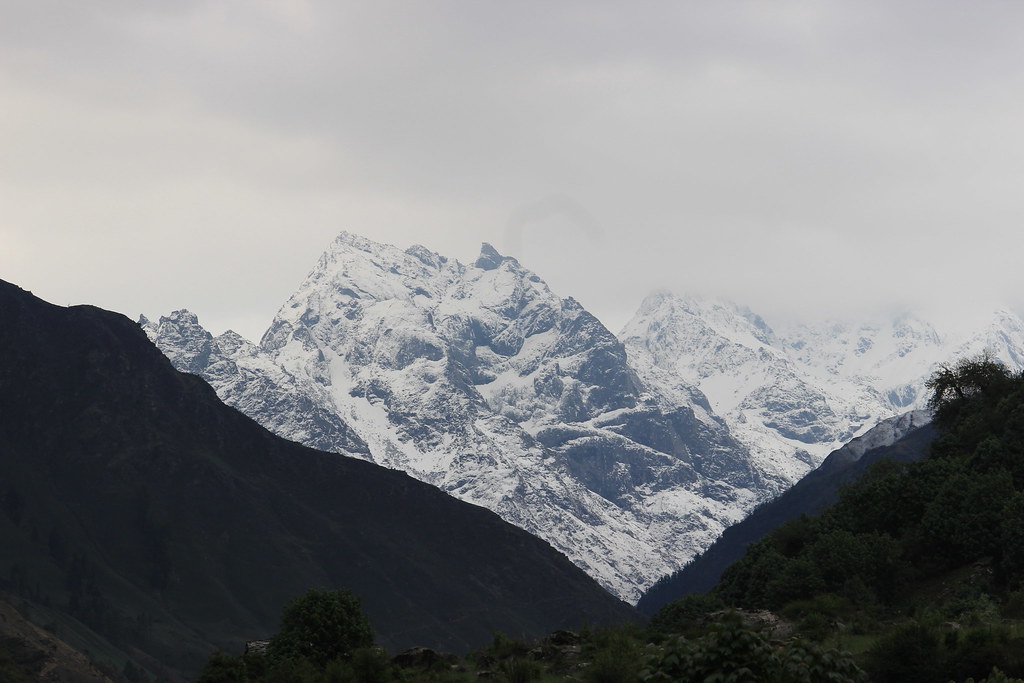
Trek 8 km From Pauni Garaat to Kalkattiyadhaar ( 2,800 meters) The view on the left opens up showing Hata Peak. The trail goes on easy climbing through meadows, coming up alive with flowers during the monsoons and for the rest of the year trek beside river Supin. Cross a massive bridge over the river and start a steep 30- to 60-minute climb to a smaller bridge.
Lush grassy meadows start appearing as Kalkattiyadhaar approaches and the hike from Jorbas becomes a wonderful stroll through them to the sight of snow covered peaks. Doss down surrounded by alpine beauty for the night, and get ready for the pinnacle of the Har Ki Dun Trek the next day.
Day 4: Kalkattiyadhaar to Har Ki Dun and Back (Trek: 10 km, 8-9 hours)
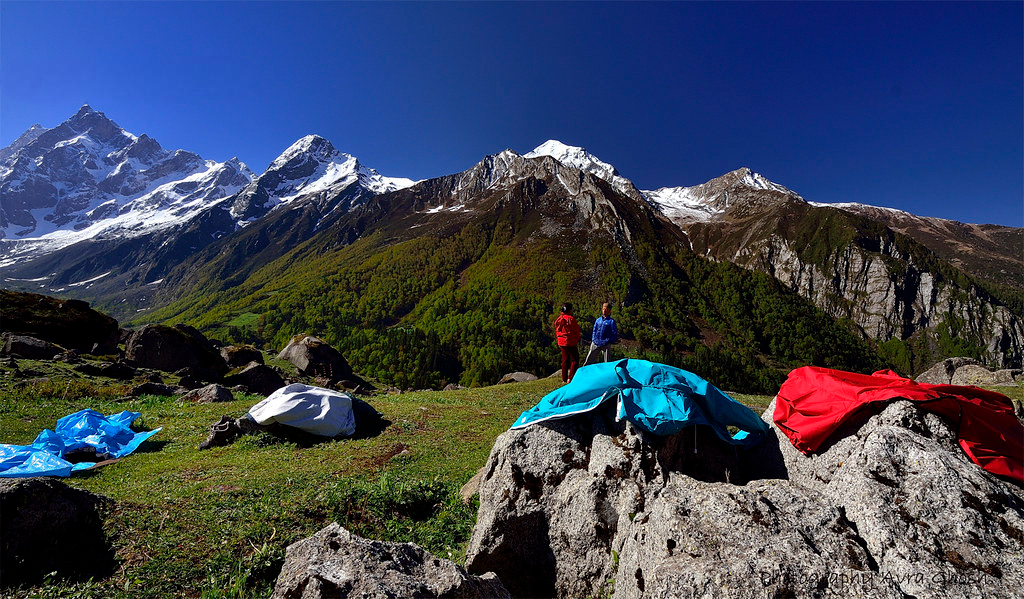
The big payoff On your most rewarding day, trek 10 km round trip from Kalkattiyadhaar to Har Ki Dun Valley (3,566 meters). The route wends its way upward across meadows and moraines, with increasingly breathtaking views of Swargarohini, Black Peak and Bandarpoonch.
Hiking into the valleys, you come to the name sake valley, a tranquil area featuring a quiet stream and the Someshwar Temple built in honour of Lord Shiva. If you have the time and energy, the optional strenuous 2.5- to 3-km walk to Marinda Tal (3,800m), a small pond surrounded by snow-covered peaks, or the 5km walk to a viewpoint of the Jaundhar Glacier (for a closer view of Swargarohini), is well worth it. By evening, return to Kalkattiyadhaar, as overnight stay in the valley is not permitted.
Day 5: Kalkattiyadhaar to Pauni Garaat/Osla (Trek: 8km, 5 hours)
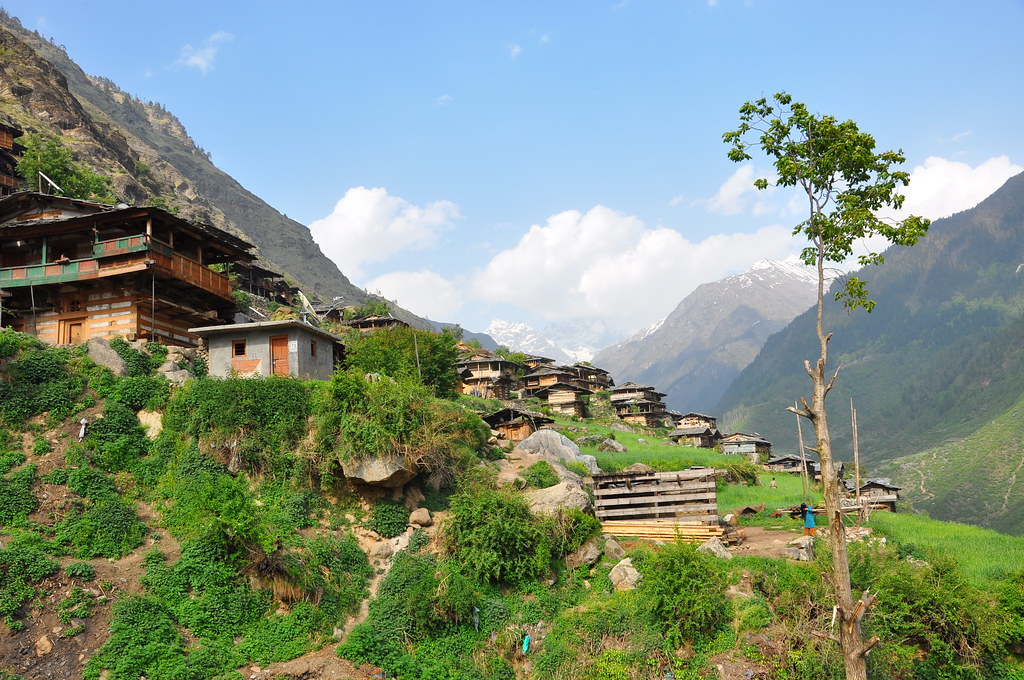
Backtrack 8 km to Pauni Garaat or head to the culturally rich village of Osla (2500 meters). Osla was once built of wood and houses here have slanting roofs with wooden doors and Someshwar Temple is here which is thought to be dedicated to the Mahabharata character Duryodhana. Meet friendly locals, enjoy a Garhwali thali (manduva roti, red rice, local dal) and see historic traditional architecture. Camp in Pauni Garaat or stay with a host family in Osla for a rustic stay. The descent is gradual, leaving plenty of time to take in the valley’s beauty.
Day 6: Pauni Garaat – Taluka (Trek 10 km, 5 – 6 hours) – Sankri (Drive 12 km, 1 hour and overnight stay)
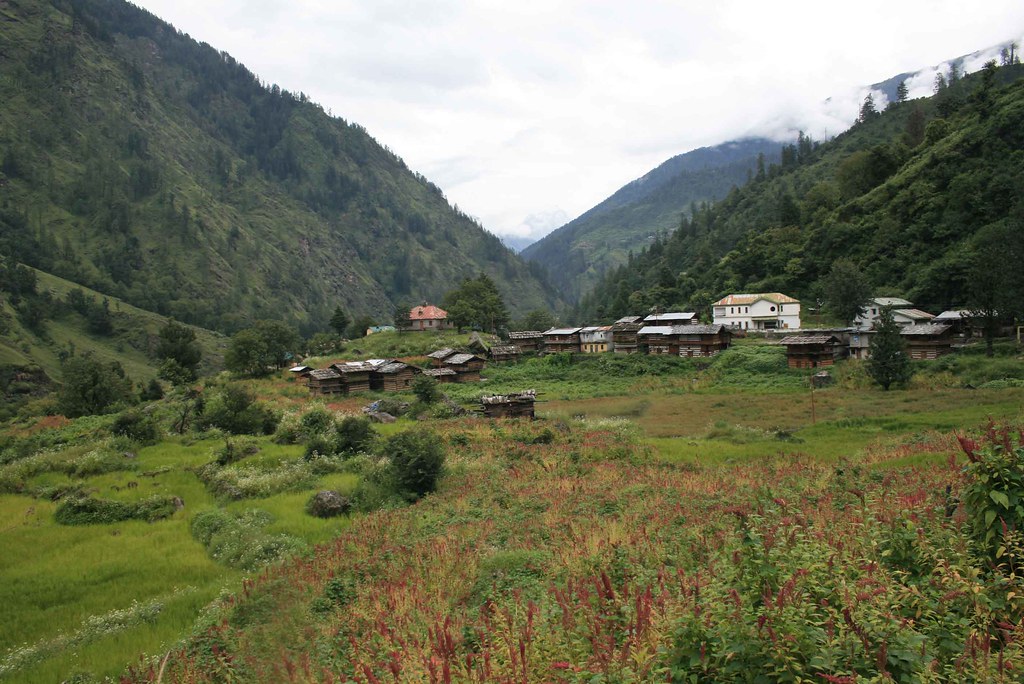
Trek 10 km backwards to Taluka, descend alongside the Supin River, past familiar forests and bridges. Much of the trail is downhill and you want to watch your footing so you don’t stress the soles of your feet. Drive 12 km from Taluka to arrive in Sankri in the afternoon. Unwind at a guesthouse, sit around a bonfire, and reminisce the best moments of the trek. This is your last night with the mountains, enjoy the tranquillity and hospitality of the local people.
Day 7: Sankri to Dehradun (Drive: 200 km, 8 – 10 hours)
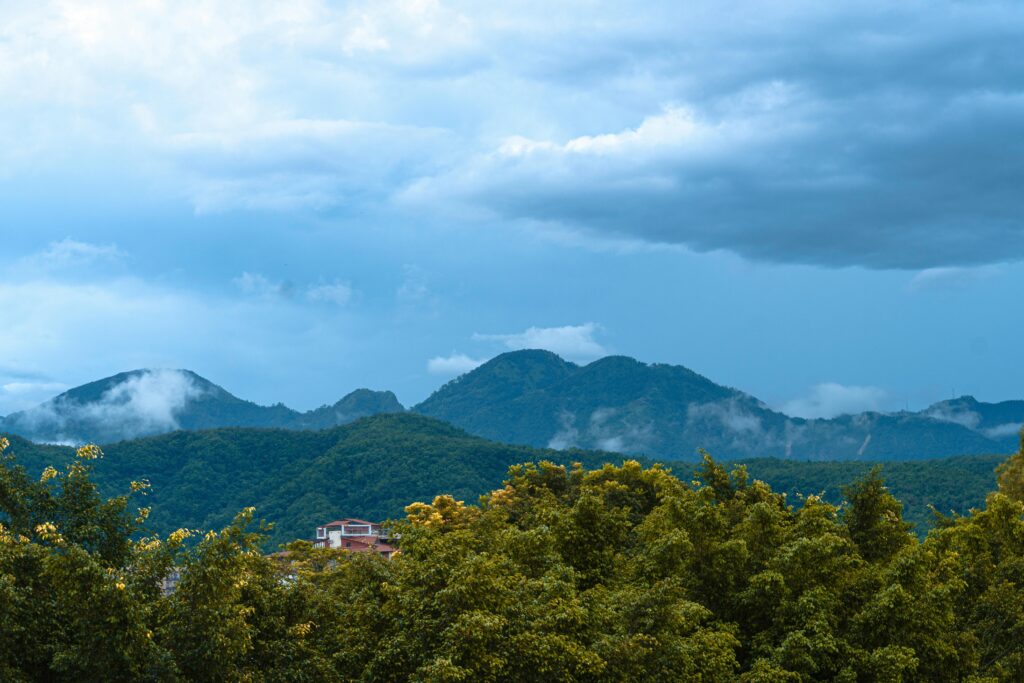
After breakfast, Dehradun:Drive back to Dehradun to end up your Har Ki Dun Trek. The 200 km drive gives that final opportunity to soak in the Tons and Yamuna valley views. By evening, reach Dehradun with memories of snowy mountains and rich meadows and the warm Garhwali hospitality. Overnight stay at Dehradun. Same day you can proceed toward Dehradun.
Best Time to Visit for Har Ki Dun Trek
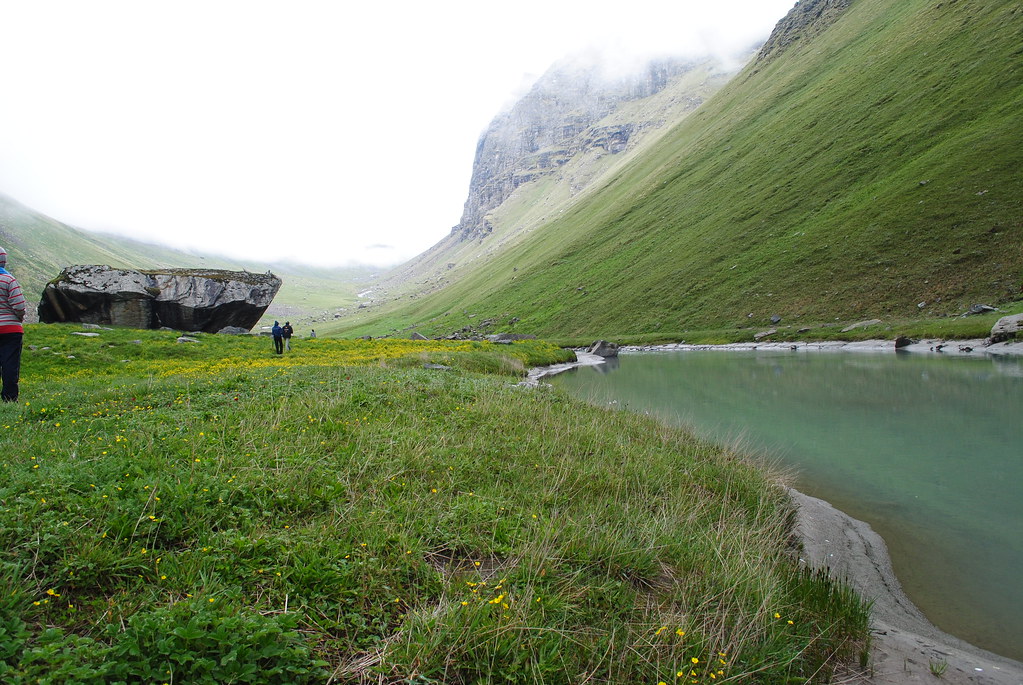
Har Ki Dun Trek can be done from April to June and September to December, resulting in two different experiences. In spring (April to June), it’s warm (5–15°C) with wildflowers (rhododendron, orchid) in full bloom and clear skies, perfect for families and newbies. The (September-November) Autumn season is beautiful with gilded scenery and fresh iridescent (2–10°C) air and stunning sunsets for photo-enthusiasts.
Winter (December) turns the valley into a frozen snow land (-5-5°C). Ideal for trekkers with prior experience opens up a challenge. The trek is also closed in January to March during which time the heavy snowfall makes it risky for trekkers, while Govind National Park remains closed due to wildlife migration. Ideally plan for spring or autumn it is pleasant, and keep warm layers with you if you are trekking in the winter months.
Cultural and Historical Significance
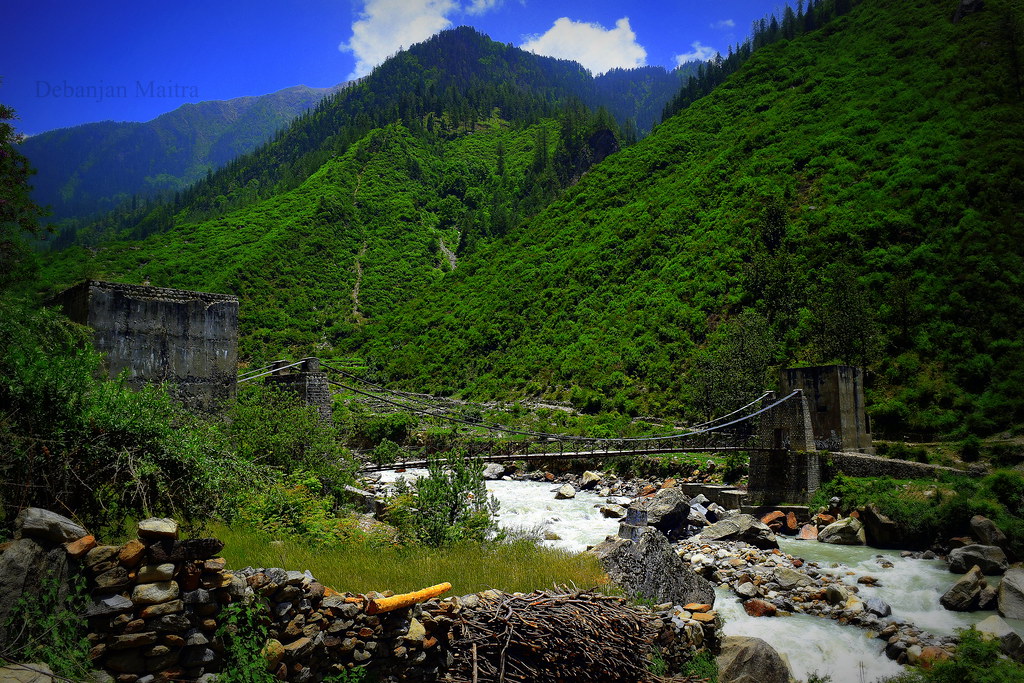
The Har Ki Dun Trek is full of myths and culture. Also known as the “Valley of Gods”, it is mentioned in the Mahabharata and it is said that the Pandavas, the heroes of the epic, took these routes and the journey past the Swargarohini peaks into the heavens. The Someshwar Temple at Osla devoted to Lord Shiva (or Duryodhana in local mythology) is indeed a cultural jewel that showcases some very distinct cultural characteristic of the region.
Villages like Osla and Gangad, where you can admire 2,000-year-old wooden architecture, offer a window into Garhwali life. Celebrate with locals during such festivals as Osla Mela – where traditional music, dance and food are showcased. The historical resonance of the trek as an ancient trade route between the Yamuna and Tons rivers, in turn, adds depth, making this a cultural journey as much as a scenic one.
Flora, Fauna, and Scenic Highlights
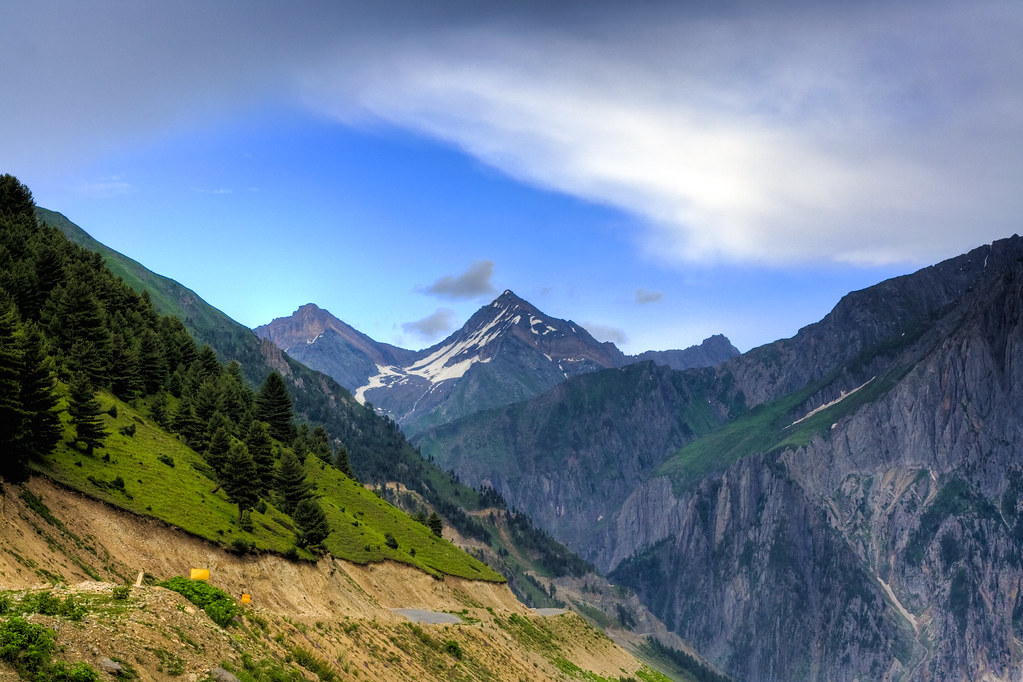
This Har Ki Dun trek is located inside the Govind National Park which is popular for its rich variety of flora and fauna. In autumn and winter you’ll find dull meadows with frozen orchids, poppies or marigolds. Look for Himalayan black bears, leopards and birdlife including the Himalayan Monal. Highlights along the trail are including, the gushing waters of Supin River, the calmness of Marinda Tal pond and the panoramic vistas of Jaundhar Glacier.
The snow capped summits of Swargarohini (6,252 meters) and Hata Peak (5,820 meters) form the skyline here and make it a paradise for photographers. The Devsu Bugyal meadow, at 10,032 feet, is a sensory treat, grassy hillocks, wildflowers and camping. The unspoiled wilderness of this trek is a paradise for nature lovers.
Trek Difficulty and Preparation
The Har Ki Dun Trek is of moderate difficulty, which means it is perfect for beginners to seasoned trekkers. There are daily treks of 8–12 kms with undulating hilly terrain, interspersed with some steep ascents and rocky paths. Since you need acclimatization to an altitude gain of 3,566 meters you should reached Dehradun one day in advance.
Get in shape with 4–6 weeks of cardio (running, cycling) and leg strength moves (squats, lunges). Other essentials comprise of: – Quality trekking shoes – Light backpack (30-40L) – Headlamp – Trekking poles – Warm clothes for winter (such as fleece or down jacket). Carry a 10,000mAh power bank on account of shortage of electricity. Some fancy the stamina certificate since some may demand it by trekking companies. With careful preparation, it is a very rewarding experience for everyone.
How to Reach Har Ki Dun Trek Base
By Air: The nearest Airport is Jolly Grant, Dehradun, which is 240 Kms from Ukhimath and is well connected to Delhi, Mumbai and Bangalore. From the airport, a taxi (INR 3,000–4,000) or shared cab can be rented to Sankri (200 km, 8–10 hours).
By Train: Dehradun Railway Station is Closest (trains like the Shatabdi Express from Delhi stop here) READ MORE 10 Things to do in Dehradun. From there, book a cab or bus to Sankri.
How to reach Har Ki Dun Trek From Dehradun Har Ki Dun can be reached by train, bus or air transport; also, it totally depends on you.
By Road: You can take your own vehicle, rent a car from Dehradun to Sankri, which drives you through beautiful Mussoorie and Tons Valley. Book through agencies like Indiahikes for organized transport (INR 1,100 one way).
Trek Cost and Inclusions
The price of Har Ki Dun Trek ranges from INR 8,000–15,000, with variables such as number of people, season and things included. Packages usually include transportation from Dehradun to Sankri, guesthouse/tent accommodation, food ( breakfast, lunch, dinner, desserts ), guides and permits. Add-ons such as backpack offloading (INR 2,000–3,000) and personal items (trekking poles, ponchos) are likely to come with an extra charge.
For budget trekkers, there are the possibilities of sharing tents and not offloading. At the best book with providers like Indiahikes, Trek The Himalayas, Bikat Adventures etc. Review cancellation policies and perhaps take out travel insurance to cover emergencies.
Safety Tips and Essential Gear
- Physical Preparation: Do 4-6 weeks of strength and cardio training in order to manage 5-7 hours of daily trekking.
- What to bring: Hiking boots, layered clothing (including fleece and waterproof jacket), headlamp, sunglasses, water bottle, and first-aid kit.
- Safety: Drink water, listen to your guide and don’t wander off the trail. Carry ID for permits.
- Wear it well: It’s winter weather time and it can be as low as -10C, so check the weather forecast and pack ponchos in case of rain (or snow).
- Leave No Trace literature: Nobody likes a litterbug, and the valley is pristine.
Conclusion
The Har Ki Dun Trek, explore the majectic Garhwal Himalayas on an adventurous and culturally enlightening journey. After a quiet walk through the Supin River to the colossal Swargarohini peaks each step uncovers the eternal beauty of the Valley of Gods. Whether you are hiking in spring for wildflowers or winter for snow filled views, this moderate hike is a very approachable and fun hike for everyone.
Hang out with warm locals in Osla, click pictures of stunning landscapes and discover the Mahabharata legacy in the region. Identify your Har Ki Dun Trek 2025, Connect with a reliable service provider and go on a journey that would cherish you lifelong memories. Tell us your trekking plans in the comments and begin your trek through the Himalayas now!
Har Ki Dun Trek FAQs: Your Complete Guide to the Valley of Gods
What Is the Har Ki Dun Trek?
How to Reach Har Ki Dun Trek Base Camp?
When’s the Ideal Time to Visit Har Ki Dun?
How Challenging is the Har Ki Dun Trek?
What Is The Highlight Of the Har Ki Dun Trek?
What to Pack for the Har Ki Dun Trek?
What is the cost of the Har Ki Dun Trek?
Is the Har Ki Dun trek safe for solo and female trekkers?
What Is the Cultural Significance of Har Ki Dun?
Is Permission Required for the Har Ki Dun Trek?
I recommended you “hello hikers” for Har Ki Dun Trek 2025

Experience the beauty of Kerala with our Kerala Tour Packages and enjoy a comfortable Taxi Service in Kochi Kerala. Kochi Airport Taxi Services.