
Harsil Valley Trek: A Himalayan Paradise in Uttarakhand

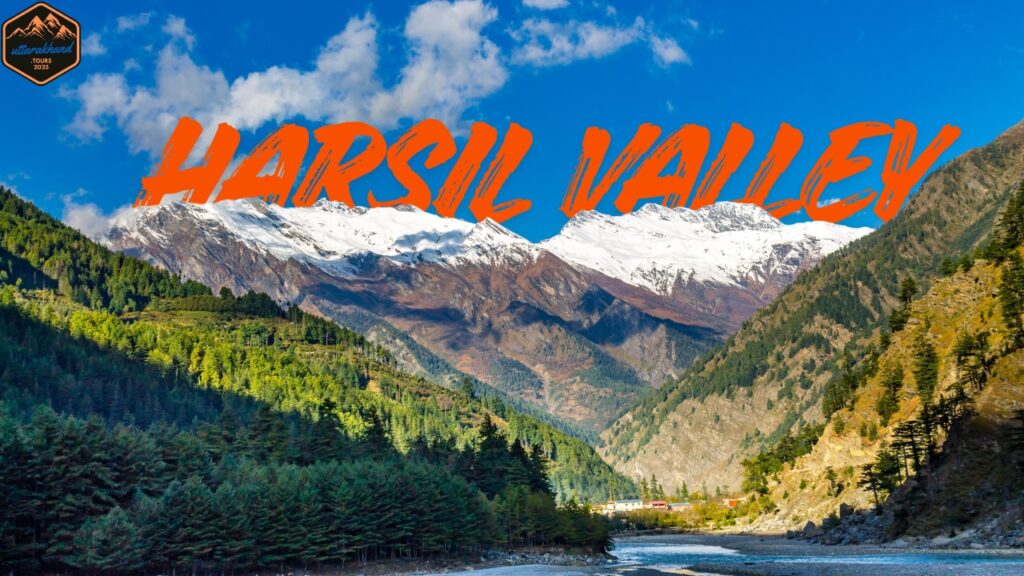
The Garhwal Himalayas are a treasure trove of hidden secrets, but none more charming than the Harsil Valley Trek. Located on the banks of the river Bhagirathi, this spellbinding journey through Uttarakhand has a delightful combination of thick deodar forests, lovely old villages, and exhilarating views of high mountains.
Popularly known as the “mini Switzerland of India,” Harsil is not just a destination; it’s an experience that revitalizes your spirit. This is an ideal trek for anyone who wants the peace and quiet of the unspoilt Himalaya without the yellow bucket syndrome (Sri Nasar sites).
In this complete guide, you will find all that you need to know while preparing for the Harsil Valley Trek. We’ll talk about the challenge of the trek, when it’s best to hike, great attractions on route and helpful tips so you have a fun and safe adventure.
Why to Choose the Harsil Valley Trek?

Although Uttarakhand is popular for treks such as the Valley of Flowers and Kedarkantha, the appeal of Harsil Valley trek is unique. It’s a not very traveled trail, so you can really feel the peace and quiet without the masses of people. Taking you through ancient villages and sacred sites rich with local folklore, it is a journey combining cultural immersion and the beauty of nature.
The trek is easy and highly rewarding, suitable for both beginners as well as the experienced. The walks will take you past the snow draped peaks of Bandarpunch and Swargarohini while passing through heady pines and deodars, as you hear the music of wild Bhagirathi River.
Trek Details and Itinerary Overview

The Harsil Valley Trek is of shorter duration, that stretches for about 4 to 6 days from Dehradun to Dehradun. An ideal escape for those with little time but much appetite for a Himalayan adventure.
Key Trek Information
- Location: Uttarkashi district, Uttarakhand, India
- Elevation: Up to 3,500 meters (11,482 feet)
- Trek Duration: 4-6 days
- Difficulty Level: Easy to Moderate
- Trekking Distance: Approximately 25-30 km
- Best Season to Visit: April-June (Spring/Summer) and September-November (Autumn)
- Difficulty Level: Easy to Moderate
Harsil Valley Trek is a easy to moderate trek. The path is rolling with neat paths the vast majority of the way. No parts are technical and you good have a beginners with a decent level of physical shape.
But, like all Himalayan treks, it’s not without its challenges. You will be trekking at altitudes higher than 3,000 meters and the air is thinner. Acclimitazation is mandatory to avoid altitude sickness. One should indulge in regular walking, jogging or climbing stairs for as few weeks before he drives on the trek because it will increase stamina and deliver more fun to your trip.
Best Time to Visit Harsil Valley

Picking the right season matters a lot when it comes to making the most of your Harsil Valley Trek. “Every season, the valley has a new color palette.”
Spring and Summer (April-June)
Now is perhaps the best time to begin trekking in Harsil Valley. It’s been beautiful out, with clear skies and comfortable daytime temps. Winter snow has melted to expose lovely green meadows, or “bugyals.” You can see the forests are alive and blooming with rhododendrons in reds and pinks, which is an amazing contrast against those snow-clad peaks.
Autumn (September to November)
Fall is also a great season for this hike. The valley itself is freshly scrubbed as the monsoon rains have passed, with clean air and superlative views of Himalayan giants. The scenery becomes a lovely blend of gold, orange and brown tones. Sunny and crisp days, with cold nights that become even colder as early as November.
Winter (December to March)
Even the Harsil in winter, is like an enchanted white wonderland. But heavy snowfall typically covers the trails and trekking is arduous, as well as risky. This season is typically suitable only for experienced hikers with appropriate winter equipment and a professional guide.
Highlights of the Harsil Valley Trek
Getting there is half the fun. The route is peppered with many interesting sites that add to the charm of it.
Harsil Town

Your sojourn will put out and take off from the lovely village of Harsil. A town resting at a height of 2,620m above the sea level is popular for its peaceful atmosphere and apple orchards. Spend a day discovering the village, meeting its local Bhotia community and visit an ancient Lakshmi Narayan Temple. Traditional wooden houses line the quaint town and the Bhagirathi River flows past, making for beautiful photos.
Mukhba Village

A brief drive from Harsil is Mukhba, where the idol of Maa Ganga resides through winters. The deity is installed at this village during the lean winter months when the Gangotri temple cannot be reached due to excessive snow. Mukhba is a great sitio with rich culture, breathtaking surrounding and mesmerizing pinnacles.
Gangotri National Park

A major portion of the journey goes through the Gangotri National Park. It is home to a wide variety of flora and fauna, that are sheltered in the protected area. While trekking in the thick forest, you are hemmed in by huge pine, deodar, fir and birch trees.
Rich Flora and Fauna

It is a biodiversity hot spot. Look out for the resplendent Himalayan monal, the state bird of Uttarakhand. The elusive snow leopard, the musk deer, the Himalayan tahr and the bharal (blue sheep) are among the wildlife that roam in ASI. Though larger mammals are less frequently seen, the avian life and verdant foliage more than make up for any shortage of sightings.
Getting ready for the Harsil Valley Trek
Preparation for Harsil Valley Trek is not only about packing your bags, but it’s also more than that, you need to prepare yourself physically and mentally starting with following the schedule.
Physical Preparation
Start a simple fitness schedule at least 4-6 weeks before you trip. Concentrate on cardio exercises like brisk walking, jogging, cycling or swimming for boosting your stamina. Also incorporate planks and leg-strengthening exercises, such as squats and lunges. Train walking on the ups and steps with a backpack if you can to simulate trekking.
Mental Readiness
Hiking in the Himalayas can be difficult, so you need to stay mentally ready for it. Manage your expectations; the trek to is not exactly easy, and conditions can be unpredictable. Remain positive and flexible when plans go awry. Reading about others’ experiences trekking or watching videos can help visualize your journey, and to get you excited and give you more resilience.
Logistical Planning
Do some homework on the trek route, closest transit and when looking at local weather for your specific dates. Book in advance for transport and lodgings as the trekking seasons are quite crowded. Get the necessary permits and bring copies of your ID. For your security, please inform a friend or relative of your plans.
Pack smart and light: Consider weight, but also how much you will need something. Call your gear and do an inspection prior to getting out and make sure it has life for the job. You can also make the experience safer and more pleasant if you hire a certified guide or join a well-respected trek group.
Essential Hiking gear/packing list for Valley of Flowers Trek
Good packing leads to a stress free trek and here are the reasons why we need to have one for Harsil Valley Trek! Reference this list to ensure you have everything:
Clothes: When layers are a must, moisture-wicking base layers, cozy fleece or down jacket waterproof and windproof outer shell even thermal inners plus spare set of woolen socks. Layering is key to changing weather conditions in the mountains.
Footwear : Its advised that you wear good trekking shoes and few extra pair of socks. Carry a spare set of laces and some flip-flops or lightweight slippers for camps.
Gear: A large but comfortable bag (40–50l) a pair of trekking poles for stability, sunglasses with UV protection, sun hat and rain cover.
Sleeping Gear: High-quality sleeping bag for -20 degrees (in some cases when trekking in early spring or autumn) insulated mattress.
Accessories: Head torch or torch with spare batteries, water bottles or hydration packs, quick dry towel and personal hygiene items.
First-Aid and Medicine: Your personal medication, painkillers, altitude pills (consult a doctor), antiseptic cream, band-aids and blister plasters.
Documents: Proper photo ID and necessary permits in a waterproof pouch.
Safety Guide for Trekking in Harsil Valley

By putting safety first, your trek will be safe and enjoyable:
Acclimatize Slowly: Give your body time to adapt to higher elevations; no need to rush ascents. Always follow your body and let the guide know if you are feeling uncomfortable.
Stay Hydrated: Drink plenty of water, even it if you aren’t thirsty.
Weather Alert: Monitor the weather forecasts daily as conditions can change quickly. Don’t ever hike in storms or heavy rain.
Group Hike: Hiking in a group is always recommended if possible or hire a local guide to take you around as they will also be able to offer emergency service.
Wildlife and Conservation: Wildlife is to be respected from a distance. Do not feed the animals, or disturb vegetation.
Stay Plugged In: Have a charged phone with emergency contact numbers. Let someone know your itinerary for the day and when you plan to return.
Waste Management: Bring back all NON-Biodegradable waste, and leave nothing but footprints.
If you pack the correct gear and use some common sense safety tips, your trek through Harsil Valley will be a great success.
How To Reach Harsil for Harsil Valley Trek

Accessibility Harsil Valley can be accessed only by road; the usual approach being to fly or travel by train up to Dehradun/Rishikesh and further advance on a vehicle via Uttarkashi.There are no direct flights/trains or buses between Delhi and Harsil. Major nearest destinations One can also visit Uttarkashi and Rishikesh, to catch a taxi or take a bus to Harsil.
Nearest airport and station
Nearest airport: Jolly Grant Airport, Dehradun, 225–245 km by taxi or bus via Rishikesh/Uttarkashi and a drive of about 8-9 hours. you can take cheapest flight from https://www.ixigo.com/
By Rail
Nearest railheads: Rishikesh and Dehradun (and bigger junction of Haridwar), from where you have to go by motorable road up to Uttarkashi and then to Harsil.
By road (within Uttarakhand)
Harsil is on the road connecting Uttarkashi with Gangotri (NH 108), and is linked by regular buses or shared jeeps (all-weather) from Uttarkashi.
Harsil is anywhere between 2–3 hours drive from Uttarkashi by shared jeep or taxi, depending on the condition of the roads and weather.
From Delhi (common starting point)
The distance is around 450-460 km, generally takes up to 12-14 hours via road on the basis of traffic and stoppages.
Regular Road Route: Delhi → Haridwar → Rishikesh → Chamba/ Tehri side → Uttarkashi → Harsil, travelers can reach up to Rishikesh/ Uttarkashi by state-run buses or by hiring private cabs or taxi and then travel further with local vehicles.
Other option: You can fly Delhi → Dehradun, and taxi-bus to Uttarkashi, then take a bus from there to Harsil on the same/next day.
Quick tips
If you’re kicking off any mountain leg (Rishikesh/Dehradun to Uttarkashi to Harsil), start early in the morning, it’s best not driving those roads at night.
During monsoon and peak winter it’s a good idea to check the status of the road as well as landslide/snow warnings before travel, as the Uttarkashi–Gangotri highway is vulnerable to closure.
If you indicate where you would start, and whether you prefer bus, train or car, I could suggest a step‑by‑step route.
Conclusion
The Harsil Valley Trek is one of Uttarakhand’s most delightful Himalayan experiences featuring scenic vistas, rich local culture amidst easy-to-moderate level trails. Whether you are a nature lover, exploring dense forests and apple orchards along the way or someone who enjoys some peace with visits to the remote villages, this trek will satisfy your trekking desire. Whether you are after breathtaking mountain vistas, unique wildlife sightings or a tranquil haven, Harsil Valley offers an unforgettable experience.
If you are looking for a trek that has an exciting mix of nature, culture and peace then Harsil Valley Trek is the best option. Enjoy the journy, let Harsil amaze your senses.
Frequently Asked Questions (FAQs) About the Harsil Valley Trek
How difficult is the Harsil Valley Trek?
What is the best time to go for Harsil Valley Trek?
Are permits required for the Harsil Valley Trek?
What should I pack for the trek?
How to be safe while walking in Harsil Valley?
Where will we get the facilities of Harsil Valley Trek?
It has basic guesthouses, homestays and tented camps in Harsil individuals can visit to stay up there and the neighboring villages. Reservations are recommended during busy times. Camping on the way is also a favorite choice for trekkers, who want to be close to the nature.