

Table of Contents
How to Prepare for High Altitude Treks
A complete guide on How to Prepare for High Altitude Treks in Uttarakhand. Learn about physical fitness, acclimatization, packing, and mental readiness. Trekking in Uttarakhand’s high altitudes is among the finest mountain experiences that one could have on this planet. Surrender ego: From the spiritual footpaths to Gangotri, to the picture-perfect meadows of Roopkund, these trips are soul-searing. But the beauty of the Himalayas brings its own set of challenges. High-altitude trekking is not a walk in the park, but an event that requires respect for the mountains and proper preparation.
Failing to plan is planning, after all. This guide will take you through a guide on how to prepare for high-altitude treks in Uttarakhand. We’ll cover fitness, acclimatization, mental preparedness and what to pack so that you can hit the trail safety and with confidence.
Understanding High-Altitude Challenges
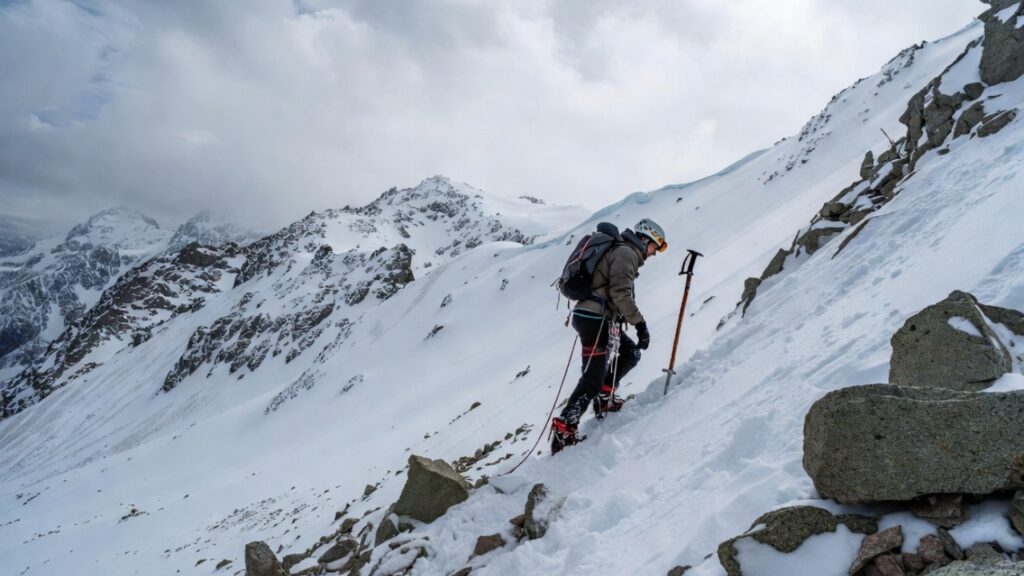
But before we get into preparation, it’s important to know what makes high-altitude trekking so different. As you rise higher than about 2,500 meters (8,000 feet), the air pressure gets lower and the oxygen molecules spread out. This means that with every breath, you are inhaling less oxygen and your body has to work harder.
The primary challenges include:
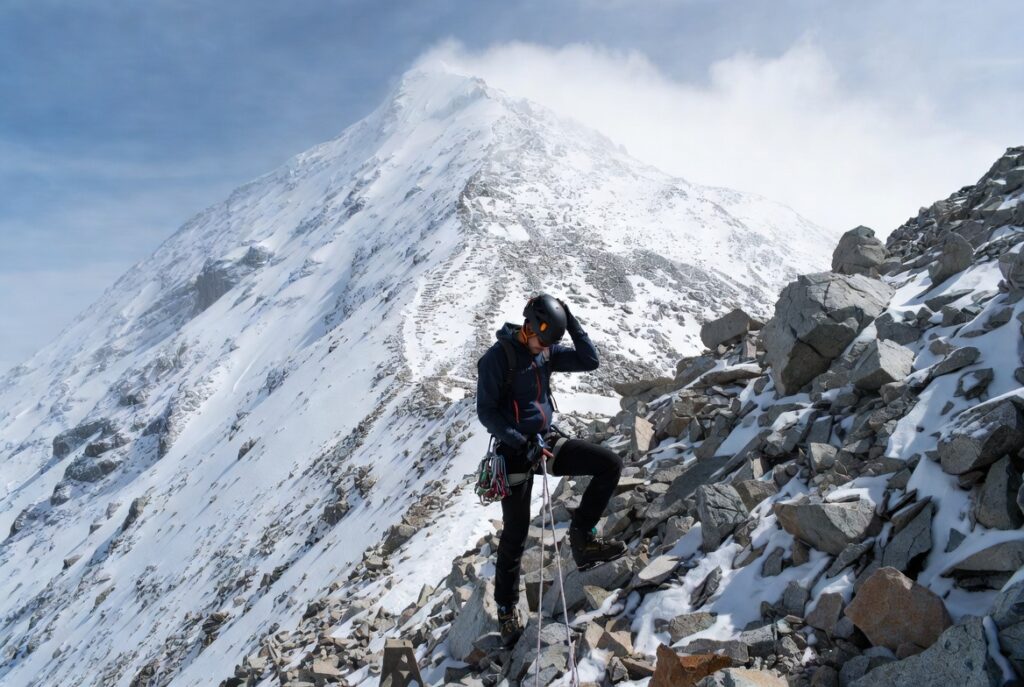
Acute Mountain Sickness (AMS): The first and foremost thing to concern about. They cause headaches, nausea, dizziness and fatigue. If left untreated, it can lead to more serious conditions, such as High-Altitude Cerebral Edema (HACE) or High-Altitude Pulmonary Edema (HAPE).
Unprecedented Weather Fluctuations: Situated in the Himalayas of Uttarakhand, the weather can be highly unpredictable. A bright morning can become a blizzard by afternoon.
Rough Terrain: Paths may be steep, uneven and/or covered in ice or snow, there is a need for stamina and stability.
The best way to fight these issues is to be ready for them.
1) Body Required: Being Physical Fit For the Mountain

Your fitness determines your ability to trek successfully. You don’t have to be a pro-athlete but some solid training will greatly increase the level of enjoyment. Begin preparation at least four to six weeks before your trek.
Cardiovascular Endurance
Stamina is key. Your heart and lungs are going to have to work at capacity, delivering oxygen around your body.
Workouts: Run Keep it up with jogging, fast walking or cycling (or swimming). Shoot for 3-4, 30-45min sessions a week.
Goal: To develop your stamina so you can walk comfortably for several hours at a time. Attempt to do a long walk or jog on weekends, slowly adding time to mimic a day in the ballparkís region.
Strength Training
Strong legs and a steady core will allow you to handle steep inclines and declines without straining yourself.
Legs: Squats, lunges and calf raises in both your workout routine. These strengthen the appropriate muscles for climbing and carrying a backpack.
Core: Work on planks, leg raises and back extensions to build a strong core for better balance and stability over uneven trails.
Stairs: If you have them, stairs are one of the best ways to replicate trekking. Try training to climb with a weighted backpack.
2) Acclimatization: the Gold Rule of Altitude
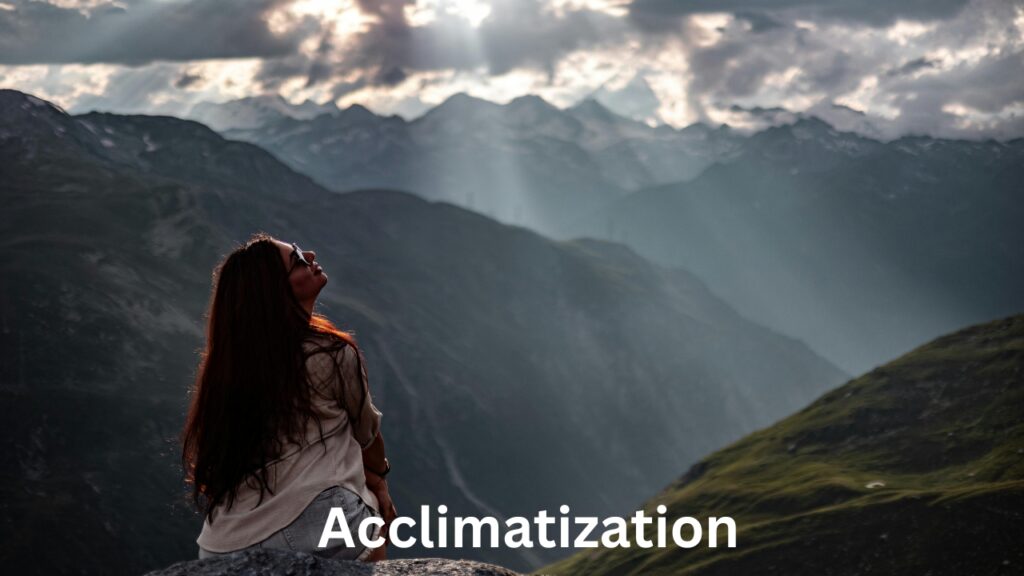
Acclimatization is a process of letting your body slowly adapt to the lowered levels of oxygen. This is the number one way to avoid altitude sickness. It’s just asking for trouble to rush through your ascent.
Go Slow, Go High; Sleep Low
Acclimatize Gradually Plan your trip so that you gradually ascend, sleeping no more than 300-500 meters (1,000-1,600 feet) higher per night once above 3,000 meters (10,000 feet).
Acclimatization Days: Add an extra day for acclimatisation per 1000m height gain. On this “rest day,” don’t just rest, stay active. Hike up to a higher elevation and return back down to your lower campsite for sleep. This is the concept of “climb high, sleep low.”
Read Your Body: Listen to your body. If you have symptoms of AMS, don’t go high. If you have symptoms, stop climbing and rest, drink plenty of water, and go down to a lower altitude.
Hydration and Diet
Keep drinking: Aim for around 4-5 liters of water a day. Dehydration may mimic and enhance AMS. Your urine should be clear.
Eat Right: At high altitude your metabolism revs up. Eat lots of carbohydrates, which require less oxygen to metabolize than fats or proteins.
3) Be Mental Ready: The Power of One’s Attitude Toward Life

A high-altitude trek is a physical challenge, but it can also be a mental one. It’s long days, primitive conditions and you will be tired.
Know Your Route: Know each day’s mileage, elevation and climb. An understanding of what to expect diminishes the anxiety.
Keep It Real: You have to lower your expectations because everything is not going to go the plan. Weather may dictate a change of plans anyway. Be flexible and keep morale light.
Break It Down: When on the trail, concentrate on tiny victories. Focus on getting to the next rest stop or the top of the next hill, not on how you’re going to get through a whole day’s walk. It’s the part that makes the journey seem doable.
4) Packing Essentials for Uttarakhand Treks
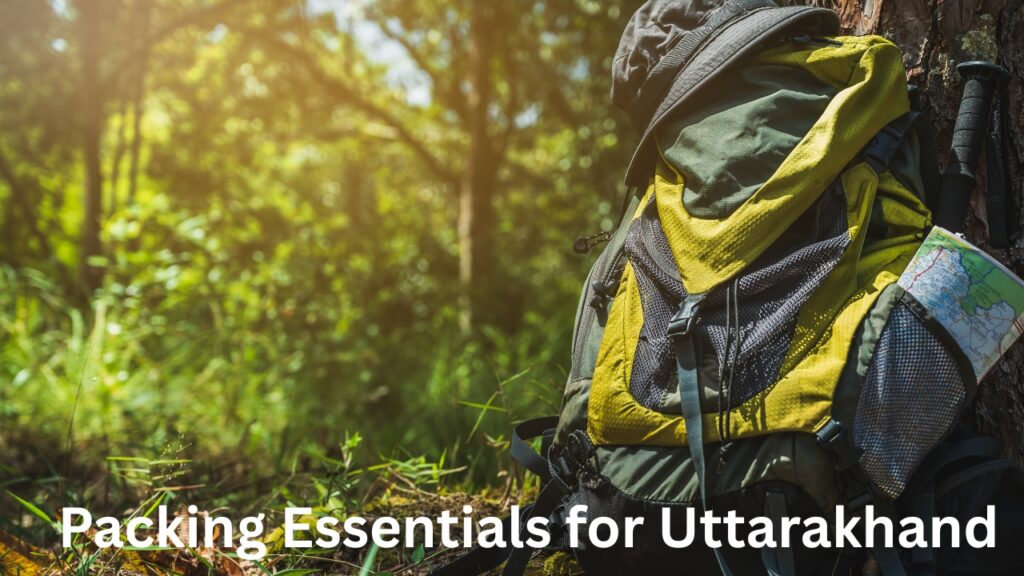
Packing smart is essential. Haven’t worn it in the rain, so cannot comment on how water wyaerproof or resistant but seems decent! Layering is the best tactic.
Clothing
Base Layer: Moisture wicking thermal underwear top and bottom. Skip cotton (it holds moisture and will make you cold).
Mid Layer: Some sort of insulative layer such as a fleece jacket, light down jacket etc.
Outer Layer: Waterproof, windproof hardshell jacket and pants to shield you from rain, snow and wind.
Trekking Pants: I recommend two pair of light weight, quick-drying trekking pants.
Footwear: Comfortable, waterproof trekking boots with good ankle support. Also, don’t forget to bring comfortable slippers or sandals that you can wear at the campsite.
Socks: Multiple pairs of wool or synthetic hiking socks.
Gear and Accessories
Backpack: 50-60 liters of a rucksack is more than enough and it could be covered with rain cover.
Sleeping Bag : This is important for just about every high altitude Uttarakhand trek and a must if you plan on trekking in the high seasons of winter.
Hiking Poles: They lessen the impact on your knees during descents, and give you stability.
Headlamp: Can be a lifesaver for finding one’s way in the dark. Bring extra batteries.
Sun Protection: Sunglasses with UV protection, a wide-brimmed hat and sunscreen are must-haves. The sun is far stronger the farther up you go.
First Aid: Your personal first-aid kit should contain any medication required, painkillers and antiseptic wipes etc, you will also need some blister tape and medication for AMS (Consult a doctor for advice; preferably get a prescription with Acetazolamide/Diamox).
Conclusion: Honor the Mountains and Enjoy the Travel
Going on a high-altitude trek in Uttarakhand is an adventure to prepare for the journey itself. It takes discipline, research and a profound understanding of the power of the Himalayas. By committing to your physical training, developing a smart acclimatization schedule, bringing the right gear, and having a positive mental attitude, you provide yourself with all the tools you’ll need for an awesome and life-changing experience.
The mountains are waiting. With the proper preparation, you can safely answer their call and fully embody both the isolation, beauty (and resultant horror) for what these amazing trails are known.