Kedarkantha Trek 2025

The Kedarkantha Trek 2025, located in the Govind Wildlife Sanctuary of Uttarakhand, is a winter appropriate nature trail that entirely immerses you in snow clad trekking trails, beautiful Himalayan mountain views and a combination of difficulty and ease while trekking.
This easy to moderate trek is among the most popular treks in India and a perfect trek to introduce you to the magical world of trekking at an altitude of 12,500 feet, you will be camping next to a frozen lake and it will give an opportunity to summit a peak while being lost in Garhwali culture.
This guide on the Kedarkantha Trek 2025 will take you through every aspect of it such as the day-wise itinerary, preparation guidelines, safety tips, and ways to enjoy this once in a lifetime journey in the lap of Himalayas!
Why Kedarkantha in 2025?
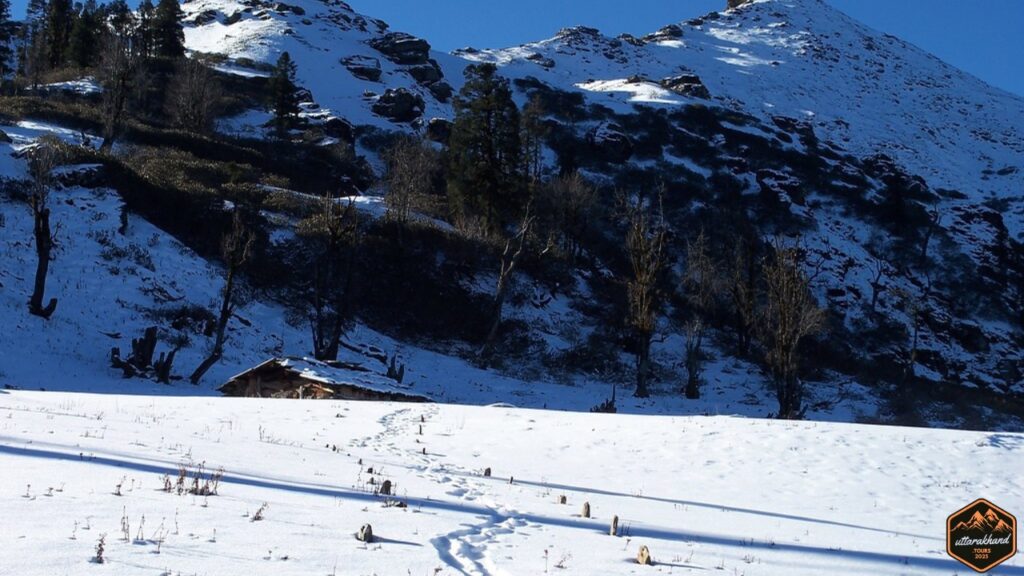
Kedarkantha Trek is famous for its winter beauty, which turns into a white wonderland between November – April covering the trail with thick snow. From December to February, be prepared for heavy snow, frozen lakes, and 360-degree views of peaks like Swargarohini, Bandarpoonch, and Kalanag when you hike the Sankri to Kedarkantha trek in the year 2025.
The Kedarkantha Trek covers over 20–24 km in a duration of 5–6 days and blends an excellent mix of adventure and culture and takes you through the pine forests, Garhwali villages and immerses you into in the backdrop of a famous sacred Lord Shiva temple at the summit. Kedarkantha is the perfect trek for both sunrise views and anyone wanting an easier Himalayan trek.
Detailed Itinerary: A 6-Day Adventure

Day 1 : Sankri- The start of the journey from Deharadoon.
The Kedarkantha Trek journey begins at the capital of the state of Uttarakhand: Dehradun. Around 6 in the morning – 09:00 AM shared Bolero/Tempo Traveler from Prince Chowk or ISBT, arranged by your trek operator. Sankri (6,400 ft) is a long 8–10 hour drive (200 km) through the hills of Mussoorie, Kempty Falls, and the valleys of the Yamuna and Tons rivers. Pause mid-journey to enjoy a hot lunch on the roadside dhaba (roadside eatery) near Purola, filling up some fresh mountain air in the lungs.
In the evening, you will reach Sankri, a picturesque Garhwali settlement and the base of many treks in the Himalayas. Check-in to a simple homestay such as, The Grand Shiva Homestay, where blankets and hot water are aplenty. Once you check in, you receive a briefing from your trek leader; he will give you details about the trek itinerary and safety protocols.
In the evening, stroll through the small market to find a local café for chai and have a conversation with the villagers about their ancestry linked to the Mahabharata. Dinner includes local dishes such as dal and mandua ki roti, and gets you into the mood for the trek. With temperatures falling to 0°C, bundle up and get some sleep for the trail.
Day 2: From Sankri to Juda ka Talab — Day 02 — Into the Wilderness
Having breakfast (parathas, porridge) as early in the morning as possible before you start your trek at 08.00. Juda ka Talab (9,100 ft) − 5 km trail, that takes 4–5 hours, and is a soft adventure for the newbie, who is headed for Himalayas. Shaded by dense woods of pine and oak, with a stream gurgling nearby, the path winds its way up. You will walk through the village of Saur, where the local Garhwal simplicity can be seen in the wooden houses and terraced fields.
In the afternoon, you will arrive at Juda ka Talab, a frozen (in winter) lake surrounded by snow-covered pines. The lake is steeped in mystique as it is believed to be an extension of Lord Shiva Juda his hair. Camp in alpine tents, enjoy a warm lunch and spend the afternoon of shooting photos or snowballs. The golden hue of Swargarohini ridges at sunset is reason enough to endure the night cold clad in -5°C to -10°C temperatures. At night, after dinner (khichdi, soup) and inside a warm sleeping bag, you could sleep under the stars.
Day 3: Juda ka Talab — Kedarkantha Base Camp – Rise and Shine
Post breakfast, start for a shorter 4 km hike to Kedarkantha Base Camp (11,250 ft) takes around 2.5 hours to 3 hrs. The trail becomes steeper, and snow-covered paths will necessitate careful footing (microspikes may be available). The forest trek will take you through greenish pine groves, patches of open clearings or dhoks, and picturesque views of the peaks of Bandarpookh and Kalanag. Depending on which way you look, shepherd huts are often on the view.
Reach base camp by noon — a vast pastureland giving 180° sight of lofty ranges veiled with snow. We proceed in the afternoon for a warm lunch, and then go for an acclimatization walk for our summit climb. So you spend the afternoon as a group — building a snowman, enjoying some tea or just taking in the views. With night comes magical moments: a campfire (if allowed) and stargazing under the clear skies of the Himalayas. As the temps get low, layer up and get to sleep for the dawn summit push. Food entails hearty meals to help with the big day ahead
Day 4: Summit Day & Back To Hargaon or Juda ka Talab
The ultimate highlight comes today: the summit of Kedarkantha Peak. Kick-offs are directed by headlamps in the two a.m. to 3 a.m. window, and participants are fed either sandwiches or protein bars to go. The climb over 2–3 hours to 12,500 ft is steep with snow and ice requiring microspikes and trekking poles. Your guide will maintain a moderate pace for safety on the narrow, winding trail.
The summit itself is like entering a postcard. At the top is a small Lord Shiva temple, decorated with a trident, where villagers believe that god meditated. Upon sunrise, you get a 360° view of your Swargarohini, Bandarpoonch and Black Peak, Gangotri-Yamunotri ranges. Take 30–45 minutes to enjoy the views, take pictures, and pray. You can literally feel a sense of achievement.
Start by trekking down from the summit to the base camp (2 hours) for a well-deserved brunch before walking another 7–9 km, up to Hargaon (8,900 ft) or Juda ka Talab (9,100 ft) depending on the itinerary. Suspending your breath to the forested Hargaon campsite is something but hard to see, while Juda ka Talab is a distance to the again, to the frozen lake. There are stories of the summit, hot snacks and a big dinner in the evening. Rest well, you have reached the top!
Day 5 — Heading back to civilization — Hargaon or Juda ka Talab to Sankri
After breakfast, Start the 4–8 km downhill trek to Sankri, a leisurely 3–5 hour trek which goes through forests and meadows. The more gradual slopes seize the scenery that surrounds you, the blue air off the evergreens, a breath come from a distant peak. Get to Sankri by early afternoon to find things such as a comforable guest house, hot showers, and a chance to charge any depleted devices (BSNL/Airtel services come back online here Are you reading you made it Sankri section?)
The rest of the afternoon, immerse yourself in the culture of Sankri Experience Garhwali culture as you visit household, relish pahadi food like mandua ki roti, or purchase woollen shawls. A lot of groups have a send off party with certificates for completing the walk. The evening meal is a smorgasbord of local produce, and the guesthouse is cozy enough for a good night’s sleep prior to the long drive back.
Day 6: Dehradun to Sankri — Goodbye to the Himalayas
Following breakfast (07:00–08:00 AM), you will board your vehicle for the 200 km return to Dehradun, following the picturesque route back through Purola and Mussoorie. The 8–10 hour journey is also broken with a lunch stop at a dhaba. You will arrive by 5:00–7:00 PM at Prince Chowk or ISBT of Dehradun for further travel or an overnight stay (Lemon Tree is a comfortable place to stay). Look back on your journey while already planning the next Himalaya trek,
What Makes Kedarkantha Special?

- Winter Wonderland: Between December and February, the trail is covered with heavy snow (2–4 ft) and transforms Juda ka Talab and the summit into a snow-covered wonderland. The during November and March–April milder snow for less strenuous walks.
- Sweeping vistas from the summit of Kedarkantha with a 360° panorama from Swargarohini (the link to the Pandavas final ascent to heaven) amongst other epic sights (pardon the pun, haha).
- Juda ka Talab: A photographer’s delight and the go-to camping destination, it is a frozen lake framed by pines
- Garhwali Culture: Expect warm hospitality, folk tales and Mahabharata-era history in the Sankri and Saur villages.
- Faith Factor: The temple of Lord Shiva at the top brings us to a different platform, as trekker tend to stop for a while out there, using it for reflection.
- Flora and Fauna: The Govind Wildlife Sanctuary, famous for Himalayan flora (rhododendrons, deodar) and fauna (monal birds, musk deer); a paradise for hard-core nature lovers.
How to Prepare for Kedarkantha

Physical Fitness
Although the Kedarkantha Trek 2025 is suitable for beginners, you do need a moderate level of fitness, especially for the summit day, which is 7–8 hours of steep ascent. Training 6–8 weeks before starting up:
- Cardio: Jog, cycle, or stair climb for 30–45 minutes every single day to practice endurance.
- Strength: Exercises such as squats, lunges, and planks help provide the legs and core with strength.
- Preparation: Walk 5–7 kms a day with a 10–12 kg bag on uneven terrain to simulate trek conditions.
Gear Checklist
Winter, High Altitude Packing:
- Outfit: Gore-tex jacket, thermal inners (2pairs), fleece, down jacket, quick-dry trekking pants, woolen socks (3pair), waterproof gloves, balaclava, woolen cap.
- Sample Gear List : 50-60L pack, trekking poles, headlamp with spare batteries, 1L water bottle, sunglasses (UV converts.06/ug SPF55 sunscreen, microspikes (often provided).
- Footwear: High-ankle, waterproof trekking boots (Example: Quechua) that have been broken in at least 2–3 weeks in advance Carry camp sandals.
- Others: Camera, power bank, dry bags, needle eco-friendly toiletries, ID card, cash ATM not available in Sankri.
Acclimatization and Health
- 3–4 liters of water every day for the equal purpose of preventing altitude sickness.
- Climb slowly, rest, and practice deep breathing.
- Have personal medicines (like allergy medications) or health problems directly related to a guide.
- Be aware of signs of altitude sickness (headache, nausea) and descend if serious.
Mental Prep
Or read blogs or watch videos (like those on the Indiahikes YouTube channel) and get an idea of the trail. Remain optimistic and adaptable, because the weather or the pace of the group may spoil your plans. Since there are many solo travelers as well as groups on the trek, feel free to make new friends along the way!
Safety First: Trek Smart

Guided/Support: Whether you opt to trek near home, Himalayan Hikers or Indiahikes, all offer local guides, medical kits, and oxygen cylinders-based support, and microspikes. Take cues from them on navigating the snow.
- Weather: Consult forecaststo view snowstorms (often a concern in Jan–Feb), such as AccuWeather. Never hike in poor visibility or after sunset.
- Eco-Friendly Practices: Leave No Trace—remove garbage, have toilet tents, do not disturb wild animals Conserve water at high camps.
- Emergency cases: Whenever there has been a necessity of any kind of rescues, operators work with the different forest departments. Hospital: closest is in Purola (60km from Sankri) Bring along a simple first aid set, and also a whistle.
Cost and Booking
- Price: ₹4,999–₹7,500 (Sankri to Sankri) or ₹6,000–₹9,000 (Dehradun to Dehradun), includes lodging, vegetarian meals, guides, permits, and equipment (tents, sleeping bags) Note: travel to Dehradun, personal equipment, porters (₹300-₹500/day) NOT included.
- Booking : Book early 2–3 months in advance for slots in December–January via trusted operators like Himalayan Hikers, Indiahikes or Trek the Himalayas. Adv. 20–30 % Pay Online Balance in Sankri (Cash/UPI) Cancellations subject to refund policies
- Size of the Group: Choose smaller group (10–15 trekkers) trek offering more personalized experience. Check TripAdvisor reviews, to guarantee quality.
How To Get There

By Air: IndiGo or Air India will take you straight to Jolly Grant Airport in Dehradun, located 22 km from the city if you’re headed from Delhi, Mumbai, or Bangalore. Fare of Taxis to Dehradun city is covered under the bracket of ₹500–₹800.
By Train: Dehradun Railway Station connects from:- Delhi (Shatabdi Express, 5–6 hours), Mumbai ( Dehradun Express, 24–30 hours), and Kolkata (Doon Express, 30–34 hours) IRCTC Book, reach a day prior
By Road: Overnight buses are available from ISBT Kashmiri Gate, Delhi to Dehradun (6–8 hours, ₹400–₹1,200). Shared operator arranged Bolero (₹800–₹1,200), or a private cab (₹4,000–₹5,000) from Dehradun to Sankri
Best Time for Snow
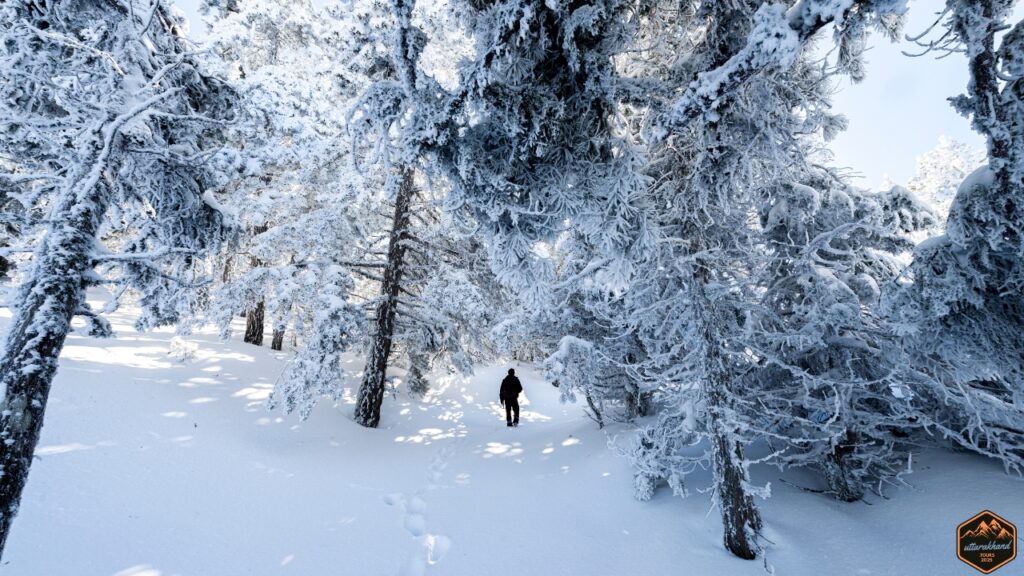
- Peak Snow (December–February): This is absolutely perfect if you aspire for thick snow, frozen Juda ka Talab, and icy trails. Day temps: 0 to 10 degrees Celsius; night: -10 to -2 degrees Celsius.
- Moderate Snow (November, March–April): Leftover snow at high elevation, friendly weather for novices. Day temps: 5C — 15C; night −5C — 2C.
- Stay Away (June–September): Monsoons mean muddy, slippery trails and landslides; summer lacks the trek’s snow-topped appeal.
Pro Tips for an Unforgettable Trek

- Equipment: The summit day is tough, so workout regularly. Beginners, don’t skip cardio!
- Photography: Juda ka Talab at sunset, summit sunrise & golden touch on Swargarohinie Bring a spare battery (cold sucks the power right out of em)
- No network after Sankri (only spotty BSNL coverage) Update family via guesthouse Wi-Fi at Sankri
- Culture: Mix with the locals of Sankri in form of eating their food, listening to folk stories and purchasing local handicrafts to give a boost to the economy.
- Sustainibility: Come Admire the Himalayas without Plastic, Trail, Flora or Fauna.
- After Trek: If you have extra days visit Robber’s Cave in Dehradun or go rafting and Laxman Jhula in Rishikesh.
Final Thoughts
Welcome to the Kedarkantha Trek 2025 — Six days of a snowy trek full of Himalayan mountains, frozen lakes, Garhwali warmth, and memories for a lifetime. Summary:Even if you are going there for the very first time or the hundredth, the exhilaration from summiting Kedarkantha and overlooking at the mighty ridges of Swargarohini, will be an everlasting memory, always and forever. Book in advance trust worthy operators like Himalayan Hikers or Indiahikes, travel light and get set for a wintry getaway of adventure and tranquility. Get set to answer the call of the Himalayas with Kedarkantha!
Kedarkantha Trek 2025: Most Frequently Asked Questions (FAQs)
What is the Kedarkantha Trek, and why is it popular?
When is the best time to do the Kedarkantha Trek in 2025?
How challenging is the Kedarkantha Trek and who can participate?
What is the itinerary for Kedarkantha Trek in 2025?
DAY 1: Travel 200km from Dehradun to Sankri (6,400 ft, 8-10 hours).
DAY 2: Trek 5 km from Sankri to Juda ka Talab (9,100 ft, 4-5 hours).
DAY 3: Trek 4 km to Kedarkantha Base Camp (11,250 feet, 2.5-3 hours).
DAY 4: Summit Kedarkantha Peak (12,500 ft) then descend to Hargaon (8,900 ft) or Juda ka Talab (7-9 km, 6-8 hours).
DAY 5: Return to Sankri (4-8 km, 3-5 hours).
DAY 6: Journey to Dehradun (8-10 hours).
What is the estimated price of the Kedarkantha Trek in the year 2025?
What’s the appropriate level of training required for the Kedarkantha Trek?
Cardio: Jogging, cycling, or stair climbing for at least 30 minutes daily.
Strength: Squats, lunges, and planks in order to strengthen the core and legs.
Practice: Walks of 5-7km daily with a 10-12 kg bag expanded in overcrowded conditions. General health is recommended to withstand a steep 12,500ft climb.
What equipment and clothing are recommended for the trek?
Clothing: Gore-Tex waterproof jacket, 2 sets of thermal inners, fleece and down jacket, and high ankle waterproof trekking boots.
Equipment: 50-60L backpacks, trekking poles, one liter water bottle, sunglasses, trekking pants, and socks and gloves.
Footwear: Above ankle, waterproof sandals that have been broken in 2-3 weeks prior to trekking.
Optional: Eco-friendly toiletries, power bank, dry bags, camera. Typically, operators provide microspikes and other camping gear such as sleeping bags and tents.
Doesn’t the Kedarkantha Trek create dangers, especially during winter?
What are the highlights of the Kedarkantha Trek?
Shimmering, thick snow from December to February and the frozen Juda ka Talab lake.
360 degree views of Swargarohini, Bandarpoonch, and Gangotri-Yamunotri mountain ranges from the summit.
Lord Shiva temple at the summit, where local legends and myths are told.
People and cultures of Garhwali, Mahabharata era in Sankri and Saur villages.
Govind Wildlife Sanctuary and it’s biodiversity including the Himalayan Monal and Rhododendrons.
How do I reach the starting point of the trek?
By Air:
Take an international flight operated by IndiGo or Air India to Jolly Grant Airport in Dehradun which is located 22 km away from the city center. Taxis to Dehradun cost 500 to 800 rupees.
By Train: Dehradun Railway Station is accessible from Delhi (Shatabdi Express, 5-6 hours), Mumbai (Dehradun Express, 24-30 hours), and Kolkata (Doon Express, 30-34 hours).
By Road: From Delhi you can board buses from ISBT Kashmiri Gate to Dehradun (6-8 hours, ₹400-₹1,200). From Dehradun to Sankri, use operator-arranged Bolero (₹800-₹1,200) or private cabs (₹4,000-₹5,000). For the 6:00-9:00 AM start to Sankri, arrive in Dehradun the day before. Note the open-air waiting with chill winds.
What is the accommodation like during the trek?
Are meals provided, and what type of food can I expect?
Breakfast: Chicken broth with bread, Parathas, Porridge, Eggs
Lunch: Rice, Dal, Sabzi, and Roti
Snacks: Tea, Maggi, Pakoras
Dinner: Khichdi, Soup, and local cuisine like Mandua ki Roti. Designed for high-functioning bodies, these meals are wholesome and aid sustainment for altitude. Carry personal snacks such as nuts or energy bars if required.
What about mobile coverage or the internet in the trekking region?
Is it safe for women? Can I go on Kedarkantha Trek alone?
What date do I need to arrange for the trek, and how do I arrange for it?
What do I need to know about altitude sickness on the trek?
Avoiding smoking and drinking.
Paying attention to the guide’s pace to avoid overexerting yourself.
Informing guides of persistent symptoms and descending immediately.
Relying on operators who carry oxygen cylinders for emergencies, at least one should be present.
Does Kedarkantha Trek promote ecological sustainability? How can I help?
Supporting handicraft stores or homestays, these are also ideal for dining living in Sankri.
Staying on marked paths to protect fragile flora.
Ensuring no wrappers, bottles, or other types of waste are left behind.
Adhering to the no and low plastic policies, greatly helps.
Avoiding interfacing or interfering with wildlife.
Fastidious waste practices, especially the no plastic rule protects the environment.

5 thoughts on “Kedarkantha Trek 2025: Your Ultimate Guide to a Himalayan Winter Adventure”