Introduction to Uttarakhand Treks
Trekking Routes in Uttarakhand, Let’s be real for a second. This is the state that often springs to mind when people talk of trekking in India. And for good reason. Uttarakhand is situated in the lap of the mountains, and it’s a gateway to some of the most beautiful scenery you’ll ever come across. It’s often referred to as ‘Devbhoomi’—the Land of Gods—, but for us hikers, it is simply the ultimate playground.
What makes the place so special is its sheer diversity. It’s not just one kind of landscape you’re getting here.
One side is flanked by the grassy, green meadows of Dayara Bugyal which give you feel like they were cut out of a Windows wallpaper. On the other, there is Gomukh, with its gaunt rocky silence, at the source of holy Ganges. Whether you’re in the mood for a light walk through pine forests or to conquer an arduous climb over a high-altitude pass, the Himalayan Trekking Routes in Uttarakhand have something for everyone.
But the trails here have a personality all their own. They feel ancient. The trails you’ll tread were walked through millennia by shepherds, pilgrims and merchants. You are not just walking on dirt, you are walking through history during these Trekking Routes in Uttarakhand.”
Another great thing is accessibility. You don’t have to be an elite athlete to tackle the Trekking Routes in Uttarakhand. Sure, some courses will have you losing your breath and your patience, but there are plenty for beginners as well. It is one of the rare spots where a first-timer can get right up close with 7,000 meter peaks without the need for technical climbing gear.
The mountains here are massive, gorgeous and at times merciless. But once you get that bit between your teeth, you understand why people return. It’s the same kind of addiction, wrap it up however you want to.
Why Uttarakhand Is a Trekker’s Paradise
You’d be forgiven for thinking that you’re visiting here only because of the magnificent vistas; but, as it turns out, you awaken every morning eagerly anticipating all that is to come. This place has a way of sneaking up on you. It provides a unique blend of raw nature and ancient culture that you just don’t get in many other mountain ranges.
First, the variety in the landscape is mind-blowing. The next day, you hike through dark evergreen forests of blooming rhododendron that come alive in vibrant reds in the spring. The next, you’re moving across a glacier, and all that’s around is white snow and jagged rock. It keeps you guessing. And you never get bored: every few hundred meters of elevation, the scenery changes dramatically.
And then there’s the human factor. The Trekking Routes in Uttarakhand‘s trail here wind through small, remote villages of stone and wood. These aren’t tourist traps. They are realistic homes where real people lead hard, simple lives. You are likely to be met with a bashful smile and an offering of hot tea. There is a completely new layer of emotion to your trip when you can see how the locals revere and live with the mountains.
Accessibility is another big plus for this area. One of the most common questions we get asked about now is how difficult are Uttarakhand treks and more often than not, the answer is a gladdening one. Even if you aren’t an ultra-marathon runner, these Trekking Routes in Uttarakhand can be fun. Of course, there are eye-popping challenges, including the brutal Kalindi Khal if you want to push yourself — and many people do. But there are also dozens of “easy” treks like Nag Tibba or Kedarkantha suitable for beginners or families. The infrastructure is there, and local guides help to make it doable for most.
Finally, let’s talk timing. Knowing when is the best time for Trekking Routes in Uttarakhand isn’t that limiting actually. Deep winter may close off the high passes, but it’s still a wonderland for snow treks on lower slopes. In summer, meadows are an inviting carpet of flowers and in the autumn after monsoon, it is a high time to have clear day view washed off foliage. In other words, the mountains are always open, you just need to find your flavor.
It’s that mix — the accessibility, the changing seasons and the quiet soul of the place — that makes it a perfect paradise for Trekking Routes in Uttarakhand.
Best Trekking Routes in Uttarakhand
Trekking Routes in Uttarakhand, here’s the part you wanted to hear. Choosing the “best” trek is rather difficult in fact all of us have to answer this alone, because we all are searching for different things. Some want to be challenged on a rigorous hike that has them pushing their limits, while others simply want a quiet stroll through the woods with good views. The good news? Uttarakhand has it all.
Trekking Routes in Uttarakhand can seem bewildering. You get short weekend jaunts, week-long expeditions and long month journeys over groupes of high altitude passes. These Trekking Routes in Uttarakhand are scattered all over the Garhwal and Kumaon, each giving you a different taste of the mountains. From serene bugyals (meadows) to frozen glacial lakes, there’s a trek calling your name.
To help, we’ve simplified a few of the most popular and stunning routes. For the Trekking Routes in Uttarakhand below, we’ll also provide you with the need-to-know information: where it starts and how difficult it is; when to go, how long it takes and what the high point will be. Thus enabling you to seek an adventure that best suits your form and availability.
Let’s dive into the trails. 👉 most challenging treks in Uttarakhand
Trekking Routes in Uttarakhand
Har Ki Dun Trek: The Valley of Gods
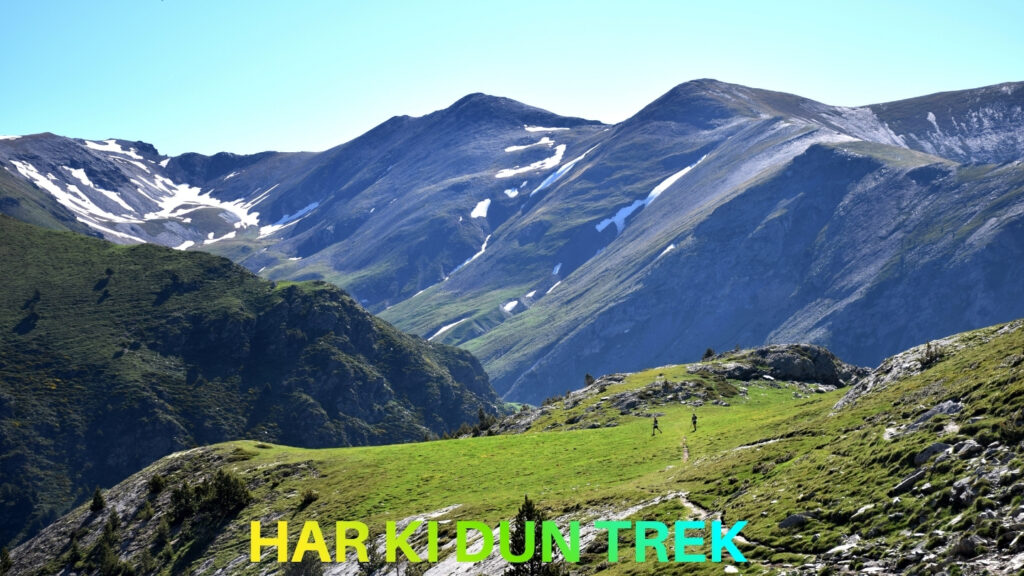
The Har Ki Dun trek is an evergreen. Trekking Routes in Uttarakhand It’s one of those trails that has a little bit of everything, which is why it’s so beloved by both novices and experienced hikers. It’s one of the most popular Uttarakhand trekking routes and is dubbed by many as Valley of Gods due to its mythological association with Mahabharata.
What’s special about this trek is the traverse across the prehistoric, hanging valley. You trek along the Supin River through pretty, isolated villages where it feels like life has not moved much for centuries. As much as the views, it is the local culture here that makes the experience. You’ll catch sight of villagers in traditional dress and polished wood houses that have stood for hundreds of years.
The trek is easy by high altitude-trekking standards, and the trail itself provides for a gradual ascent in most places. The valley opens up to offer great views of Swargarohini, Bandarpoonch, and Kalanag peaks. It is the best way to get introduced to the world of Himalayan treks in Uttarakhand.
- Start Point: Sankri
- Difficulty: Easy to Moderate
- Best Time: April to June & September to December
- Duration: 7–8 days
- Highest turn-point: 11,675 ft (3,566 m)
Valley of Flowers Trek: A Carpet of Colors
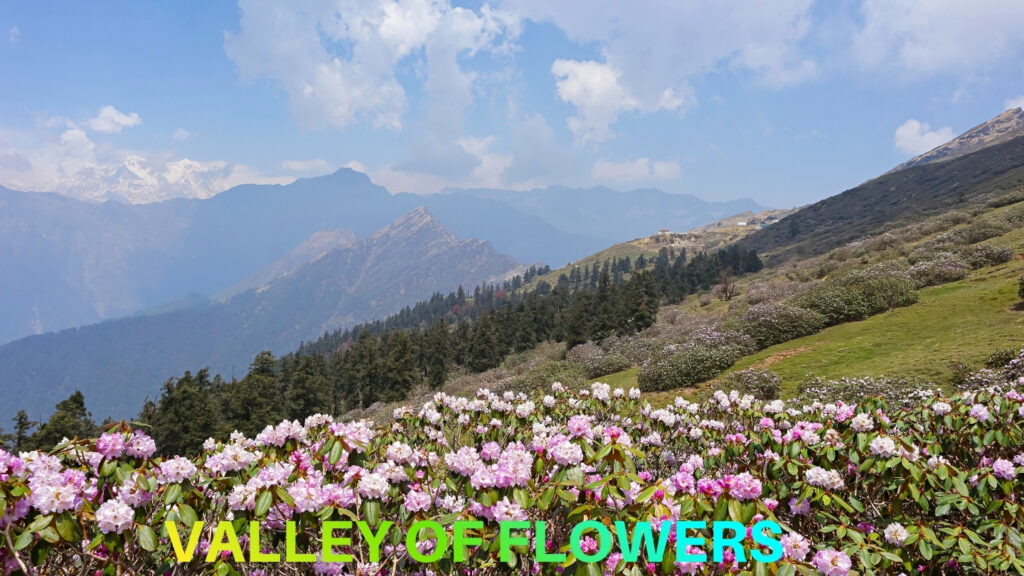
For those of you who have dreamt of setting foot in a real-life fairytale, here is where you oughta be- A Valley of Flowers trek. This is not a clever name, but a literal description. Every year for just a few brief months, this high-altitude valley explodes in a breathtaking riot of colour as hundreds of wildflower species carpet the landscape. It’s a UNESCO World Heritage listing , and you’ll understand why the moment you enter it.
That’s because it is one of the best-known Trekking Routes in Uttarakhand for a reason. The hike isn’t too strenuous so most people with a modest level of fitness should find it possible. The trail from Ghangaria to the valley is an easy hike and can allow you to admire the stunning view without being too much tired. You are surrounded by a sea of blue poppies, primulas and orchids, the whole scene framed by dramatic lines of snow-dusted peaks.
A bonus on this journey is the side trip to Hemkund Sahib, a venerated Sikh pilgrimage destination alongside picturesque glacial lake. The ascent to Hemkund is very steep and can be the hardest thing you’ll do on your journey, but there is a spiritual aura at the top and some of best panoramas anywhere. And it lends a potent cultural and physical dimension to one of Uttarakhand’s best hikes.
- Start Point: Govindghat
- Difficulty: Easy to Moderate
- Best Season: July to September (flowers bloom during the monsoon season)
- Duration: 6–7 days
- Highest Point: 14,100 feet (4,300 m) at Hemkund Sahib
👉 Valley of Flowers National Park trek
Roopkund Trek: The Mystery of the Skeleton Lake
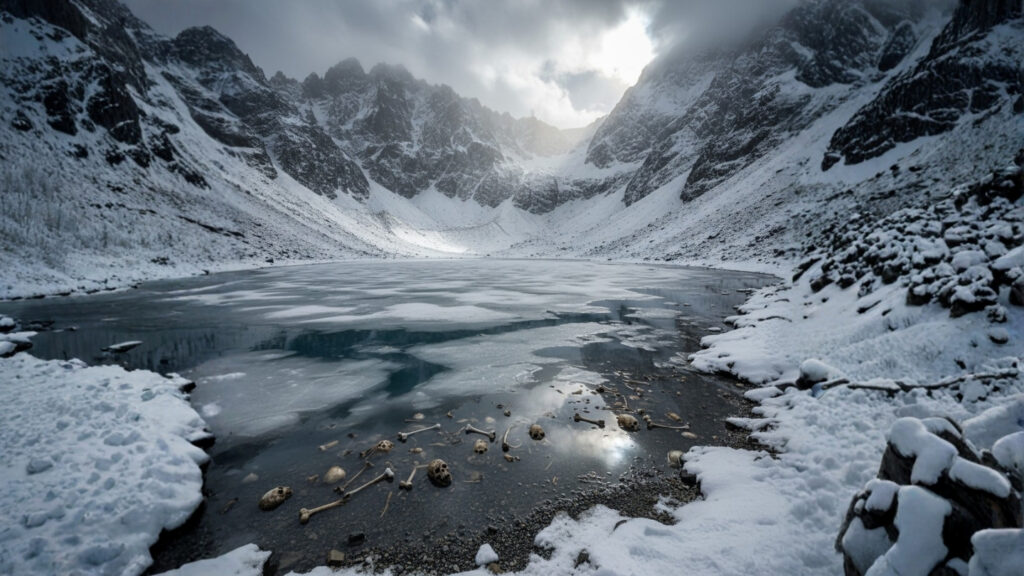
The Roopkund trek is the stuff of legends, and not only because of the climb. It has a built-in ghost story right on the landscape. This trail leads to a glacial lake perched at an alarmingly high altitude that abounds with hundreds of human skeletons which are revealed once the ice thaws. It’s creepy, absorbing and utterly unforgettable.
But don’t be put off the beauty by those spooky stories. This is undoubtedly one of the most beautiful treks in Uttarakhand. You begin by wandering through deep, ancient oak forests that feel as if they came out of a fantasy novel. As you rise, the trees recede and pass away as you enter into the giant expanse of Ali Bugyal and Bedni Bugyal. These fields are so green and vast that you’ll just want to strip off and lie on the ground staring at the sky for hours.
Though be warned: It’s an intense experience, and it’s not for the faint of heart. The trek to the lake is quite steep, and the air thins a bit. It’s a formidable test for anyone ready to move from beginner hikes to serious trekking in the Himalayas of Uttarakhand. The last dash to the lake scarcely goes down easy, but standing at the edge of that ice-locked water, nestled between towering bastions sawn by mountaintops like Trishul and Nanda Ghunti, is a feeling you cannot put in a bottle.
- Start Point: Lohajung
- Difficulty: Moderate to Difficult
- What’s Best Season: May to June & September to October
- Duration: 8–9 days
- Most Elevation: 15,750 feet (4,800 meters)
Kedarkantha Trek: The Perfect Winter Summit
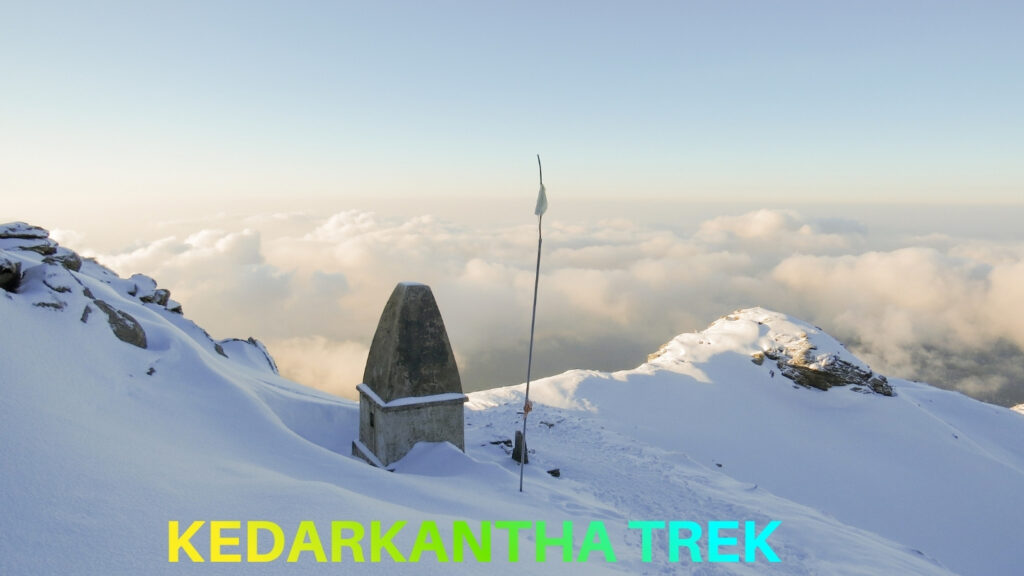
If you’re looking for the perfect introduction to winter trekking, the Kedarkantha trek is your answer. It has become one of the most popular winter treks in India, and for good reason. It offers the magical experience of a summit climb without needing any technical skills, making it incredibly rewarding for beginners. This is one of those Uttarakhand trekking trails that delivers stunning 360-degree views of the Himalayas from the top.
The journey to the summit is just as beautiful as the destination. You walk through enchanting pine and oak forests, which are usually blanketed in thick snow during the winter months. The campsites are picturesque, especially Juda-ka-Talab, a frozen lake surrounded by trees. Waking up to a fresh layer of snow outside your tent is a core memory you won’t soon forget.
The final push to the summit starts before dawn, but watching the sunrise paint the Himalayan peaks in shades of orange and pink makes the cold and effort completely worth it. From the top, you can see a massive range of snow-capped mountains, including Swargarohini, Bandarpoonch, and Kalanag. It’s a truly epic payoff for a relatively short and accessible trek, solidifying its place as a must-do among Himalayan treks in Uttarakhand.
- Start Point: Sankri
- Difficulty: Easy to Moderate
- Best Season: December to April (for snow), also accessible in September-November
- Duration: 5–6 days
- Maximum Elevation: 12,500 ft (3,810 m)
Kuari Pass Trek: The Lord Curzon Trail
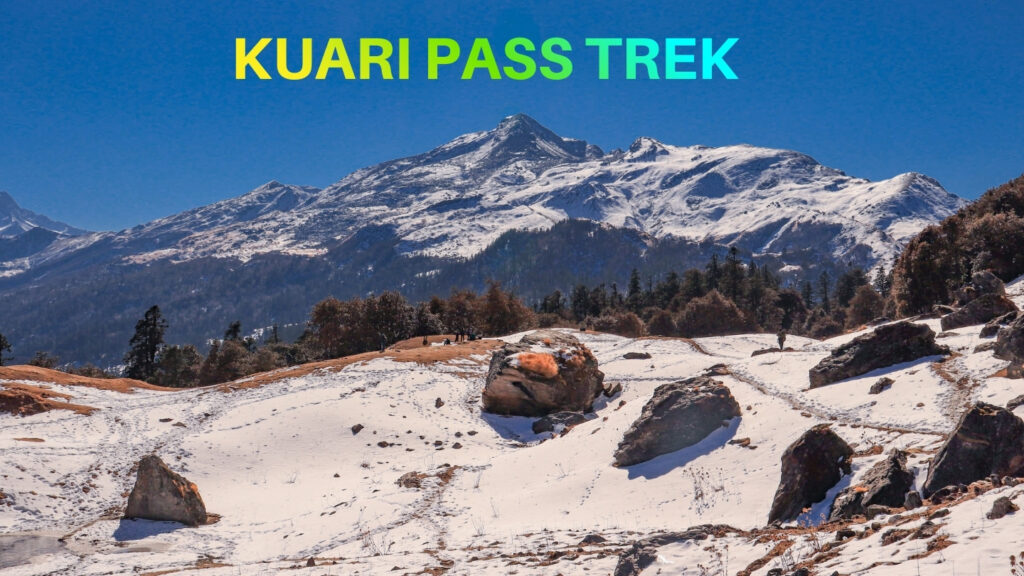
This trek is a history lesson and a geography class rolled into one adventure. Known as the Lord Curzon Trail, the Kuari Pass trek was discovered by the former Viceroy of India back in 1905. Why did he love it? Because the views are simply unbeatable. If you want to see India’s biggest mountains up close without actually climbing them, this is the trail for you.
You are walking through ancient forests of oak and rhododendron that open up into vast meadows, locally called ‘bugyals’. But the real showstopper is the mountain panorama. From the pass, you get a front-row seat to giants like Nanda Devi (India’s second-highest peak), Dronagiri, Kamet, and Trishul. It’s rare to find Uttarakhand trekking trails that offer such high-impact views for relatively moderate effort.
The trek is fantastic for beginners who want a taste of a real expedition. You’ll camp in beautiful clearings like Gorson Bugyal, where the golden grass glows in the sunset. The trail isn’t technically difficult, but it does have its steep sections that will get your heart pumping. It’s widely considered one of the best winter Himalayan treks in Uttarakhand because the snow makes the forests look like Narnia, but the pass remains accessible when others are closed.
- Start Point: Dhak Village (near Joshimath)
- Difficulty: Easy to Moderate
- Best Season: November to March (winter) & April to June
- Duration: 6 days
- Maximum Elevation: 12,516 ft (3,815 m)
Brahmatal Trek: The Frozen Lake Adventure
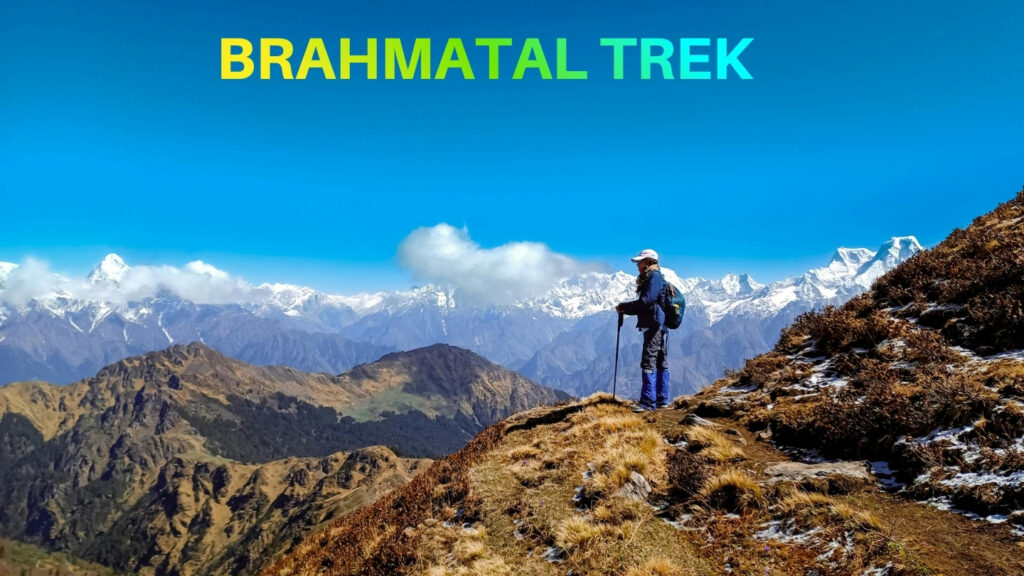
If you think winter trekking is only for the experts, the Brahmatal trek is here to prove you wrong. This is arguably one of the most underrated Uttarakhand trekking trails for snow lovers. While everyone else is flocking to more crowded routes, Brahmatal offers a quieter, more intimate experience with the mountains.
The highlight here is the lake itself. In the winter months, Brahmatal freezes over completely, sitting like a glass mirror amidst the snow-covered slopes. But honestly, the real magic happens on the ridge walk towards the summit. As you hike along the spine of the mountain, you get front-row views of Mt. Trishul and Nanda Ghunti that are so close you feel like you could reach out and touch them.
The trail winds through beautiful forests of oak and rhododendron, which look absolutely magical under a blanket of fresh snow. It’s a fantastic option if you want to experience Himalayan treks in Uttarakhand without needing technical mountaineering skills. The ascent is gradual, giving your body plenty of time to adjust, but the views from the top rival those of much harder expeditions.
Whether you are looking for your first winter trek or just want a stunning weekend escape, this route delivers big rewards for moderate effort.
- Start Point: Lohajung
- Difficulty: Moderate
- Best Season: December to March (for snow views)
- Duration: 6 days
- Maximum Elevation: 12,250 ft (3,734 m)
Dayara Bugyal Trek: The Most Beautiful Meadow
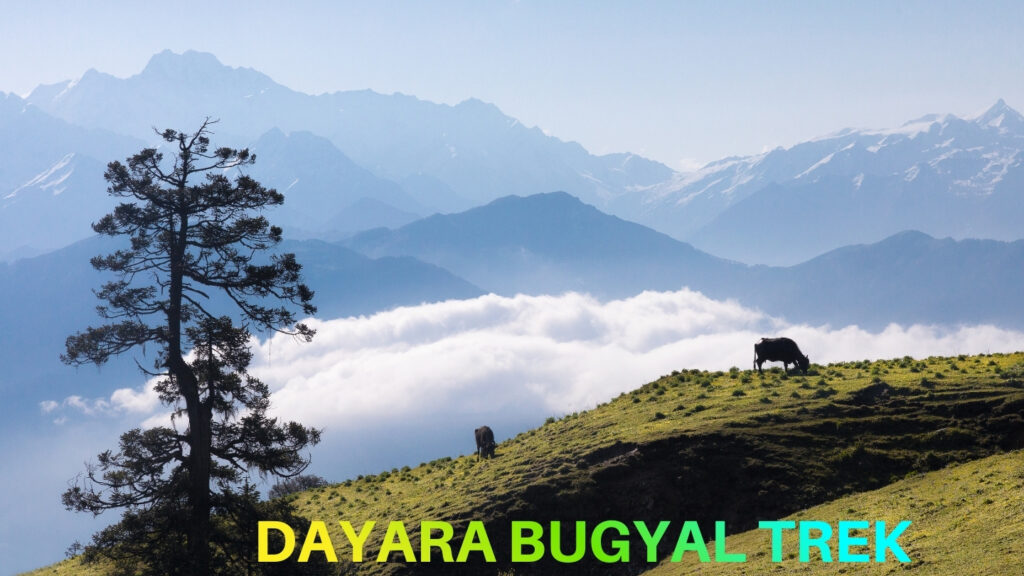
Sometimes you don’t want to climb a jagged peak; you just want to frolic in a meadow. That’s exactly what the Dayara Bugyal trek is for. “Bugyal” means “high-altitude meadow” in the local language, and Dayara is arguably one of the most stunning ones you will ever see. It’s vast, rolling, and feels like you’ve stepped into a screensaver.
This is widely considered one of the best Uttarakhand trekking trails for families and beginners. The slopes are gentle, the distances are manageable, and the payoff is huge. In the winter, these meadows turn into kilometres of pristine snow slopes, making it a favorite for skiers and snow-trekkers alike. In the summer and monsoon, the grass is a vibrant green, dotted with yellow and purple wildflowers.
The panoramic view from the top is the real highlight. You get an unobstructed look at the Gangotri range, Bandarpoonch, and Black Peak. It’s rare to find Himalayan treks in Uttarakhand that offer such massive mountain views with such little physical strain. Whether you are bringing your kids for their first trek or just want a relaxing weekend in the wild, Dayara Bugyal is hard to beat.
- Start Point: Raithal
- Difficulty: Easy to Moderate
- Best Season: May to June, September to November, & January to March (for snow)
- Duration: 4–5 days
- Maximum Elevation: 11,181 ft (3,408 m)👉 Dayara Bugyal trek
Gomukh Tapovan Trek: The Source of the Ganges
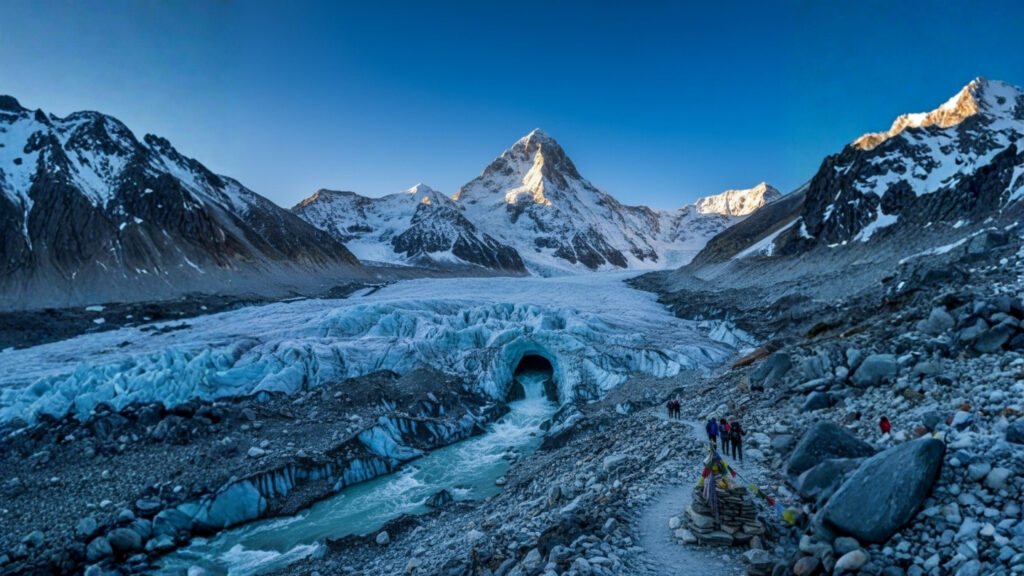
This is not only a hike; it’s a pilgrimage for the heart. Located at the very source of it — the snout of the Gangotri Glacier or more popularly called Gomukh, is where you will find yourself after trekking to Gomukh Tapovan. it is the actual point of origin of the sacred River Ganges. Even if you’re not religious, and even if nobody’s spraying holy water on anyone, standing there watching the glacial water pour out with such raw power is pretty spiritual.
The landscape here changes drastically. You leave the lush green valleys behind and walk into a place of bare, rocky land that at points seems almost alien. It is one of Uttarakhand’s most emotive trekking trails simply because you never stop walking in the shadow of mountains. The Bhagirathi peaks tower over you like wordless sentinels and the giant face of Shivling bursts out of the ground like a broken tooth.
Getting to Tapovan is the icing on the cake. It’s high-altitude meadow, nestled at the base of Mount Shivling. It’s an astonishing contrast — golden grass and blue streams held in by vertical rock walls and ice. It’s a popular destination for sadhus (holy men), who come and meditate in the caves here, and you’ll quite possibly catch sight of herds of blue sheep (Bharal) grazing as well.
This is a serious adventure. It’s rougher and rockier than many other Himalayan treks in Uttarakhand, meaning you’ll have to pick your way through glacial moraines as well as boulder fields. But for those who make the pilgrimage, the payoff is an intimate encounter with the unfathomable raw power of the Himalayas.
- Start Point: Gangotri
- Difficulty: Moderate to Difficult
- Best Season: May-June & Septr-October
- Duration: 6–8 days
- Highest Altitude: 14,600 ft (4,463 m) at Tapovan
Final Thought Uttarakhand: Your Next Adventure Awaits
The state of Uttarakhand in the Indian Himalayas is definitely a trekker’s paradise – whether you are after an adrenalin rush that comes with reaching snowy summits, or simply want a tranquil walk through flower-covered meadows that touches your soul. From the legendary Har Ki Dun valley to the divine splendour of Gomukh Tapovan, this state has so much beauty that it will be difficult to explore such variety in any other parts of the world.
IndiaWilds – protected wildlife & sanctuary info
It’s not just the towering peaks or the physical challenge that makes trekking here special; it’s the whole experience. It’s the hospitality of villagers sharing a cup of chai, the silence of an ancient oak forest and that memorable moment when clouds dissolve to unveil the Himalayas in all their resplendence. These mountains not only test your endurance, but also provide a perspective that remains with you long after you have returned to city life.
World Health Organization altitude sickness advice
Easy accessibility is what makes the Himalayan treks of Uttarakhand beautiful. You don’t have to be a pro mountaineer to see these wonders. But there are alternatives, from the family friendly slopes of Dayara Bugyal to the challenging heights of Roopkund, accessible to any with a sense of adventure and pair of sturdy boots.
National Geographic travel insights
So, dream not just of the mountains — go meet them. The trails are calling, the views are set and the adventure of a lifetime is just one backpack away. So pack your bags, put on your shoes and prepare yourself to find out why Uttarakhand is indeed a trekker’s heaven.
latest Himalayan weather forecast from IMD
Trekking FAQs Here is some information and common questions answered about trekking in Uttarakhand.
Trekking in the Himalayas can seem like a monumental task, but it needn’t be so complex. Below are responses to common questions to help you prepare for your adventure.
What is the best season to trek in Uttarakhand?
-Summer (April - June) One of the most popular seasons with moderate climate. Most of the lower to mid-elevation trails are now snow-free and rhododendron forests are at peak bloom.
-Monsoon (July to August): Best time for treks like Valley of Flowers where blooms come out in full force during this period. But many more trails are highly susceptible to landslides and best avoided.
-Autumn (September–November): It is universally regarded as the best time to visit. The monsoon has cleared the dust from the air, providing a crystal-clear view of the high Himalayan peaks. It is mild and fair outside.
-Winter (December to March): Snow enthusiasts will revel in this season. The treks such as Kedarkantha and Brahmatal are known for their winter charm that make them feel like you’re walking in snow clad wonderlands.
How challenging are the treks in Uttarakhand?
-Easy These are perfect journeys for beginners and families, with easy-to-follow trails and only mild altitude gains. Dayara Bugyal is a perfect example.
-Moderate: These are physical walks that require a reasonable level of fitness. They are more challenging with longer walking days, steeper climbs and higher altitudes. Trek such as Valley of Flowers,Kuari Pass and Brahmatal are in this list.
-Challenging: These are for trekkers in similar shape and experience as those trekking a difficult level of difficulty, but with more of a heart for challenge and adventure. The harder treks are Gomukh Tapovan and Roopkund.
Are there any special permits required for trekking?
What gear should I bring?
-Shoes: Sturdy pair of waterproof trekking shoes with good grip and ankle support.
-Clothing: Layering is key. Don’t forget moisture-wicking t-shirts and fleece jackets, along with a waterproof and windproof outer layer. For winter, add thermal wear.
-Backpack: A 40/50L backpack should be enough for a week long trek.
-Medical & Safety: First aid kit, sunscreen, sunglasses, sunhat and your own personal medication.
-Additional Necessities: Headlamp, water bottle or hydration pack, trekking poles, high-energy snacks.
– Indian Mountaineering Foundation safety guidelines
