

Table of Contents
Why Uttarakhand Deserves a Spot on Your Spiritual Bucket List
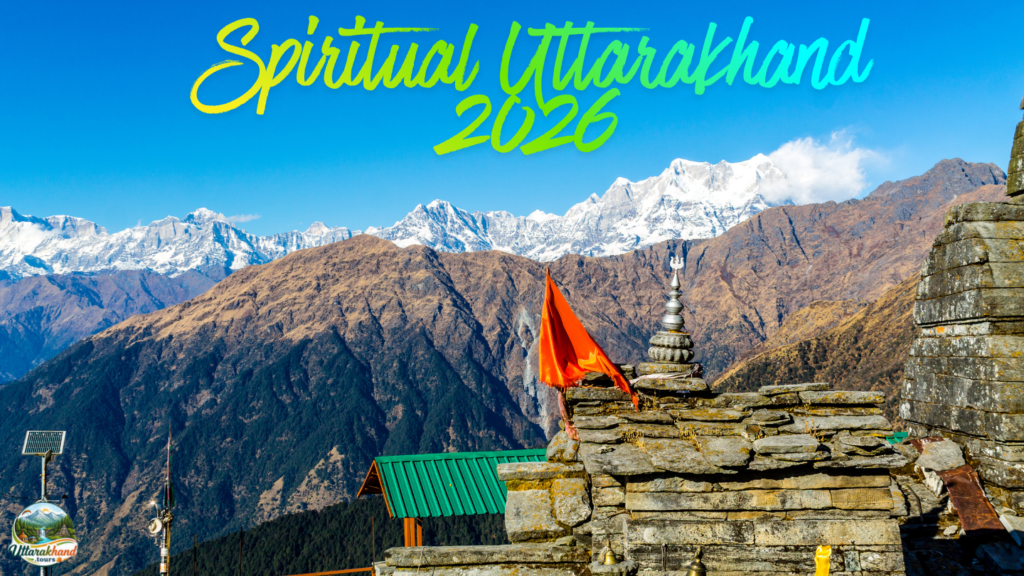
If your weekend routine involves caffeine, memes, and vague existential dread, maybe your soul’s GPS is screaming for a reroute. Enter Uttarakhand, often called Dev Bhoomi — the Land of Gods. This Himalayan state promises what your digital detox app can’t: peace, purpose, and jaw-dropping scenery.
Spiritual Uttarakhand isn’t just about rituals and bells. It’s where faith meets adrenaline — mountain hikes to ancient shrines, icy river dips with spiritual warmth, and communities that live devotion in the simplest way. Whether you’re looking for divine blessings, dramatic selfies, or a combination of both, Uttarakhand offers all three in perfect sync.
For a full travel experience and guided packages, explore Uttarakhand Tours.
Kedarnath Temple: A Sacred Challenge in the Heart of the Himalayas

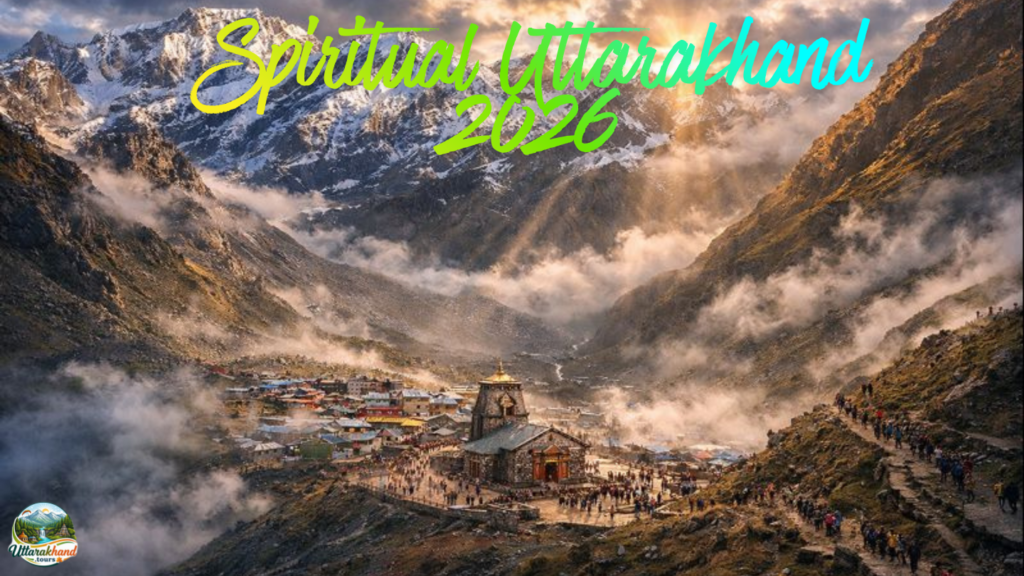
No spiritual journey to Uttarakhand is complete without bowing before Lord Shiva at Kedarnath. Perched at a breathtaking 3,583 meters, this temple sits among the lofty Garhwal Himalayas, surrounded by peaks that look straight out of mythology.
Why it’s special:
- It’s one of the 12 Jyotirlingas of Lord Shiva.
- It plays a key role in the Char Dham circuit — among Badrinath, Gangotri, and Yamunotri.
- Locals believe the temple was originally built by the Pandavas and later revived by Adi Shankaracharya.
The 14-kilometer trek from Gaurikund to Kedarnath is not for the faint-hearted. Between unpredictable weather and oxygen-thin air, the climb tests both spirit and stamina. But nothing compares to the first glimpse of the Kedarnath shrine glowing under snowy peaks. That’s the moment almost every pilgrim tears up — not just from exhaustion.
💡 Travel tip: Begin your trek before dawn, hydrate often, and avoid monsoon season.
📍 Learn more: Kedarnath Yatra
Tungnath: The World’s Highest Shiva Temple
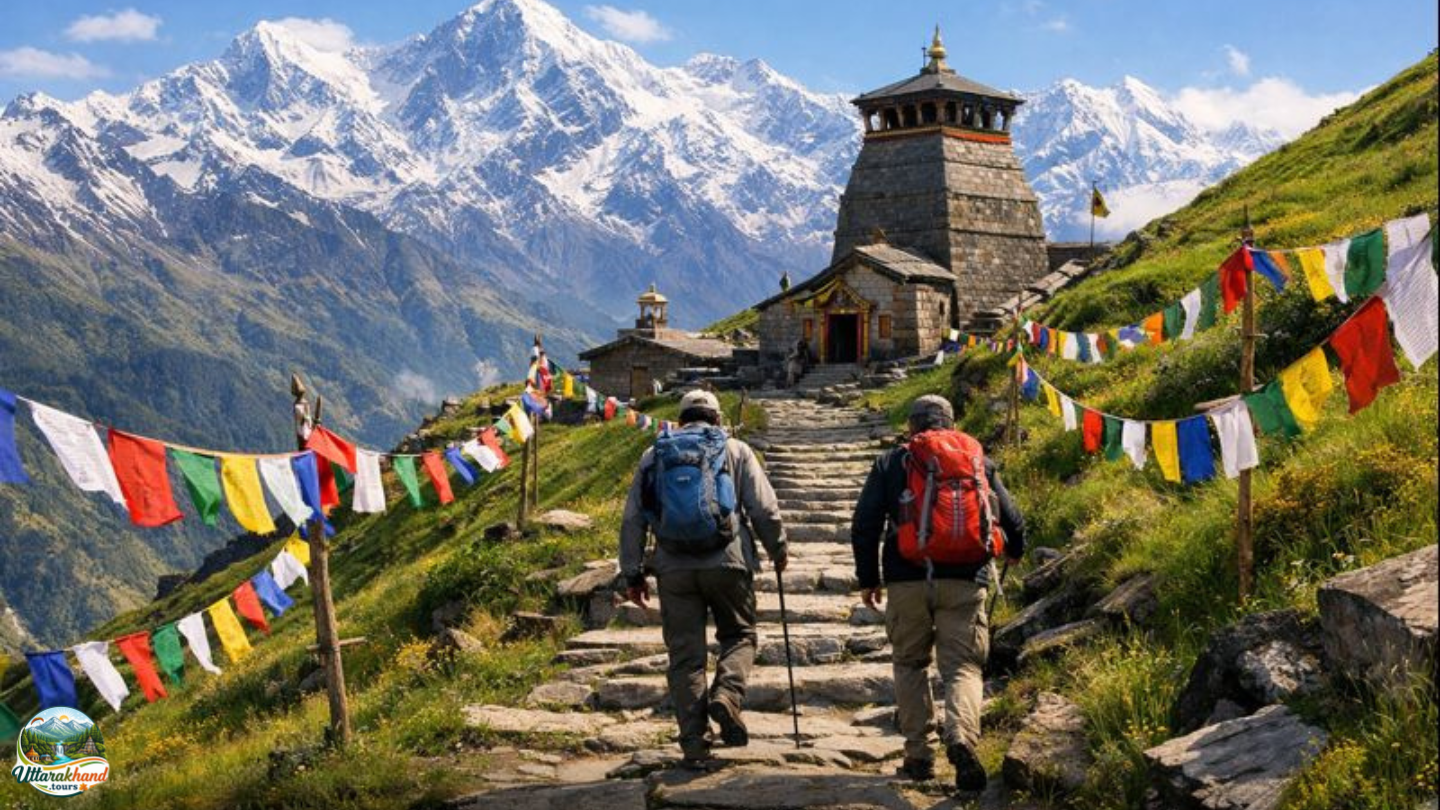
Just when you think your spiritual cardio can’t get tougher, Tungnath Temple humbles you. Located at 3,680 meters, it’s not only the highest Shiva shrine on Earth but also part of the Panch Kedar pilgrimage.
The short trek from Chopta is steep yet refreshing — meadows, pine forests, and glimpses of the Chaukhamba ranges make every breath worth it. Once there, you’ll find peace so pure it almost feels unreal. Don’t confuse the dizziness with nirvana; altitude often plays tricks.
On clear days, extend your hike 1.5 km further to Chandrashila Peak, where panoramic Himalayan views silence even the most talkative trekkers.
Badrinath Temple: Vishnu’s Abode Among the Clouds

Moving from Shiva’s domain to Vishnu’s home, Badrinath Temple sits beside the Alaknanda River at an altitude of 3,300 meters. Surrounded by the Nar and Narayan Mountains, this temple radiates positivity that feels less religious, more universal.
Quick facts that make it unmissable:
- One of the four Char Dham pilgrimage sites.
- Believed to have been rediscovered by Adi Shankaracharya in the 9th century.
- Famous for the Tapt Kund, a natural hot spring said to have purifying powers.
During peak season, expect massive crowds, but also heartwarming camaraderie. Pilgrims share tea, stories, and space — reminding you that spirituality here isn’t solitary.
🕉️ For personalised itineraries, plan through Badrinath Dham Yatra.
(External reference: Learn about Himalayan temples at WanderWithRaj Blog)
Gangotri: The Celestial Origin of the Ganges
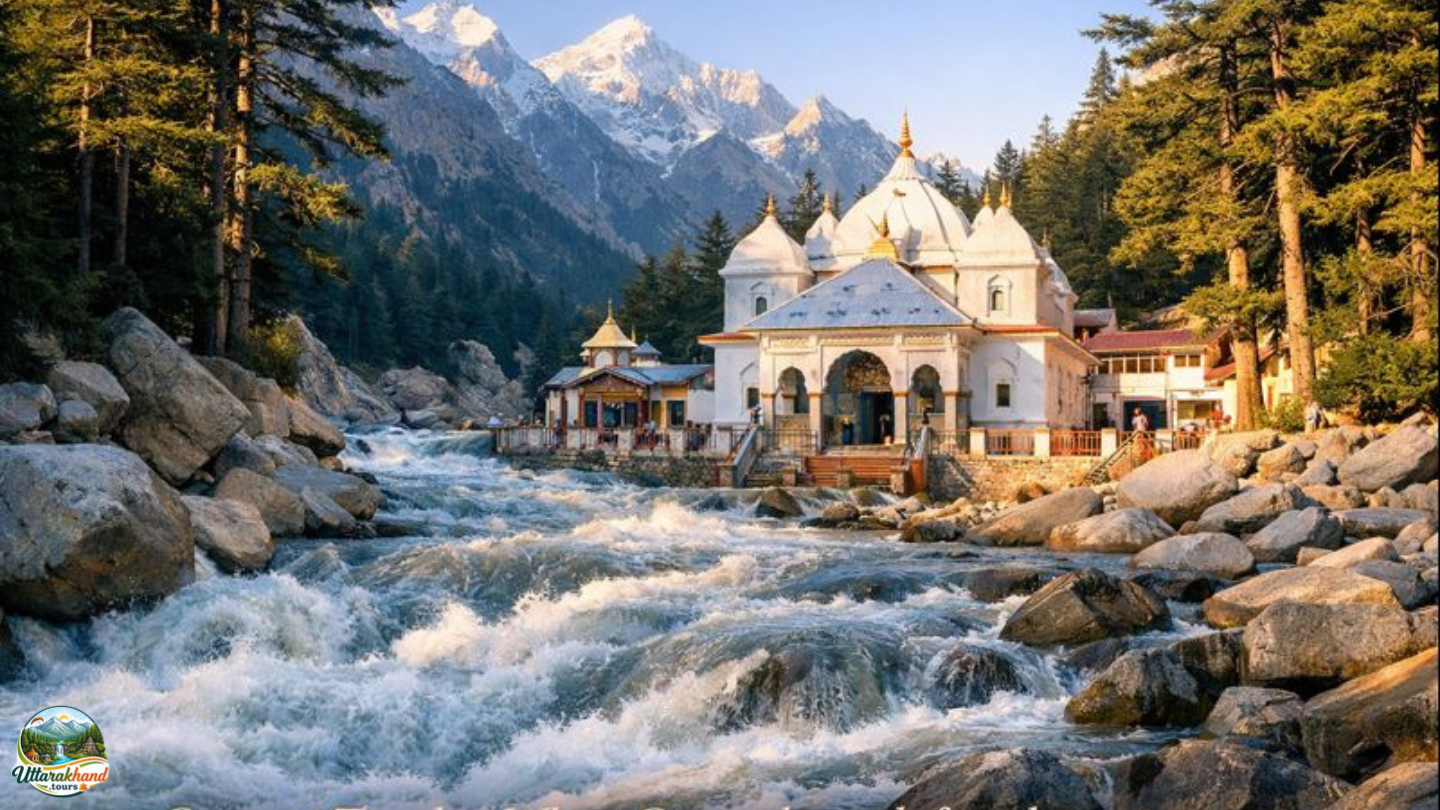
Gangotri Dham, one of India’s most sacred temples, honors the Goddess Ganga. Legend says this is where King Bhagirath’s penance brought the river down from heaven to cleanse humanity’s sins.
The serene white structure of the temple, flanked by pine trees and snow peaks, makes you feel like you’ve stepped into a painting. Even if you’re agnostic, the spiritual vibrations here are undeniable.
Pro tip: Take a moment by the Bhagirathi River, close your eyes, and let the mountain wind do its quiet counseling.
Yamunotri: The Untamed Spirit of the Yamuna
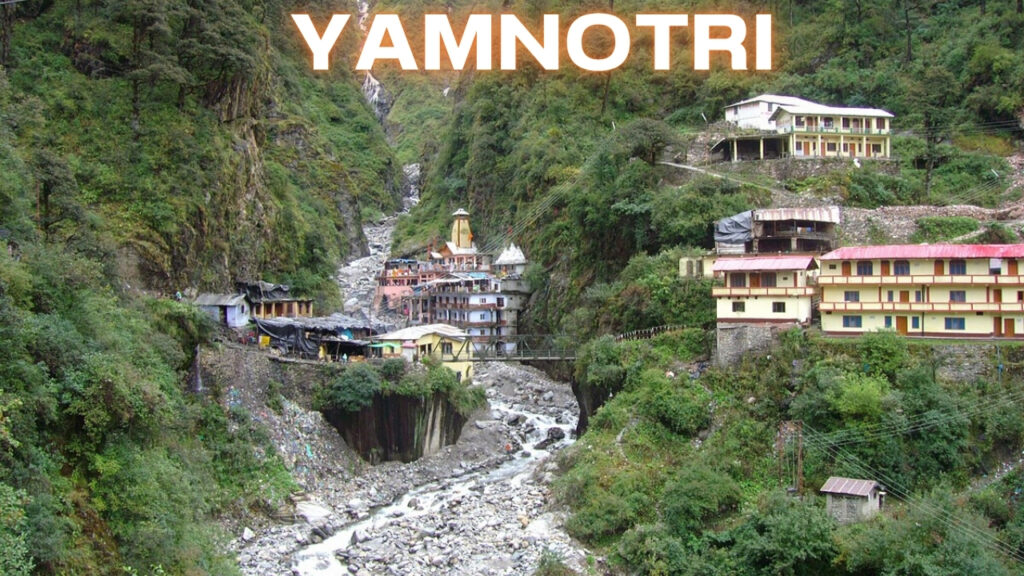
The twin sister of Gangotri, Yamunotri Temple is located in the western Garhwal ranges at 3,293 meters. Dedicated to Goddess Yamuna, this spot marries natural beauty with endurance adventure.
You’ll trek through mountain forests, cross hot springs, and possibly question all your life choices until you reach the shrine. But the first dip in the Surya Kund hot spring makes every drop of effort worthwhile.
If you’re lucky, you might witness pilgrims cooking rice in the boiling spring — then offering it as prasad. It’s the Himalayas’ version of divine slow cooking.
Panch Kedar: Shiva’s Five Sacred Hideouts

For those willing to go beyond tourist trails, the Panch Kedar Yatra is the ultimate spiritual workout. Spread across remote valleys of Garhwal, the five shrines — Kedarnath, Tungnath, Rudranath, Madhmaheshwar, and Kalpeshwar — tell the story of Shiva’s post-war escape from the Pandavas.
The trek stretches across dense forests, icy rivers, and meadows dotted with rhododendrons. Each temple carries a piece of the divine legend:
- Kedarnath – The hump of Shiva.
- Tungnath – The arms.
- Rudranath – The face.
- Madhmaheshwar – The navel.
- Kalpeshwar – The hair.
Beyond mythology, Panch Kedar offers something modern saints crave — digital disconnection. It’s just you, the wind, and an overwhelming sense that life, somehow, makes sense out here.
More stories from trekkers: TravelSutra Blog
Haridwar: Where Faith Flows with the Ganges

If you’ve ever doubted whether faith can be felt, stand at Har Ki Pauri during the Ganga Aarti in Haridwar. Thousands of diyas float on the river while chants fill the air — a living, breathing spiritual symphony.
Climb (or take the ropeway) to Mansa Devi or Chandi Devi Temple for views that merge the sacred and scenic. And yes, sampling Haridwar’s famous street food is part of spiritual practice here — from aloo puris to frothy lassi.
💬 Travel resource: Haridwar Travel Guide.
Travel Tips: Mastering Uttarakhand’s Holy Madness

- Pack like a pro: Layers, comfortable shoes, woolen socks, and lightweight rain gear.
- Eat light, pray harder: Mountain food is simple, so skip heavy meals before treks.
- Hydrate wisely: Clean bottled water or boiled mountain spring water only.
- Respect local culture: Dress modestly, avoid loudspeakers or drones near temples.
- Timing matters: Avoid May–June rush; September–November offers serenity.
- Go eco-friendly: Use refillable bottles, and say no to plastic.
Spiritual Uttarakhand for the Modern Traveler
Uttarakhand proves something rare: you can find humour, humility, and holiness in one place. It’s not about strict rituals but about reconnecting — with nature, strangers, and yourself. Every trail has a story, every temple a whisper, and every tea stall a laugh waiting to happen.
When you return, the mountain silence stays with you. And when you post that perfect temple selfie — earned through sweat, patience, and divine Wi-Fi — you’ll know this trip was worth every altitude headache.
FAQs About Spiritual Uttarakhand, Char Dham, and Temple Trips
What are the prominent spiritual spots in Uttarakhand?
Uttarakhand is studded with religious places, including Kedarnath, Badrinath, Gangotri, Yamunotri, Tungnath, Haridwar, and Rishikesh. Serious pilgrims and casual seekers looking for a peaceful reprieve in the mountains flock to these spaces.
What is the Char Dham Yatra in Uttarakhand?
Char Dham Yatra is a traditional way to pilgrimage to four temples in the Himalayas, including Yamunotri, Gangotri, Kedarnath, and Badrinath. Lots of people think going around this giant circuit absolves them of their past bad behavior and promotes spiritual growth, which is why it makes so many “things to do before I die” lists.
What is the usual time when the Char Dham Yatra gets opened?
The Char Dham temples are usually open from late April or early May to November, or until Diwali. When heavy snowfall and winter arrive, the shrines close for the season, and the deities are transferred to temples at lower altitudes.
How many days are required for the Char Dham Yatra?
It usually takes 6 to 10 days to complete the AstiKaal or Char Dham Yatra circuit by any mode of transport (Two-wheelers, Cars, Tempo travellers, and buses). How long it takes you to cover that distance will depend entirely on where you’re starting, how much of a hurry you’re in, and whether you plan to build in time for rest days or side trips.
Is there a sequence for visiting the Char Dham temples?
Yamunotri (the source of the Yamuna River), Gangotri (the source of the Ganges River), Kedarnath, and Badrinath are the destinations on this travel route for visitors. Save it for a charting pilgrimage from the west to what exactly is east. Following in this order is auspicious and logical for the flow of travel.
Is it safe for old people to do the Char Dham Yatra?
Yes, many old people do the Char Dham Yatra each year successfully , but then here it is a bit slow. A medical examination before the journey, a steady pace, avoiding peak crowd periods, and using pony/palanquin/helicopter, etc., may add to the safety and comfort of the Yatri.
How fit should I be for the Kedarnath and other temple treks?
You don’t have to be an athlete, but you should like walking a few miles, at least up and down steep, uneven mountain paths. A bit of basic stamina, a little experience with walking, and some tolerance to coldish temperatures/altitudes would certainly help you enjoy it a whole lot more.
When should one visit Kedarnath and Badrinath?
The best time to visit Kedarnath and Badrinath is between May and June, and again from September to early October. In these months, the weather is pretty consistent, the paths are mostly free of debris, and you miss both intense heat and monsoon-style rain.
Is spirituality tourism a significant tourist attraction in Haridwar and Rishikesh as well?
Absolutely. Haridwar and Rishikesh are two of the most important spiritual centers in northern India. There are Ganga Aarti, old temples, yoga ashrams, meditation centers, and riverfront ghats; indeed, they’re ideal places to start or end a religious trip in Uttarakhand.
How can I plan a comprehensive spiritual tour to Uttarakhand?
A decent plan usually mixes together Haridwar and Rishikesh with Char Dham shrines, along with a few extra temples like Tungnath or some of the Panch Kedar spots. But you can either do all this yourself or save time (and perhaps some money) by booking well-curated packages through trustworthy Uttarakhand-focused travel websites and local tour operators.


