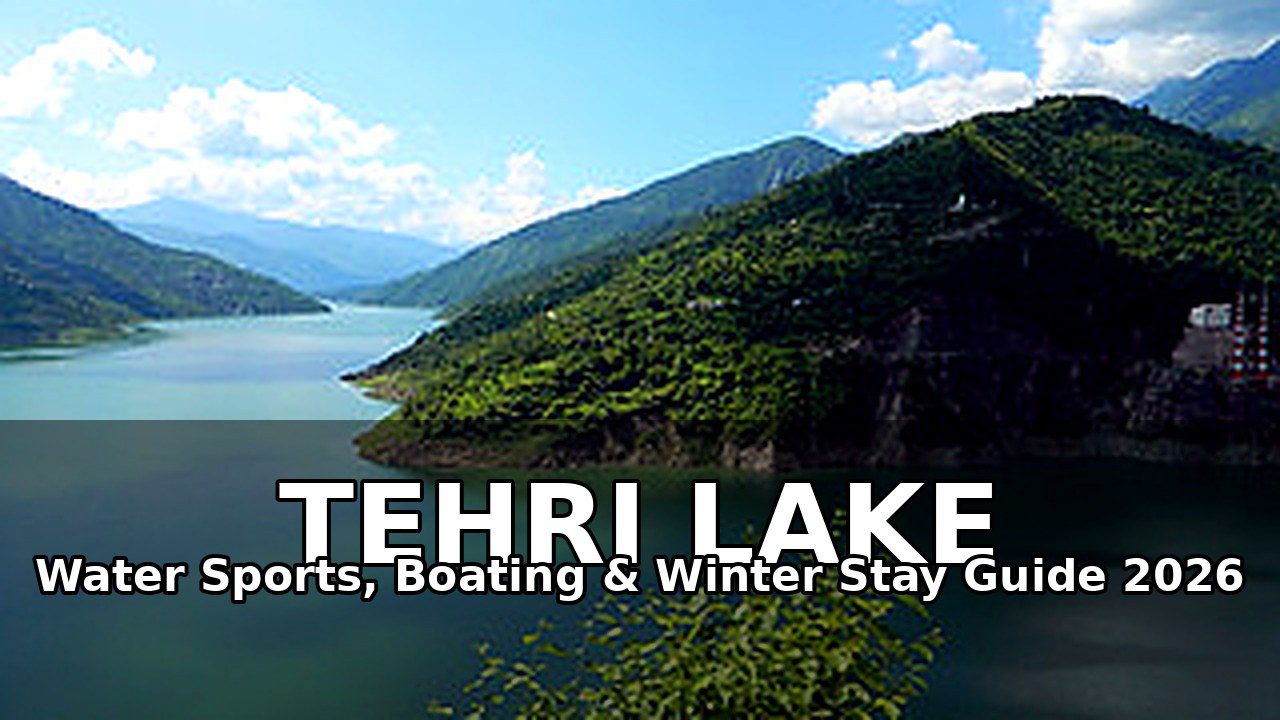
There is a lake in the Garhwal hills where you can ride a jet ski in the morning, watch the sun set behind snow peaks from a floating hut in the evening, and stand on India’s tallest dam in between. That is Tehri Lake — a vast, emerald reservoir held back by the Tehri Dam on the Bhagirathi River, and one of the most surprising destinations in Uttarakhand.
Most travellers know Uttarakhand for its temples and treks. Tehri Lake offers something different: water. In a state defined by mountains, this is where you come to play on a lake — speed boats, kayaking, banana rides, parasailing — with the Himalayas as your backdrop. And in winter, when the crowds thin out and the air turns crystal clear, the lake takes on a quiet, moody beauty that summer visitors never see.
This guide covers everything you need to plan a Tehri Lake trip: the dam, the water sports, the best time to visit, how to reach, where to stay, and what to see nearby.
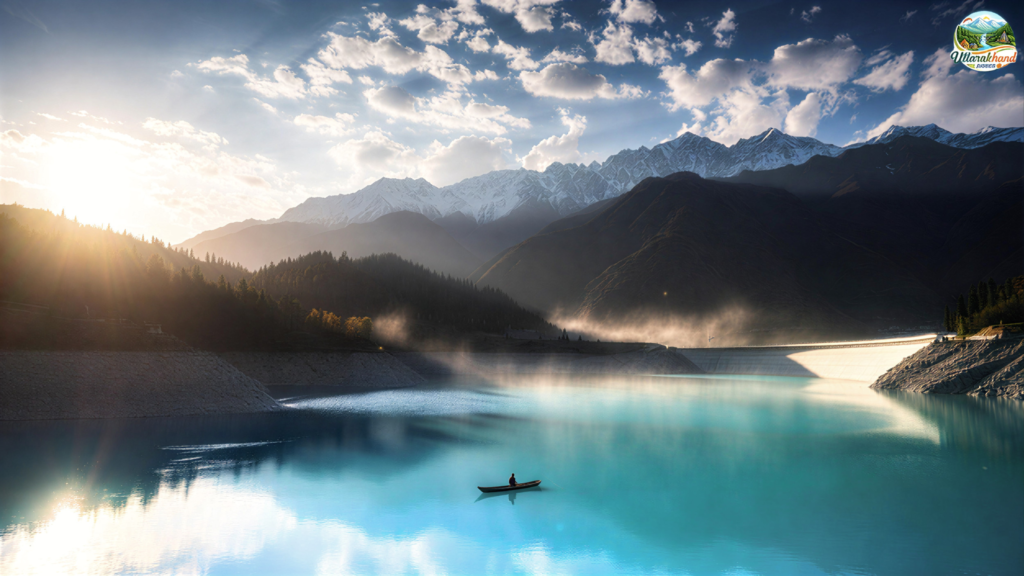
Tehri Lake at a Glance
- Where: Tehri Garhwal district, Uttarakhand — near the town of New Tehri
- What it is: A reservoir formed by the Tehri Dam on the Bhagirathi River
- Lake elevation: Roughly 1,700 metres above sea level
- Water sports base: Koti Colony, a short drive below New Tehri
- Best for water sports: March to June and September to November
- Best for quiet winter scenery: December to February (with limited water activities)
- Nearest railhead: Rishikesh, about 80 km away
- Nearest airport: Jolly Grant Airport, Dehradun, about 100 km away
- Famous for: Tehri Dam (India’s tallest), floating huts, Dobra Chanti Bridge, water sports
Why Visit Tehri Lake?
A lake in the mountains — and what a lake it is
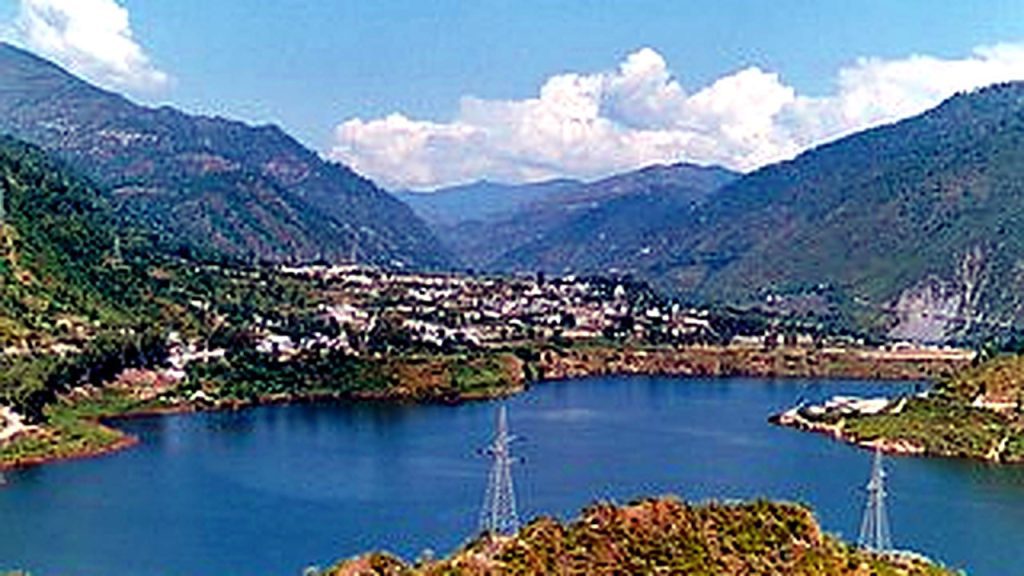
Tehri Lake is not a natural lake. It is the reservoir of the Tehri Dam, one of the great engineering projects of modern India. The dam itself is 260.5 metres (855 feet) high — the tallest dam in India and among the tallest in the world — a rock and earth-fill embankment that holds back the Bhagirathi River. When the reservoir filled, it spread across roughly 42 to 52 square kilometres of valley, depending on the water level, swallowing the old town of Tehri entirely. The planned town of New Tehri was built on the ridge above to resettle the people who had to move.
That history gives the place a strange, moving quality. Beneath the calm blue water lie the streets and homes of old Tehri. Above it, a brand-new town looks out over one of the largest reservoirs in the country. It is a landscape shaped by human ambition, and it is beautiful in a way that catches first-time visitors off guard.
The dam viewpoint
You cannot walk across the dam wall itself, but the viewpoints around New Tehri and the dam give you the full scale of it. Stand at the viewpoint and the numbers become real: a wall more than 260 metres high, a lake stretching away between forested ridges, and on a clear day, snow peaks on the horizon. Come early
In the morning, when the water is at its calmest and the light is soft — it is the best time for photographs, and the lake is at its bluest.
The “Mini Maldives” of Uttarakhand
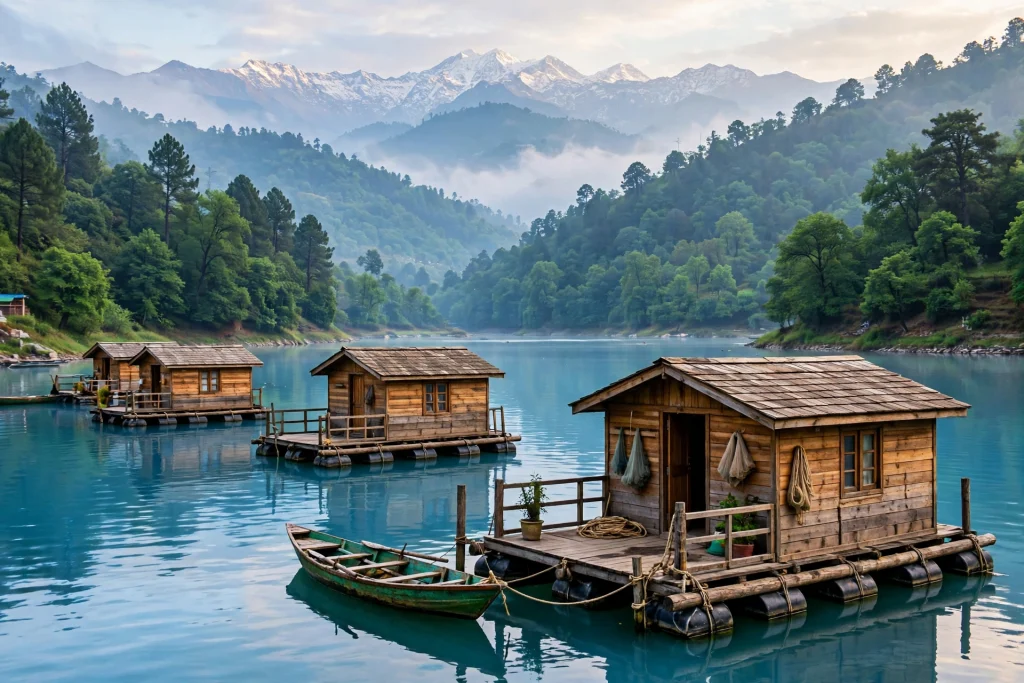
Tehri Lake has picked up an affectionate nickname in recent years: the “Mini Maldives” of Uttarakhand. The reason is the row of wooden floating huts that bob on the turquoise water — overwater stays, reached only by boat, with lake-facing balconies and mountain views in every direction. It is a bold comparison, but the first time you watch the evening light turn the reservoir gold from a floating deck, you will understand why people make it.
Water Sports & Boating at Tehri Lake
Where it all happens: Koti Colony
Do not head for the Dobra Chanti Bridge expecting boats — it is a wonderful photo stop, but the water sports are elsewhere. The main activity base is Koti Colony, a lakeside settlement a short drive below New Tehri and only a few kilometres from the dam wall. Most of the licensed boats operate from the jetty here, under permits from the Tehri Lake development authority, and the state tourism body (GMVN) runs a water sports complex at the main jetty.
Boating generally runs through the day, roughly from morning until early evening, and mornings are the best time to go: the water is calmer, the wind is low, and the queues are shorter. By afternoon the breeze picks up and the crowds build, especially on weekends.
What you can do on the water
Speed boat rides are the classic Tehri experience — a fast run across the open reservoir with the hills rushing past. They suit almost everyone, including families and first-timers, and they are the easiest way to feel the sheer size of the lake.
Jet skiing is the headline thrill. You can ride pillion with an instructor or, where operators allow it, take the controls yourself with a guide alongside. It is fast, it is wet, and it is the ride most visitors remember.
Banana boat rides are the group favourite — an inflatable banana-shaped boat towed behind a speedboat, built for friends and families who want to laugh their way across the water. Expect to get splashed, and possibly dunked.
Kayaking and canoeing are the quiet counterpoint. Paddle out on your own in the early morning, when the lake is still and the only sound is your paddle, and Tehri Lake feels like a completely different place. Single and double kayaks are available, and stand-up paddleboarding is offered by some operators too.
Parasailing lifts you above it all — towed behind a boat, you rise over the reservoir with a bird’s-eye view of the dam, the bridge and the ridges. It runs in fair weather and is one of the most photographed activities on the lake.
Flyboarding is the newest arrival: a board powered by water jets that lifts you above the surface. It is a short, intense ride and strictly for confident swimmers.
For a slower pace, there are shikara-style rowing boats, pedal boats, sailing boats and gentle lake cruises — including daytime houseboat cruises that drift across the reservoir with lunch or tea on board. These suit older travellers, small children and anyone who would rather watch the mountains than race across them.
A word on the water level
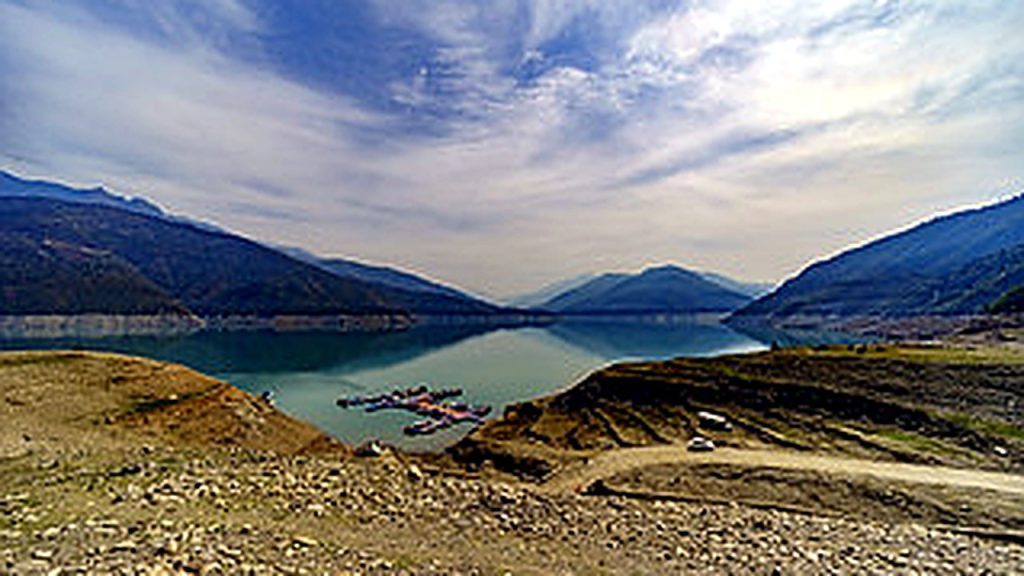
Tehri Lake is a working reservoir, and its level changes with the seasons and the dam’s operations. The lake is usually at its fullest from autumn into winter, roughly October to February, when the water comes right up to the roads and jetties and boarding a boat is easy. By late summer, the level can drop a long way, and reaching the boats can mean a walk down to the pontoons. This is normal, and the floating jetties at Koti Colony adjust to it — but it is worth knowing before you go, especially if anyone in your group has trouble walking on steep paths.
Best Time to Visit Tehri Lake
March to June — the prime season
This is the best window for a first visit. The days are warm and pleasant, the skies are generally clear, and the full menu of water sports is running. It is also the busiest time, so weekends and holidays get crowded — arrive early at Koti Colony to beat the queues.
September to November — the sweet spot
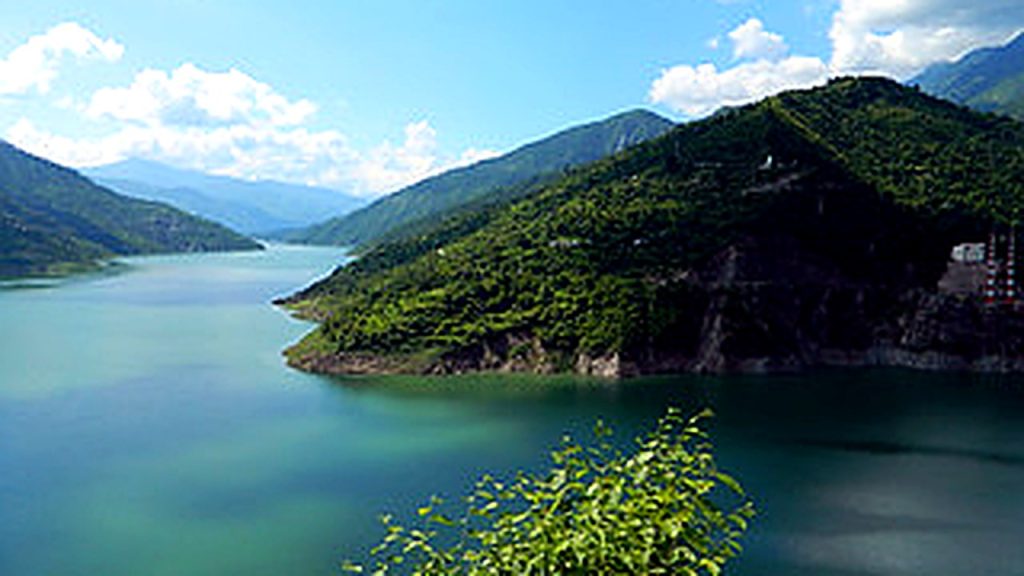
Ask regulars and many will name these months as the best time of all. The monsoon has washed the air clean, the lake is full and at its bluest, the hills are at their greenest, and the crowds are thinner than in summer. Most water activities are still running, and the light for photography is superb. If your dates are flexible, this is the window to pick.
December to February — winter at the lake
Winter is when Tehri Lake changes character. The crowds vanish, the air turns sharp and clear, and on the clearest days the snow ranges stand out in extraordinary detail. It is a wonderful time for a quiet lakeside break, slow mornings, and photography.
But come with the right expectations. Winter is cold, especially in the mornings and evenings, and the higher ridges around the lake can see snow. Most water activities shut down or run only in a limited way in the coldest weeks — high-energy rides like jet skiing and parasailing are weather-dependent and may not operate at all. The floating huts generally operate through the winter months, but it is always worth confirming before you book, as operations depend on the weather. If your heart is set on water sports, pick autumn or summer instead; if you want stillness, winter is yours.
July to August — monsoon, best avoided
The monsoon brings lush green hills and dramatic mist, but heavy rain can interrupt water sports and raise the risk of landslides on the hill roads. If you do travel in these months, keep your plans flexible and check road and activity status before you set out.
How to Reach Tehri Lake
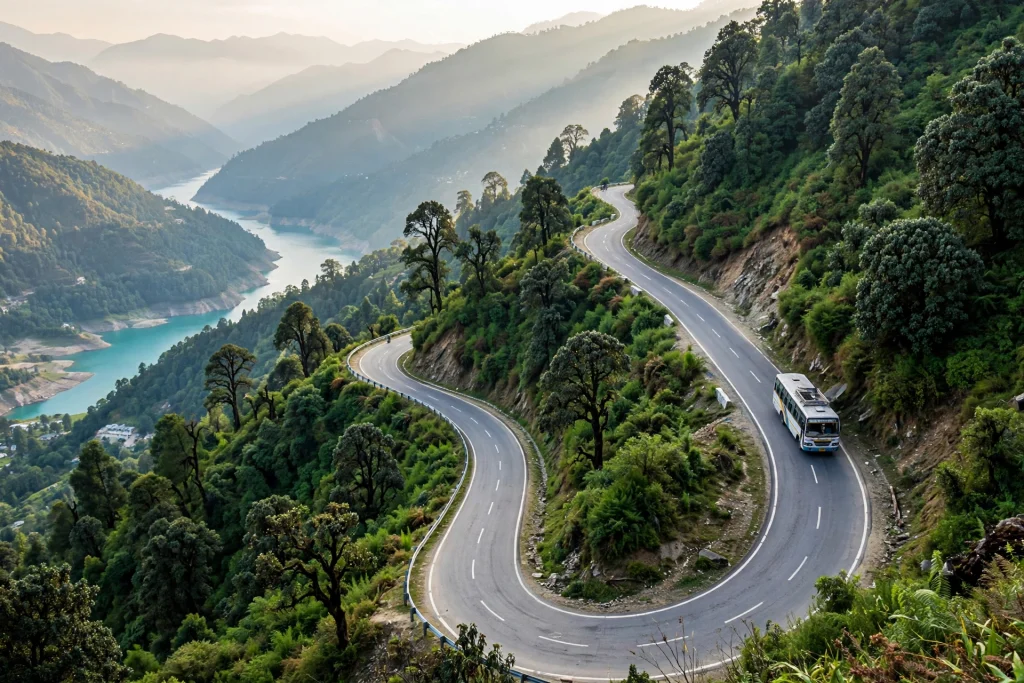
Tehri Lake is reached by road. There is no railway station or airport at the lake itself, so every route ends with a hill drive — and a scenic one.
By road
- From Rishikesh: About 80 km, roughly 2.5 to 3 hours, via Narendra Nagar and Chamba on the main highway. This is the most common approach, and regular buses and shared taxis run from Rishikesh to New Tehri.
- From Dehradun: About 100 km, roughly 3 to 3.5 hours, either via Rishikesh and Chamba or via the scenic Mussoorie–Dhanaulti–Chamba road.
- From Haridwar: About 100 to 120 km, roughly 3 to 4 hours, via Rishikesh and Chamba.
- From Mussoorie: About 75 km, roughly 2 to 3 hours, via Dhanaulti and Chamba — one of the prettiest drives in the region.
- From Delhi: About 300 km, roughly 7 to 9 hours, via Haridwar, Rishikesh and Chamba. It is a long day’s drive, so many travellers break the journey overnight in Rishikesh or Haridwar.
State transport buses run daily from Dehradun, Haridwar and Rishikesh to New Tehri, and shared jeeps and taxis are available on the same routes. Hiring a private taxi gives you the most flexibility, especially if you plan to combine the lake with Dhanaulti, Kanatal or Surkanda Devi in a single trip.
By train
The nearest railway station is Rishikesh, about 80 km away, with Haridwar (about 100 km) as the other main railhead. From either station, take a bus or taxi to New Tehri.
By air
The nearest airport is Jolly Grant Airport, Dehradun, about 100 km away, with flights from Delhi and other major cities. Taxis are available at the airport for the onward drive to Tehri.
Where to Stay and Eat
Floating huts on the lake
The signature stay at Tehri Lake is the Le ROI Floating Huts & Eco Rooms — wooden huts and villas floating on the reservoir, reached by a boat ride from the shore. Each hut has a lake-facing balcony, and the experience is exactly what it sounds like: waking up on the water, with mountains on every side. Because the huts are reached only by boat, transfers take a little planning, and it is wise to book well ahead in the busy months. The huts generally operate through most of the year, but confirm winter operations before booking, as the lake experience is weather-dependent in the coldest weeks.
Overnight stays are also offered on some of the larger houseboats that cruise the lake by day — a quieter, slower way to spend a night on the water.
Hotels, guesthouses and camps
New Tehri town, on the ridge above the lake, has hotels and guesthouses in a range of budgets, and there are lakeside camps and resorts around Koti Colony and the shore. Camps are a good option in the warmer months for travellers who want a bonfire-and-stars night by the water, though some seasonal camps close in the colder months, so check before you book. Chamba, about 20 km away, is the nearest proper market town and a useful base if you want more eating and staying options.
Eating
Food around the lake is simple and satisfying. The dhabas near the Koti Colony boat point serve basic vegetarian Garhwali plates, parathas, Maggi and chai — exactly what you want after a morning on the water. New Tehri and Chamba have more choice, including restaurants serving north Indian food. Carry some snacks and water for the day, as options thin out once you are down at the jetty.
What to Pack & Safety
Packing for Tehri Lake
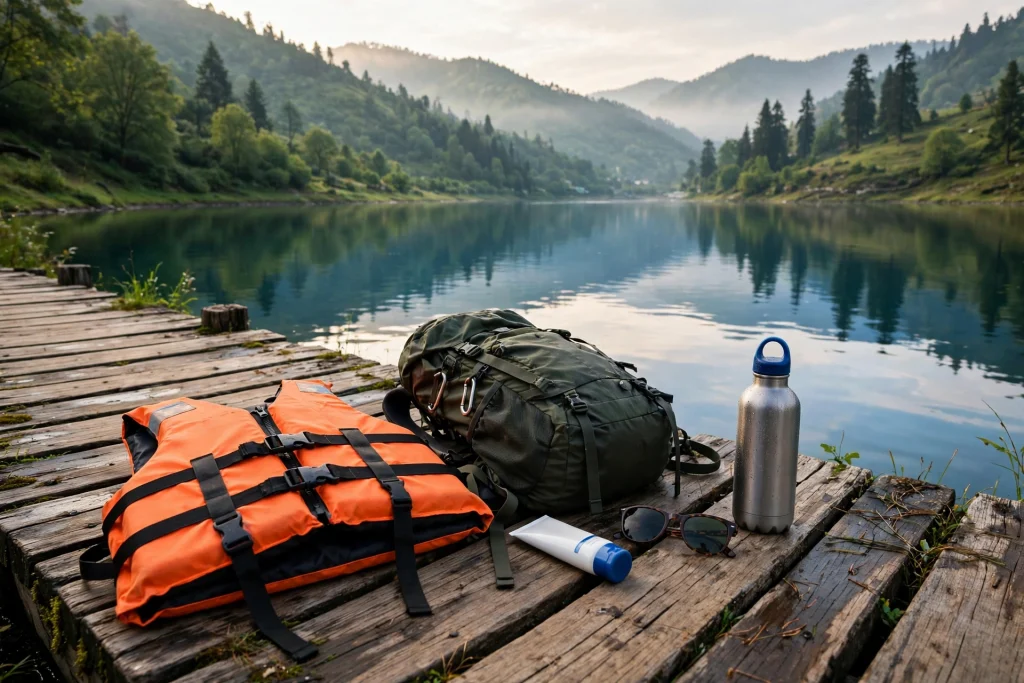
- Warm layers, even in summer: Mornings and evenings at the lake are cool, and the wind off the water adds a chill. In winter, pack proper winter clothing — heavy jackets, woollens, gloves and a cap.
- Sun protection: The sun at this altitude is strong, especially on the water. Sunscreen, sunglasses and a cap are essential.
- Comfortable shoes: The walk from the road to the jetty can be steep, particularly when the water level is low. Wear shoes with good grip.
- A change of clothes: Jet skiing, banana rides and flyboarding will soak you. A dry set and a towel are worth their weight.
- Water and snacks: Keep both handy, especially if you are travelling with children.
Safety on the water
Tehri Lake is a deep, cold Himalayan reservoir, and it deserves respect. A few rules keep the fun safe:
- Always wear the life jacket provided — for every activity, no exceptions, even if you are a strong swimmer.
- Listen to the operator’s safety briefing before every ride, and follow the crew’s instructions on the boat.
- Book with licensed operators at Koti Colony, where rides run under the local authority’s permits. Avoid touts who approach you on the road.
- Do not swim in the lake outside organised activities. Swimming in unrestricted areas is not recommended — the water is deep, cold and the level can change.
- Check conditions before you go. Water sports are weather-dependent: wind, rain and water levels can pause or cancel activities at short notice, especially in the monsoon and the coldest winter weeks.
- Keep children close at the jetty and on pontoons, and choose gentler rides for younger children and older travellers.
Nearby Places to Visit
Tehri Lake sits at the centre of a cluster of easy day trips. If you have two or three days, pair the lake with these:
Dobra Chanti Bridge
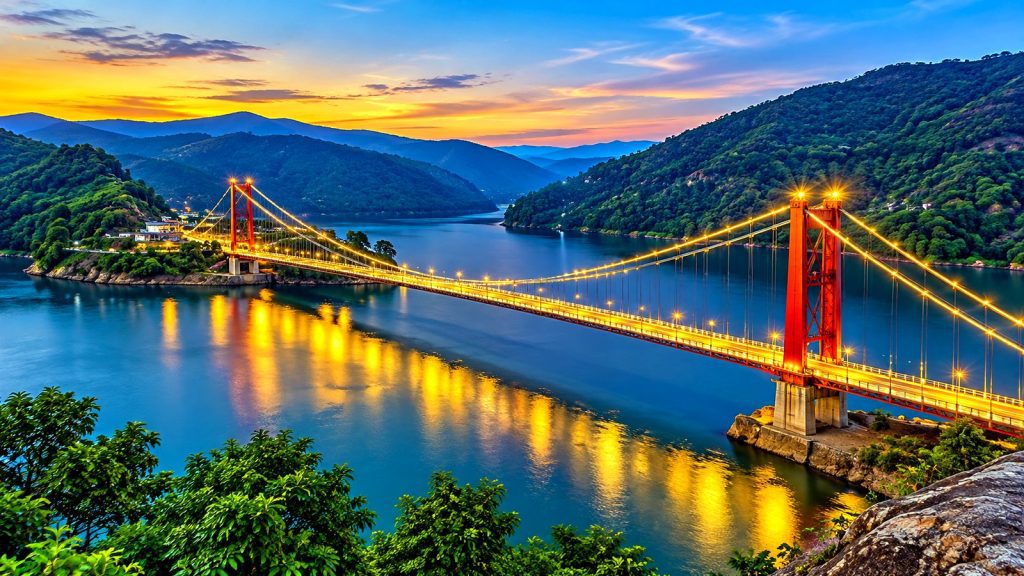
About 15 km from Koti Colony, the Dobra Chanti Bridge is one of the most photographed sights in the region. Stretching about 725 metres across an arm of the reservoir, it is widely described as India’s longest motorable single-lane suspension bridge. Opened in November 2020, it cut the journey between Tehri and Pratapnagar from around five hours to about an hour and a half. It is a working road bridge, not just a viewpoint — drive across it slowly, stop at the ends for photographs, and come back at dusk if you can, when the decorative lights come on.
Chamba
About 20 km from the lake, Chamba is the bustling market town of the region and the junction where the roads from Rishikesh, Mussoorie and New Tehri meet. It is a practical stop for supplies and food, and a good base if you prefer town comforts to lakeside camps.
Surkanda Devi Temple
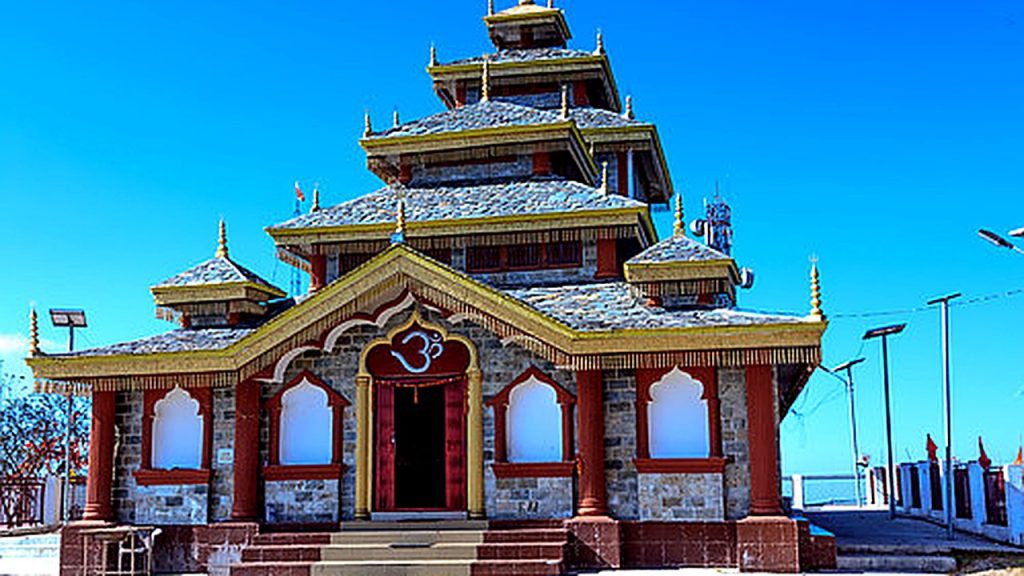
One of the most rewarding half-day trips from Tehri Lake, the Surkanda Devi Temple sits on a hilltop at around 2,750 metres near Kaddukhal village, roughly 30 km or so from the lake by road. It is a revered Shakti Peeth — the place where the head of Goddess Sati is believed to have fallen — and the reward is a sweeping 360-degree view of the Garhwal Himalayas and the Doon Valley. You can climb the roughly 2.5 km paved trail from Kaddukhal, or take the ropeway that covers the ascent in minutes.
Dhanaulti
A quiet deodar-forest hill station on the Mussoorie–Chamba road, Dhanaulti is the place to go when you want to do nothing at all. Its two fenced eco-parks, Amber and Dhara, are gentle walks through tall deodars — an easy, shaded outing that suits families and older travellers. It pairs naturally with Surkanda Devi in a single day.
Kanatal
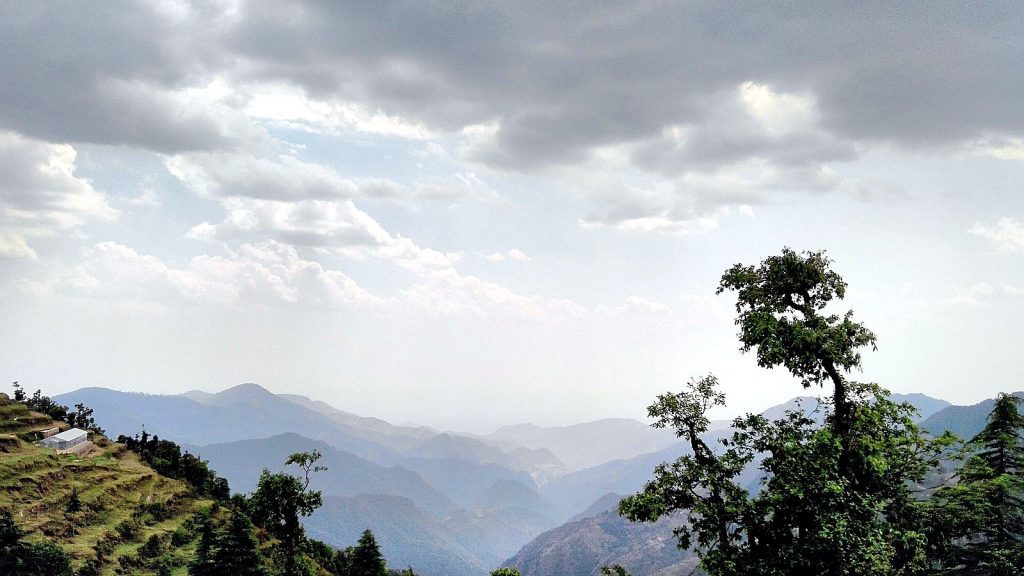
Further along the same ridge road, Kanatal is a small, sleepy hamlet at about 2,590 metres, wrapped in deodar and oak forest, with camps, apple orchards and long Himalayan views. It is about 30 to 40 km from Tehri Lake, and it makes a peaceful overnight stop if you want to stretch the trip — especially in winter, when the ridge can see snow.
FAQs About Tehri Lake
- What is Tehri Lake famous for?
Tehri Lake is famous for the Tehri Dam — at 260.5 metres, the tallest dam in India — and for the water sports on its reservoir: jet skiing, speed boating, kayaking, banana rides and parasailing. The floating huts and the Dobra Chanti Bridge are the other two big draws. - Which water sports can I do at Tehri Lake?
Speed boat rides, jet skiing, banana boat rides, kayaking, canoeing, stand-up paddleboarding, parasailing, flyboarding, pedal boats and gentle lake cruises all run from Koti Colony, the main activity base. Availability depends on the season, weather and water level, so confirm on the day. - Is Tehri Lake good to visit in winter?
Yes, for scenery and quiet — winter brings clear skies, thin crowds and superb mountain views. But most high-energy water activities shut down or run only in a limited way in the coldest weeks, so do not plan a winter trip around jet skiing or parasailing. November, just before the deep cold sets in, is a good compromise: the lake is full, the air is clear, and activities are usually still running. - How many days are enough for Tehri Lake?
Two days is ideal: one full day for the dam viewpoint, the bridge and water sports, and a second day for Surkanda Devi or Dhanaulti. With three days, add Kanatal and a slow morning on the lake. A day trip from Rishikesh is possible, but the drive each way eats into your time on the water. - Can I stay on the lake itself?
Yes. The floating huts on the reservoir are the signature stay, reached by boat from the shore, and some houseboats offer overnight stays too. Book ahead in the busy months, and confirm winter operations before booking in December to February. - Is Tehri Lake safe for families with children?
Yes, with sensible choices. Gentle boat cruises, pedal boats and shikara-style rides suit all ages, and life jackets are provided for every activity. Keep children close at the jetty, skip the high-speed rides for younger children, and avoid swimming outside organised activities.
The Last Word
Tehri Lake is Uttarakhand at its most unexpected. A state of temples and treks turns out to hold a vast blue reservoir where you can skim across the water on a jet ski in the morning and sleep on the lake itself at night, all beneath the same Himalayan sky.
Come in autumn for the bluest water and the clearest views, in summer for the full water-sports menu, or in winter for the quiet — just come with the right expectations for the season, and let the lake set the pace. However you plan it, give Tehri Lake two days, not one. The first day is for the dam, the boats and the bridge. The second is for slowing down — and that is when the lake really works its magic.
Planning a wider Uttarakhand trip? Read our complete Char Dham Yatra guide, our places to visit in Uttarakhand in December, and our best winter treks in Uttarakhand if the mountains call you further.
